
Personal Info
Known For
Gender
Birthday
Place of Birth
Tokuko Watanabe
Known for

Utamaro's World
Utamaro was an artist who lived in Edo (which was later to become modern-day Tokyo) in the late 18th century. This film, which has a complex and wide-ranging storyline, recreates the world of that time, as it appeared in Utamaro's paintings.

Computer Wars ISAMI
In a controlled near-future society, Flying Popcorn gang leader Kikuo's group is forced into retirement after losing their team badge. Sub-leader Isami retaliates by infiltrating rival Salty Jets headquarters, stealing a hidden cassette tape that exposes the Jets leaders' secret betrayal with a criminal organization, and now returns to rescue captured friends.

The Watcher in the Attic
When a tenant from a shabby 1920s boarding house secretly witnesses the landlady perform a truly heinous act, he is overcome with desire for her and begins plotting to kill a fellow tenant to demonstrate his love.
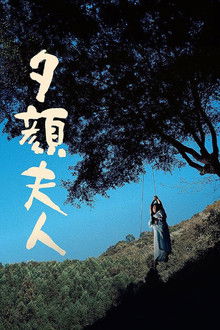
Lady Moonflower
Kizaki kidnaps Yuriko and engages in a rape and torture session with her, which he photographs. With the photos, he blackmails flower arrangement teacher Yumeji, Yuriko's older sister. Rather than allow him to shame her clan by sending the photos to the media, Yumeji goes to Kizaki. Kizaki then proceeds to rape and torture Yumeji, who was his true desire all along.

The General and His Empire of Joy
Zenjiro (Masaru Shiga) is a lowlife criminal, roaming the country with his merry band of crooks, gamblers and rapists. When he gets done with his latest escapade of banging a samurai's wife, he finds that his love Okoyo (Eiko Matsuda), has managed to be recruited as one of Shogun Tokugawa Ietsuna's (Kantaro Suga) concubines. While attempting to win her back, Zenjiro becomes involved in increasingly murderous palace intrigues.

Angel Guts: High School Co-Ed
A three-member motorcycle gang spends its time raping women until one member’s sister gets involved.

Anne's Lullaby
A single woman has a series of messy relationships while feeling that her maternal clock is running out.
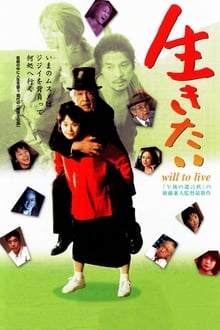
Will to Live
It is based on the story of The Ballad of Narayama updated to the present day, with the substitution of putting a parent into an old people's home for the abandonment of the original. The film won the Golden St. George and the FIPRESCI Prize at the 21st Moscow International Film Festival.

Noble Lady Bound Vase
A cruel and sadistic landowner buys the daughter of a fallen samurai family to be his wife and subjects her to escalating sexual torture, especially after discovering that she has been harboring a secret passion.

Female Convict 101: Suck
A troubled ex-prostitute turned barkeep is enchanted by the love of a younger man named Kenichi. After trusting a violent junkie to help with her young lover’s singing career, she is sent to prison for murder. Now known only as Prisoner 101, she spends her days in the dirty prison system full of violent guards and sexually-aggressive inmates.
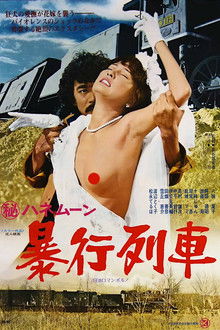
Secret Honeymoon: Assault Train
After a bungled robbery attempt, two thugs kidnap a bride on her wedding day.

Dan-no-ura Night
Taken out of the pages of history itself, this is the story of the sizzling love between Kenreimon-in of the Taira Clan and Yoshitsuné of the Minamoto Clan. When the Taira Clan had met ignominious defeat at the hands of Yoshitsuné, Kenreimon-in had jumped into the sea with her son, the infant Emperor, but only she had been rescued by Yoshitsuné. A rough-hewn warrior, Yoshitsuné had taken her by force until he awakened an answering love in the Empress with his chamber techniques.
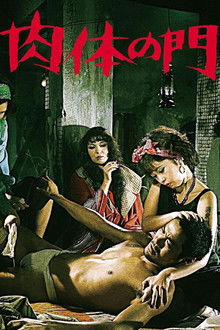
Gate of Flesh
The background is Yuraku-cho in Tokyo and the film shows how desperately the women, who had led sheltered lives before the war, struggled to keep alive and the innate strength of post-war women.

Rape Hunter: Target Woman
Fuyuko, a married woman filled with grief after a miscarriage, has an affair with a younger man and finds herself involved in a robbery plot. For Fuyuko, who is at an impasse, there is no longer "family", "love" and "freedom".
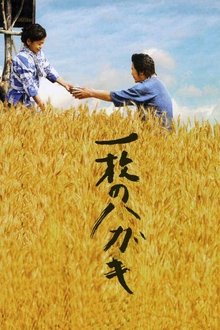
Postcard
Toward the end of World War II, middle-aged soldier Keita is entrusted with a postcard from a comrade who is sure he will die in battle. After the war ends, Keita visits his comrade's wife Yuko and bears witness to the tragic life she has led.