Personal Info
Known For
Gender
Birthday
Place of Birth
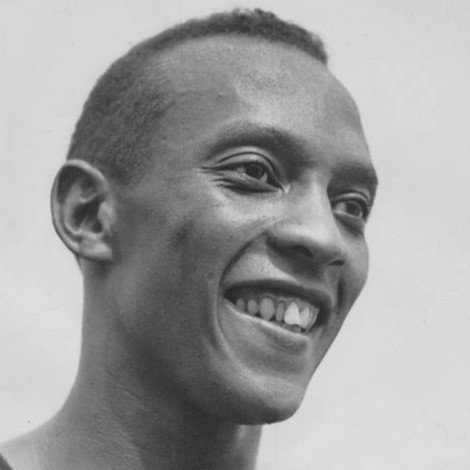
Jesse Owens
Biography
Known for

The Mike Douglas Show
The Mike Douglas Show is an American daytime television talk show hosted by Mike Douglas that originally aired only in the Cleveland area during much of its first two years on the air. It then went into syndication in 1963 and remained on television until 1982. It was distributed by Westinghouse Broadcasting and for much of its run, originated from studios of two of the company's TV stations in Cleveland and Philadelphia.

What's My Line?
Four panelists must determine guests' occupations - and, in the case of famous guests, while blindfolded, their identity - by asking only "yes" or "no" questions.

American Experience
TV's most-watched history series brings to life the compelling stories from our past that inform our understanding of the world today.

The Ed Sullivan Show
The Ed Sullivan Show is an American TV variety show that originally ran on CBS from Sunday June 20, 1948 to Sunday June 6, 1971, and was hosted by New York entertainment columnist Ed Sullivan. It was replaced in September 1971 by the CBS Sunday Night Movie, which ran only one season and was eventually replaced by other shows. In 2002, The Ed Sullivan Show was ranked #15 on TV Guide's 50 Greatest TV Shows of All Time.

Explained
This enlightening series from Vox digs into a wide range of topics such as the rise of cryptocurrency, why diets fail, and the wild world of K-pop.

The Olympic Series: Golden Moments 1920 - 2002
A celebration of the finest moments from the world's largest and most historic sporting event, released to coincide with the return of the Olympic Games to their Greek roots as Athens became the venue of the 28th modern Olympics in August 2004. Contrasting bygone heroes with modern-day sports stars, the film offers an insight into the event's past, present and future, and features footage of all its most defining moments, from black US athlete Jesse Owens' defiance of both the odds and the prevailing political regime when he won four gold medals in Berlin in 1936 under the watchful eye of Adolf Hitler, to Carl Lewis's repeat of Owens' incredible quadruple win in Los Angeles in 1984.

The U.S. and the Holocaust
Americans consider themselves a 'nation of immigrants', but as the catastrophe of the Holocaust unfolds in Europe, the U.S. prove unwilling to open its doors to more than a fraction of the hundreds of thousands of desperate refuge seekers. Through riveting firsthand testimony of witnesses and survivors who as children endured persecution, violence and flight as their families tried to escape Hitler, this three-part documentary series delves deeply into the tragic human consequences of public indifference, bureaucratic red tape and restrictive quota laws in America. Did the nation fail to live up to its ideals? This is a history to be reckoned with.

Ace of Aces
In this action comedy the French boxer Jo Cavalier is charmed on the train to Berlin for the Olympics in Hitler's Germany by the little boy Simon Rosenblum who asks his autograph; when it turns out his adorable young fan is a Jewish orphan in danger of persecution, he risks his one shot at Olympic glory to save Simon and his family, helped only by a German officer-gentleman who became his friend in World War I, by an adventurous escape to Switzerland, Nazi troops on their heals and braving impossible odds in roller coaster-style.

Olympia Part One: Festival of the Nations
Starting with a long and lyrical overture, evoking the origins of the Olympic Games in ancient Greece, Riefenstahl covers twenty-one athletic events in the first half of this two-part love letter to the human body and spirit, culminating with the marathon, where Jesse Owens became the first track and field athlete to win four gold medals in a single Olympics.

Easy to Get
U.S. Army training film about avoiding venereal disease, intended primarily for Black servicemen.

Buffa racconta Jesse Owens

Brother, Can You Spare a Dime?
Period music, film clips and newsreel footage combined into a visual exploration of the American entertainment industry during the Great Depression.

Olympic Cavalcade
Documentary footage recaptures the excitement of the 1948 London Olympics, the first games since 1936.

The Negro Soldier
Documentary focusing on the contributions to the American war effort of African-American soldiers.

Swastika
Comprised of footage shot during the Nazi regime, including propaganda, newsreels, broadcasts and even some of Eva Braun's colorized personal home movies, we explore the way in which the Third Reich infiltrated the lives of the German population, from 1933 to 1945.