Personal Info
Known For
Gender
Birthday
Place of Birth
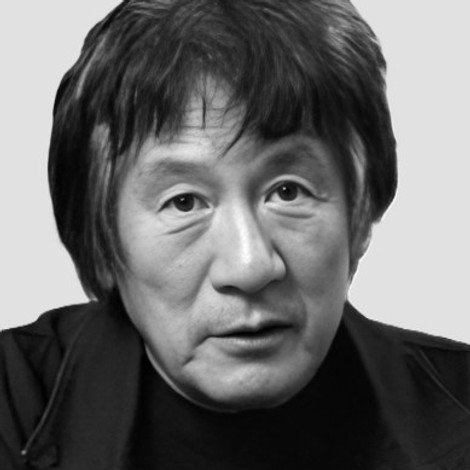
Jiro Kawarazaki
Known for

Furuya Ikkou's Great Detective Kindaichi Kousuke Series

Pro Hunter

M. Connection 2: The Final Shooting
Mirage, the female master thief. Her latest target is the ‘Crystal Lady’, a diamond worth an astronomical sum. Mondo is once again determined to arrest Mirage. However, a woman involved in the case is murdered, and Mondo’s partner Steve, who was guarding the diamond, is also struck down by a fatal bullet. Is Mirage the culprit…?

Aoki Ookami Narukichiomoase no Shougai
Tv special that follows the life of Genghis Khan. Adapted from a novel by Yasushi Inoue.

Port Arthur
Depicts the bloody siege of the fortress of Port Arthur, one of the most strongly fortified positions in the world, during the Russo-Japanese War of (1904 - 1905). In the story dominated the character Lt Takeshi Kogyo (Teruhiko Aoi), teachers, and a reserve officer who became commander of the platoon and later company. At the same time monitors the conduct of the army commander general Nogi (Tatsuya Nakadai), which was commissioned of the emperor Matsuhito (Toshirô Mifune) to the conquest of the fort.

Gassan
Akira leaves for the Mt. Gassan foothills before winter's onset, visiting the local temple and interacting with the residents all while falling for fair Fumiko.

Suspicion
A car going at 25 mph plunges into the sea at Shinko Harbour, Toyama prefecture. Inside is the local business magnate Fukutaro Shirakawa, who perishes. Riding alongside him and surviving unhurt is his second wife, Kumako. It soon comes to light that Kumako’s husband was insured for 300 million yen and she is arrested on suspicion of murdering her husband for the insurance money. The newspapers denounce her as an evil woman, while the public is in no doubt about Kumako’s crime. Ritsuko Sahara is chosen as her defence attorney but the pair clash over almost everything...

13 Assassins
Gathering a band of 13, Inspector General Shmada Shinzaemon sets out on a death-defying journey to cut down the shogun’s half-brother, Matsudaira Naritsugu.

You're My Destiny
Naomi, a corporate heiress from Japan, vacations to Hong Kong with her two colleagues. Bored, she sneaks out to visit the city and befriends a local rock band and, appreciative of the company, later helps the members with their debit issues. Meanwhile, Naomi's colleagues received news that the big boss of their company succumbed to a heart attack and that Naomi must sign a document to prevent the company from being turned over to a corrupt executive. The colleagues try to locate Naomi, just as a relationship develops between her and the band leader.
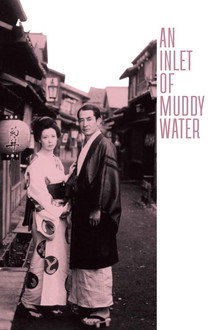
An Inlet of Muddy Water
A Japanese woman writes down three stories she has witnessed or heard of in her diary, each about the difficult situation a young woman finds herself in.

Leave My Girl Alone
Hitomi, a former orphan who is trying to leave behind her delinquent ways, one day agrees to tutor a wealthy young boy who has just become an orphan himself…

The Strange Tale of Oyuki
A story of Japanese writer Kafu Nagai (1879-1959), a man about sixty with a huge reputation of seducer who falls madly in love for a young geisha named Oyuki. Meticulous and smartly dressed, Nagai patiently wrote in his diary his thoughts during many years. A melancholy reflection on the passage of time and a brilliant interpretive exercise.

Aoi kairyū

Rika 3: Juvenile's Lullaby
Reform schools are a way of protecting society by ridding it of lawless juvenile delinquents. But who's protecting the juvenile delinquents from corrupt reform schools? Rica could be considered a bit of an expert on reform schools, having spent most of her early life in and out of them. When Rica is dragged back once again, she gets a severe beating and is finally sent off to a mental hospital with the intention of selling her and her pals into a slave trade. A trader takes Rica's friend Jun to a mountain cottage where she's pegged for the lead in his clandestine porno film operation. Once again, it's up to tough-as-nails Rica to bust up this corrupt racket once and for all!

Willful Murder
The president of the Japanese National Railways is found dead during a period in which train service is plagued by numerous layoffs, strikes and shutdowns. The government says that the president was murdered; the police claim it was a suicide. A quizzical reporter follows the case for years, but the basic question remains unanswered: was the victim killed by members of the burgeoning Communist movement in Japan, or was the death stage-managed by the authorities in hopes of discrediting the Communists?