
Personal Info
Known For
Gender
Birthday
Place of Birth
Kurt Böwe
Known for

Polizeiruf 110
Polizeiruf 110 is a long-running German language detective television series. The first episode was broadcast 27 June 1971 in the German Democratic Republic, and after the dissolution of Fernsehen der DDR the series was picked up by ARD. It was originally created as a counterpart to the West German series Tatort, and quickly became a public favorite.

Zur Person
A German television format in which Günter Gaus interviewed prominent members of German society, particularly politicians. More than 200 interviews were conducted over the course of 40 years.
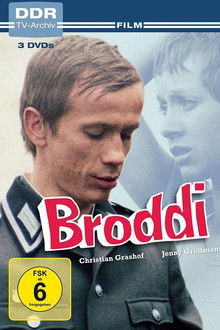
Broddi
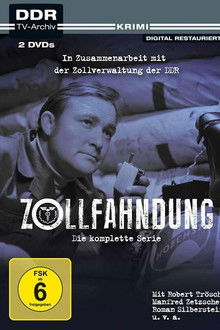
Zollfahndung

Levin's Mill
In a small village in West Prussia in the 1870s, Germans, Poles, Gypsies and Jews live together as neighbors. One night Johann, a German mill-owner, secretly opens the dam gates and floods the mill of his Jewish rival Levin. After his business is ruined and his calls for justice go unanswered, Levin leaves town.
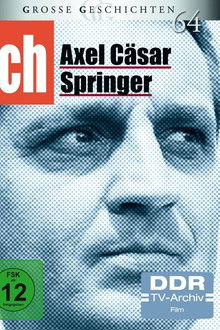
Ich-Axel Cäsar Springer
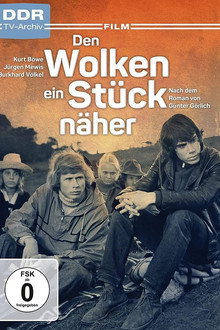
Den Wolken ein Stück näher
After his family moves from Potsdam to East Berlin, 15-year-old Klaus initially has difficulties at his new school, especially with the popular Heinz. With the help of class teacher Magnus, Klaus and Heinz settle their differences and become friends. When Magnus dies unexpectedly, his class is taken over by young Anne Morgenstern. Klaus and other classmates manage to overcome their initial dislike of the young teacher, but Heinz remains steadfast in his rejection and tries to force her replacement.
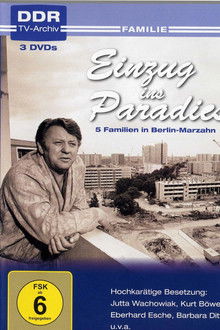
Entry to Paradise
A story about life and everyday problems of a few families from East Germany.
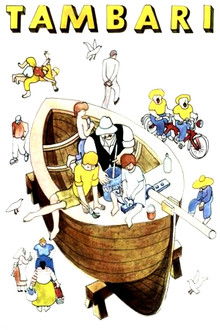
Tambari
Tambari - it's a name of an old boat which children of a small village on a Baltic sea shore got from an old fisherman Luden. But not all the village adults were ready to approve it...
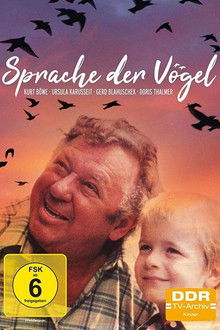
Rublak – Die Legende vom vermessenen Land
A railway line is to be laid through remote Lusatian farmland. Surveyors herald the “new era” with their work. The events also leave their mark on the people. Stylistically idiosyncratic first feature film by a director who comes from documentary film. The story is told as a parable about the relationship between humans and progress, with the actors making extremely clever use of their freedom.