Personal Info
Known For
Gender
Birthday
Place of Birth
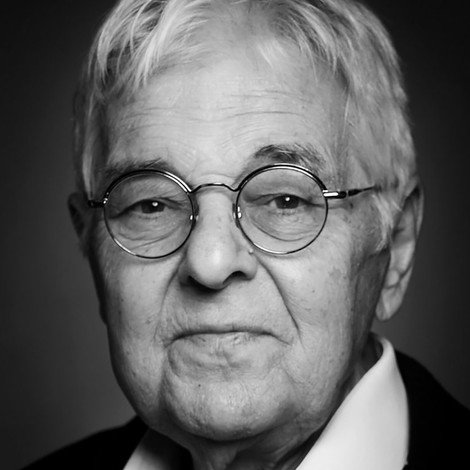
Branko Cvejić
Biography
Known for

Hot Wind
Vruć vetar is one of the most popular Yugoslav TV miniseries that aired in 1980. The show and movie cut from scenes of the show were popular in neighboring countries-also very popular in Czechoslovakia. Its main theme became very popular and enjoying a bit of a cult status. The story follows Shurda, a man in his 30s, who comes from a small town to Belgrade to get rich. However, as no job is good enough for him, he tries his luck in Germany, but this venture proves to be the same, so he returns to his native Yugoslavia.

The Written Off
"The Written Off" is a famous Serbian TV miniseries, that was very popular in former Yugoslavia, originally airing in 1974. Due to its popularity, Radio Television of Serbia has shown reruns of the series ten times, the last re-run starting in 2012. The series has achieved something of a cult status among its audience and still attracts an estimated 3 million viewers with its last rerun. Idea of series derives from exploits of freedom fighters in Belgrade during World War II, and all the characters and events are fictitious.

Truckers
The adventures of Paja and Jare, the two honest and good-natured truck drivers and partners in business. They meet various people while on the road, which mostly turns out bad for them, but at the end it's their friendship that saves the day.


The Heroes of Our Time
A well-educated family man realizes that his life is in crisis. Could the next generation do better?


Mister Dimkovic
The main character of this TV drama is a musician and prominent citizen Dimkovic who wants to stay out of the war. Only when his daughter’s life becomes threatened does he hesitate, but his actions come too late.

Underground
Black marketeers Marko and Blacky manufacture and sell weapons to the Communist resistance in WWII Belgrade, living the good life along the way. Marko's surreal duplicity propels him up the ranks of the Communist Party, and he eventually abandons Blacky and steals his girlfriend. After a lengthy stay in a below-ground shelter, the couple reemerges during the Yugoslav Civil War of the 1990s as Marko sees the opportunity to exploit the situation.

Things Like Love
A sitcom that follows intertwined lives of three couples set mostly in the building in which they live and the café owned by one of these people.

Balkan Express 2
TV series made as an extended version of an eponymous feature film. A quintet of small-time crooks that works under disguise of a musical band become the supporters of Partisan resistance movement in WW2. Being forced to escape to another part of the occupied territory, they hide in "Marlene Saloon" forgetting that the bordellos of the kind are an ideal place for espionage during the war. They get more problems than peace and rest and the tragicomedy starts.

Le Retour d'Arsène Lupin
The Return of Arsène Lupin (1989) is a French crime television series consisting of 12 episodes, each approximately 55 minutes long, broadcast on FR3 between November 1989 and January 1990. It features the famous gentleman thief created by Maurice Leblanc, played here by François Dunoyer, in a more mischievous and modern interpretation than his predecessors, which retains the hero's refinement and intelligence while immersing him in stories with international overtones, with a more contemporary tone for the late 1980s.

An Ordinary Story
The gym teacher is in love with his colleague, a music teacher. She has a fair and cordial relationship with him, but nothing more than that. A young student moves into the building where the music teacher lives.

Truckers Ride Again
New adventures of truck drivers Jare and Paja, long-time fellow associates and close friends. Jare is forced to pay off his debt for the loans he was raising to build a house for his numerous family. He must find heaps of money as soon as possible, or let tax gatherers to take everything. Paja tries to help him in this impossible task, but on their way they face bunch of obstacles, losses and misfortunes, encountering all sorts of people, only to end up in serious problems.

Husino Rebellion
This is the true story of the miners who were seeking their rights by doing the hardest job in the world. Husinska rebellion is an armed resistance miners mine Krek against the violence of the state government during the general strike of miners Bosnia and Herzegovina, from 21 to 28 December 1920, named after the mining village Husin near Tuzla.

Hide-and-Seek
The story of the fate of boys and girls who go to school on the day of the Victory of Fascism on May 9, 1945. The script is based on true events and tells the fate of the children of the victorious and vanquished in a common environment at the end of World War II in Serbia.