
Personal Info
Known For
Gender
Birthday
Place of Birth
Božidar Pavićević
Biography
Known for
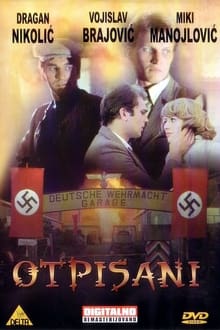
The Written Off
"The Written Off" is a famous Serbian TV miniseries, that was very popular in former Yugoslavia, originally airing in 1974. Due to its popularity, Radio Television of Serbia has shown reruns of the series ten times, the last re-run starting in 2012. The series has achieved something of a cult status among its audience and still attracts an estimated 3 million viewers with its last rerun. Idea of series derives from exploits of freedom fighters in Belgrade during World War II, and all the characters and events are fictitious.
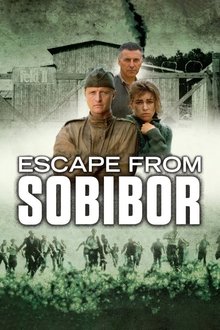
Escape from Sobibor
The true story of WWII's notorious Sobibor Nazi death camp, where a courageous inmate orchestrates and leads the escape of over 300 prisoners.
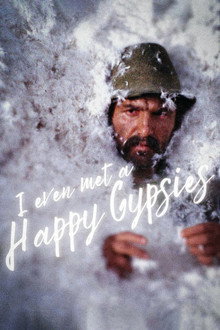
I Even Met Happy Gypsies
The protagonist, Bora, is a charming but mean-spirited gypsy, while his older wife, Lence, is submissive. Bora is in love with the younger Tisa, who is being offered in marriage by her father. The two get themselves in trouble and eventually have to flee. Tisa rejects her husband and she and Bora get married in the church, and their adventures continue.
The Swath
The plot is set in the first half of the 1980s and follows daily life problems of the Krkić family, the conflict of generations, corruption in the agricultural cooperative and personal problems of ordinary people in a small village. The series is an excellent illustration of the last years of life in socialist Yugoslavia, attempts to reform society and the abuse of individuals who use their position for personal gains.

Miss
Three gangsters smuggle a microfilm with passport data from West Germany to their buyer from Middle East, which happens to be crucial thing for the security of European Community. On their way through Yugoslavia, they try to hide the microfilm in the Miss Universum's purse who pays visit to the country at its national beauty contest. The problems arise when the microfilm accidentally finds itself in the possession of one of the competitors, unbeknown-st to her. The criminals try to get in possession of the microfilm, however a brave journalist who came because of the contest prevents them of doing so.
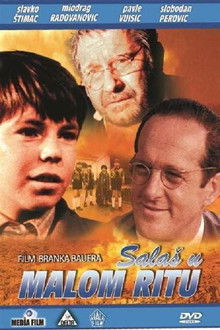
Salas u malom ritu
Adventures of a small boy with a big heart and lots of courage during the Nazi occupation of Vojvodina.

Gluttony
A TV drama “Gluttony” is part of the unfinished “Seven Deadly Sins” cycle. The main subject of this story is a dedication to one of the greatest biblical sins – gluttony itself.
The End of the Week
The employees at a printing company talk about the mutual relations of employees at the company and their family problems.
Signs
Professor of mathematics (played by Petar Kralj) confesses to the famous writer Ivo Andric (played by Tihomir Stanic). The professor’s psychological drama starts off when he picks up a package addressed to a certain lady. In her gratitude, the professor sees a discreet romantic sign.
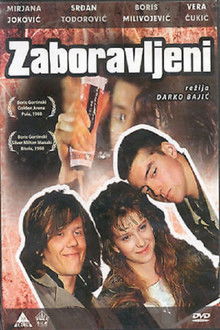
The Forgotten Ones
A story about three teenagers rejected by their parents, who leave their reform school for a wild weekend. 11 episodes in total.
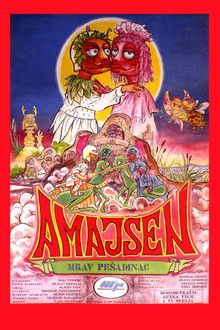
The Infantry Ant
Black ant Ameisen, the infantry ant, got mixed up in war and love turmoils. He's an experienced military slacker who does not respect strict military standards, but performs each task successfully. Red ants, headed by their clumsy general, are on the war path with black ants. Unfortunately for both sides, war happened because of a jar of moldy marmalade.
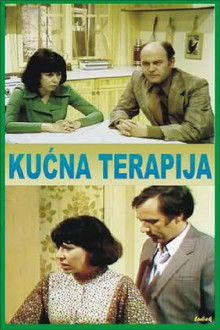
House Therapy
A 1977 Serbo-Croatian language drama film directed by Slavoljub Stefanović-Ravasi, starring Jelisaveta ‘Seka’ Sablić, Petar Kralj and Mira Dinulović.
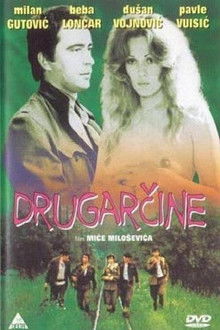
The Pals
The war is over, and a group of young Partisans returns to their town to continue their interrupted education. They are doing everything in their way, because they are young enough to go to school and to horse around, but mature enough to react to lies and injustice. Loud, ready to fight, they are a problem in school, in youth organization, in town's command. And when they get used to normal life, one of them gets killed by Chetnik renegades' ambush. The comrades wear their uniforms again, take their weapons and succeed in revenging their comrade. When they return to school again, they are determined to pass the maturity test as well...