Personal Info
Known For
Gender
Birthday
Place of Birth
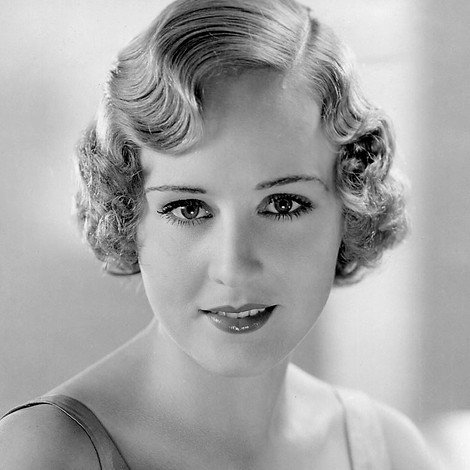
Madge Evans
Biography
Known for

Matinee Theater
Matinee Theater is an American anthology series that aired on NBC during the Golden Age of Television, from 1955 to 1958. The series, which ran daily in the afternoon, was frequently live. It was produced by Albert McCleery, Darrell Ross, George Cahan and Frank Price with executive producer George Lowther. McCleery had previously produced the live series Cameo Theatre which introduced to television the concept of theater-in-the-round, TV plays staged with minimal sets. Jim Buckley of the Pewter Plough Playhouse recalled: When Al McCleery got back to the States, he originated a most ambitious theatrical TV series for NBC called Matinee Theater: to televise five different stage plays per week live, airing around noon in order to promote color TV to the American housewife as she labored over her ironing. Al was the producer. He hired five directors and five art directors. Richard Bennett, one of our first early presidents of the Pewter Plough Corporation, was one of the directors and I was one of the art directors and, as soon as we were through televising one play, we had lunch and then met to plan next week’s show. That was over 50 years ago, and I’m trying to think; I believe the TV art director is his own set decorator —yes, of course! It had to be, since one of McCleery’s chief claims to favor with the producers was his elimination of the setting per se and simply decorating the scene with a minimum of props. It took a bit of ingenuity.

The Philco Television Playhouse
The Philco Television Playhouse is an American anthology series that was broadcast live on NBC from 1948 to 1955. Produced by Fred Coe, the series was sponsored by Philco. It was one of the most respected dramatic shows of the Golden Age of Television, winning a 1954 Peabody Award and receiving eight Emmy nominations between 1951 and 1956.

Studio One
An American radio–television anthology series, created in 1947 by Canadian director Fletcher Markle, who came to CBS from the CBC. Studio One, presented by Westinghouse, was one of the first of the anthology TV programs. The episodes were often abridged remakes of movies from years gone by and many future well-known television and movie actors appeared in the productions.

Your Show of Shows
Your Show of Shows was a live 90-minute variety show that was broadcast weekly in the United States on NBC, from February 25, 1950, until June 5, 1954, featuring Sid Caesar and Imogene Coca. Other featured performers were Carl Reiner, Howard Morris, Bill Hayes, Judy Johnson, The Hamilton Trio and the soprano Marguerite Piazza. José Ferrer made several guest appearances on the series. The series was telecast from the now-demolished International Theatre at 5 Columbus Circle and the Century Theater, now demolished, in New York. During 2002, Your Show of Shows was ranked #30 on TV Guide's 50 Greatest TV Shows of All Time.

Lux Video Theatre
Lux Video Theatre is an American anthology series that was produced from 1950 until 1959. The series presented both comedy and drama in original teleplays, as well as abridged adaptations of films and plays.

The Alcoa Hour
The Alcoa Hour is an American anthology television series that was aired live on NBC from 1955 to 1957. The series was sponsored by Alcoa.

Hallmark Hall of Fame
Long-running anthology program sponsored by Hallmark Cards. Beginning in 1951 and continuing into 2019, the series received 80 Emmy Awards, 24 Christopher Awards, 11 Peabody Awards, 9 Golden Globes, and 4 Humanitas Prizes. Early seasons were a weekly live drama, eventually transitioning to videotaped and then filmed productions broadcast as occasional specials.

Home Wanted
Every night, Madge Dow of the Middleport Orphanage, imagines herself in the lighted room in the house across the way, being tucked into bed by a beautiful mother. After Madge and her friend Spotty escape to visit settlement worker Letty Thompson, and Letty encourages them to investigate the house, they find a grumpy, gout-ridden old Major there, still irritated over his daughter's marriage years ago without his consent.

Stand Up and Cheer!
President Franklin Roosevelt appoints a theatrical producer as the new Secretary of Amusement in order to cheer up an American public still suffering through the Depression. The new secretary soon runs afoul of political lobbyists out to destroy his department.

Army Girl
A young captain hoping to replace the U.S. Army's horses with mechanized vehicles faces court-martial after his commanding officer, who's opposed to modern changes, is killed.

Fugitive Lovers
In a hopeful effort to evade gangster Legs Caffey, chorus girl Letty Morris hops a bus in New York bound for Los Angeles--with Legs close on her heels. Along the way the bus picks up escaped convict Paul Porter, who quickly allies himself with Letty. With the police in hot pursuit and Legs monitoring his every move with Letty, Paul is running out of both time and ideas.

Hell Below
On leave in Italy, Lt. Tommy Knowlton falls in love with Jean Standish, who's not only married, but is the daughter of his submarine's commander. Friction between the two officers becomes intolerable once at sea and after Commander Toler is forced to abandon Tommy's best friend topside while the sub dives to escape enemy planes, Tommy is no longer able to contain his anger.

David Copperfield
A young man journeys from a difficult childhood to maturity, exploring social injustice, personal development, and the complexities of human relationships.