Personal Info
Known For
Gender
Birthday
Place of Birth
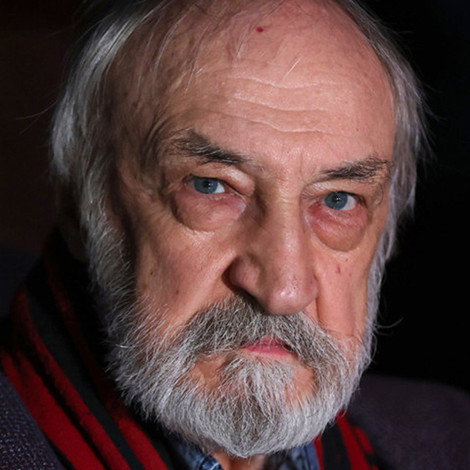
Meto Jovanovski
Biography
Known for

The Village Is Burning, and the Grandmother Is Combing Her Hair
Selo gori, a baba se češlja is a television series in Serbia. First aired in 2007, the show quickly gained national fame with episodes in its third season averaging approximately 2.9 million viewers. The show was aired on RTS1.

The Nemanjić Dynasty: The Birth of the Kingdom
Story about the most influential Serbian dynasty of the Middle Ages.
The Nemanjić Dynasty: The Birth of the Kingdom
Story about the most influential Serbian dynasty of the Middle Ages.

The Abandoned
The story of a boy from the orphanage for abandoned children who tried to find out the truth about his origins. Through the story of a boy Alen, it describes the consequences of war casualties and immense injustice that war brought most helpless, the children.

Macedonian Saga
The arrival of the young teacher Damjan in one village in western Macedonia shakes the usual daily life of its inhabitants who belong to different religions.

The Hornet
A love story between a Serbian girl and young Albanian set against the background of current Balkanic conflict.

Godfather

The Judgement
This is the story of Mityo and his son Vasko, who live in a poor area, near to the Bulgarian-Turkish-Greek Border. Mityo had lost everything that has mattered to him – his wife, his work, the confidence of his son, Vasko. In order to get him back, Mityo has to find forgiveness and pay for his sin, done 25 years ago.

Endeavor
A story about a painter, an unconventional university professor, who has to deal with being haunted by his trouble past during the 2nd World War, while at the same time trying to cope with his university colleagues plotting against him.


Kosovo: Desperate Search
The film "Kosova: Desperate Search" recounts the repercussions and effects of the Kosovar war on the Albanian population. Ethnic cleansings and other atrocities mentally and physically destroyed the people. The entwined destinies of individual persons and families from various geographic regions and social classes are the basis of a closely interconnected storyline. Families are not only looking for their missing children, but also for new hope and perspectives.

Enclave
Nenad, ten years Christian boy from a Serbian enclave, determined to create a proper community burial for his late grandfather, crosses enemy lines and makes friends among the Muslim majority in deeply divided, war-torn Kosovo.
Before the Rain
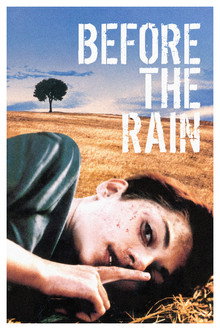
The circularity of violence seen in a story that circles on itself. In Macedonia, during the war in Bosnia, Christians hunt an ethnic Albanian girl who may have murdered one of their own. A young monk who's taken a vow of silence offers her protection. In London, a photographic editor who's pregnant needs to talk it out with her estranged husband and chooses a toney restaurant.

White, White World
In the Serbian drama "White, White World", the characters sing, but never dance. Formulated as a modern day Greek tragedy set in the decrepit eastern mining town of Bor, the movie follows a close group of alienated locals through misguided love affairs and other brash misdeeds. But the songs feature no choreography or other stylish methods of breaking the harsh, downtrodden tableaux.

A Film with No Name
The Kosovo region of Yugoslavia near the Albanian border is the scene of political unrest and a modern Romeo and Juliet romance in this satirical political drama. A film director (Meto Jovanovski) gathers information for his documentary about the Serbs being forced to depart by Albanian Moslems. As the region heads towards ethnic warfare, the young Albanian woman Nadira (Sonja Jacevska) falls in love with the Serbian Miloljub (Cedo Arobabic). He is captured and castrated, and the private lives of Milobjub and Nadira become part of the director's story in his film. He must answer to the financiers and producers who believe his film was to be a comedy. The events foreshadow a long and bloody conflict between two factions, a battle that has not abated in the ten years since this film's initial release.