
Personal Info
Known For
Gender
Birthday
Place of Birth
José Sacristán
Biography
Known for

El hormiguero
El Hormiguero is a Spanish television program with a live audience focusing on comedy, science, and politics running since September 2006. It is hosted and produced by screenwriter Pablo Motos. The show aired on Spain's Cuatro channel from launch until June 2011 and is now broadcast on Antena 3. Recurring guests on the show include Luis Piedrahita, Raquel Martos, Marron & "The Man in Black", and puppet ants Trancas and Barrancas. It has proved a ratings success, and has expanded from a weekly 120-minute show to a daily 40-minute show in its third season, which began on September 17, 2007. The show won the Entertainment prize at the 2009 Rose d'Or ceremony.

Dani&Flo con Lara Álvarez

Velvet
In 1950s Spain, the heir to a fashion house romances a beautiful seamstress who works for the company, despite the objections of his family.
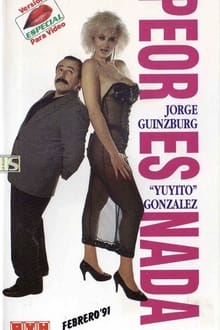
Peor es nada

Morocco: Love in Times of War
Oblivious to the strife that awaits them, a group of young nurses from Spain's upper class head to war-torn Marocco in 1921 to help where help is needed. Many lessons in love and life are learned before they overcome deepest conflicts, grow as human beings and find out what they really want from life and whom they truly love.

¡Qué grande es el cine!
TVE broadcasted this program on the occasion of the first centenary of the history of cinema, a feature film was broadcast weekly that, due to its characteristics, was of interest within the cinematographic world, directed and moderated by José Luis Garci, with the assistance of three experts , belonging to the world of cinema and literature, which debated following the screening of the chosen film.

One Careful Owner
Sara is offered a chance to buy the perfect apartment, roomy, very luminous and inexpensive. She only has one little problem: she can't live in it before Lola, the actual and aged owner, dies.
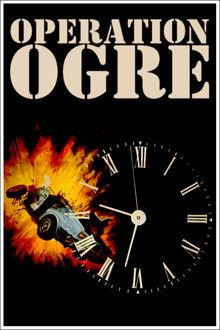
Operation Ogre
Spain, 1973. Dictator Francisco Franco has ruled the country since 1939 with an iron fist; but he is now a very old and sick man. The future of the weakened regime is in danger. Admiral Carrero Blanco is his natural successor. The Basque terrorist gang ETA decides that he must die to prevent the dictatorship from continuing.
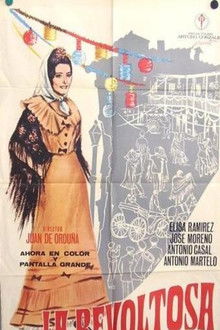
La revoltosa

Bellas artes
Antonio Dumas, a prestigious, intellectual, sophisticated, though also rather cynical and conceited art historian and cultural manager, is appointed director of an important museum of modern art in Madrid after winning a contest for that position. In this new position he will have to deal with a variety of different circumstances and conflicts, which range from trade union problems and political pressures to surreal situations involving exhibitions and artists, in the midst of the unusual fauna that inhabits the art world.

Magical Girl
The father of a terminally ill girl is determined to grant his daughter's last wish, a ridiculously expensive collectors' costume from a Japanese TV series. The request will drive him into a journey within his city's dark underbelly.

Querido Fotogramas
The 70th anniversary of the “Fotogramas” magazine comes in the shape of a sentimental voyage through the history of Spanish cinema thanks to a mosaic of voices represented by people who make films, those who write them and those who consume them. The documentary pays tribute to the readers of “Fotogramas” helped by the leading figures of Spanish cinema, who will read to the camera the most representative letters received at its offices in the history of the magazine.

La matemática del espejo

Quinqui Stars
QUINQUI STARS begins in the years of the transformations that took place between the 70s and the 80s in the peripheral neighborhoods of Madrid that affected many young people and drove them towards delinquency.
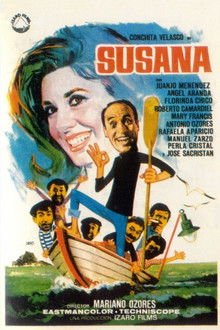
Susana
Susana is a girl that is sent to work to a small coast village in the south of Spain. The women in the villages receive her with a cold shoulder. Susana finds out that they are resentful towards their husbands: before, they used to fish close to home and now they fish far away for months and months. Susana will give the women some lessons about living together, so the men would consider going back to old ways. This will make her fall in love again.