
Personal Info
Known For
Gender
Birthday
Place of Birth
Joaquín Hinojosa
Known for

La que se avecina
La que se avecina is a Spanish television comedy created by Alberto Caballero, Laura Caballero and Daniel Deorador. The TV-series focusing around the inhabitants of Mirador de Montepinar, a fictional building located on the outskirts of a big city. Both its storylines and cast are heavily based on Aquí no hay quien viva, which ended when Telecinco bought Miramón Mendi, the series production company. The episodes debuted on the Telecinco network, and were later rerun by the same network as well as cable/satellite channels FactoríaDeFicción and Paramount Comedy. The series debuted in 22 April 2007 and became popular thanks to its funny characters, witty script, use of catchphrases and capacity to integrate and poke fun at contemporary issues; the program presents a caustic satire of many of the 'types' found in Spanish society. The name of the show involves wordplay, as "vecina" is the Spanish word for neighbour.

Bandolera

Lalola

Black Litter
Tatin is a young man of fifteen years old who joins a violent group of extreme right-wing ideology, led by Blanca, a mature woman of influential personality.

La intrusa
The Galgo brothers are inseparable macho loners living in the heart of Andalucia at the turn of the century. One day Rafael comes home with Gracia, who is to be his servant and lover. They become trapped in a hell of their own making.

Camarón: When Flamenco Became Legend
The life of Camarón de la Isla, the legendary Spanish flamenco cantaor, from his beginning until his death; the relationships he struck up with his wife, la Chispa, and guitarists Paco de Lucía, Tomatito and Paco Cepero…

Presto Agitato
El tigre
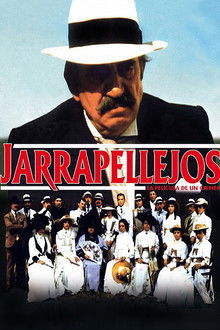
Jarrapellejos
Pedro Jarrapellejos is a ladies man who cannot turn the heads of Isabel or her beautiful daughter. When both peasant women are found raped and murdered in a brutal scene, a schoolteacher is falsely accused. Pedro knows his own nephew and his friend participated in the killings, but he uses his considerable influence over the police and courts to intimidate the witnesses into silence.

Géminis
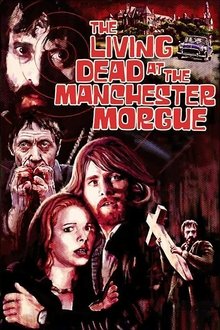
The Living Dead at Manchester Morgue
When a series of murders hit the remote English countryside, a detective suspects a pair of travelers when it is actually the work of the undead, jarred back to life by an experimental ultra-sonic radiation machine used by the Ministry of Agriculture to kill insects.
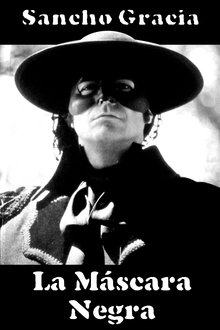
La Máscara Negra
Dos
In Madrid, inside a middle-class apartment, through a succession of dialogues, the young Luis and Julia act as lovers, friends, brothers, husband and wife. Dos is one of the most radical examples of non-narrative cinema in cinematography, not just Spanish, but worldwide.
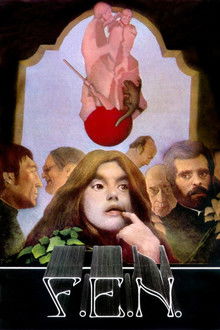
F. E. N.
Two former students of a strict religious school decide to return there during the summer holidays to make those who were their teachers experience all the suffering they experienced as students, beginning a sinister game in which the buried violence, the dark traumas of the past and the desire to heal old wounds will lead them to an unexpected climax.
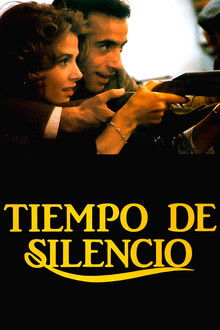
Tiempo de silencio
Pedro Martín, a young and ambitious doctor, is studying the effect of cancerous cells on mice, but he has run out of mice in his laboratory, since they do not breed there, and he has no funds to purchase more of these expensive laboratory animals from the United States. Nevertheless, his assistant, Amador, informs him that he gave some of the mice to an old trapper, nicknamed “el Muecas”, who lives in precarious conditions in a shanty town outside Madrid, and that this poor man has successfully bred them with the help of the natural heat of his daughters. The incredulous scientist goes to the shanty town to obtain the mice. There, Pedro meets Muecas, Muecas's wife Ricarda and their two daughters Florita and Conchi. With the warmth of the women’s breasts, as the flirtatious Florita shows Pedro, the mice are able to reproduce.