
Personal Info
Known For
Gender
Birthday
Place of Birth
Marianne Stone
Biography
Known for
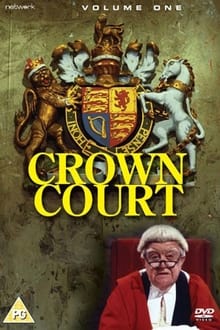
Crown Court
Crown Court is an afternoon television courtroom drama produced by Granada Television for the ITV network that ran from 1972, when the Crown Court system replaced Assize courts and Quarter sessions in the legal system of England and Wales, to 1984.
Crown Court
Crown Court is an afternoon television courtroom drama produced by Granada Television for the ITV network that ran from 1972, when the Crown Court system replaced Assize courts and Quarter sessions in the legal system of England and Wales, to 1984.
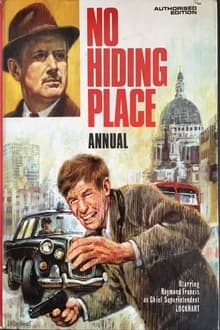
No Hiding Place
No Hiding Place is a British television series that was produced at Wembley Studios by Associated-Rediffusion for the ITV network between 16 September 1959 and 22 June 1967. It was the sequel to the series Murder Bag and Crime Sheet, all starring Raymond Francis as Detective Superintendent, later Detective Chief Superintendent Tom Lockhart.
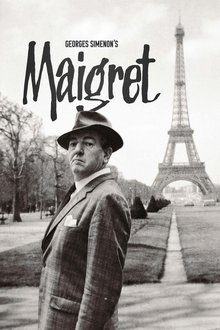
Maigret
BBC series based on the novels by Georges Simenon which starred Rupert Davies as Inspector Maigret, a French police detective who preferred to watch and listen in order to solve crimes. The series ran from 1960-63 on British television.
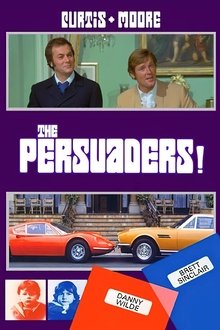
The Persuaders!
An English aristocrat and an American millionaire come together to tackle crime.
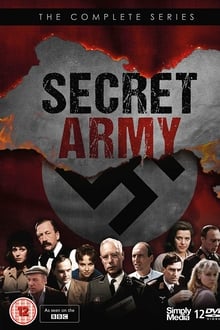
Secret Army
World War II drama about covert organisation Lifeline helping allied airmen escape after being shot down in occupied Europe, working with the Resistance and hiding from the Gestapo.
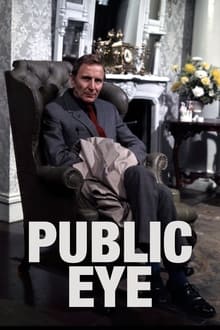
Public Eye
Public Eye is a British television drama broadcast from 1965 to 1975 on ITV1. Produced by ABC Television for three series, and Thames Television for a further four, the programme follows the investigations and cases handled by the unglamourous enquiry agent Frank Marker.
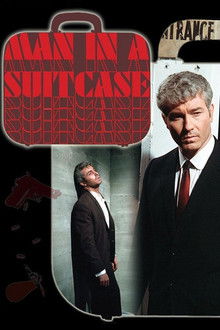
Man in a Suitcase
Accused of treason, a former U.S. intelligence officer based in London tries to clear his name, taking on freelance jobs around Europe as he searches for answers.

Lolita
Humbert Humbert is a middle-aged British novelist who is both appalled by and attracted to the vulgarity of American culture. When he comes to stay at the boarding house run by Charlotte Haze, he soon becomes obsessed with Lolita, the woman's teenaged daughter.
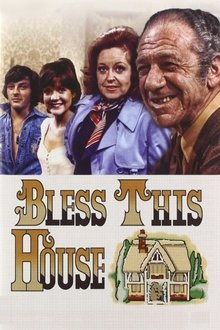
Bless This House
On Howard Road, travelling stationery salesman Sid Abbott and his wife Jean constantly battle to comprehend the permissive ways of their teenage children Mike and Sally.
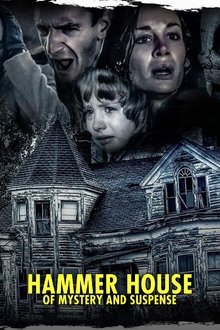
Hammer House of Mystery and Suspense
A short-lived anthology television series from Hammer Studios. Though similar in format to the 1980 series Hammer House of Horror, the Mystery and Suspense series had feature-length episodes, usually running around 70 minutes without commercials. Co-produced by Hammer Studios with 20th Century Fox Television, it is known in the United States as Fox Mystery Theater. Unlike 1980's Hammer House of Horror, all episodes feature American actors as either the leads or in key roles. It first broadcast in the UK on ITV in 1984, though was not simulcast and was shown in different timeslots throughout the various regions.
Edgar Wallace Mysteries
The Edgar Wallace Mysteries was a British second-feature film series, produced at Merton Park Studios for Anglo-Amalgamated. There were 46 films in the series, made between 1960 and 1965. The films were loose adaptations of Edgar Wallace's books and stories. Very few used his original titles, and there was no attempt to set them in the period in which Wallace wrote, probably to obviate the need for elaborate costumes and sets. A 1962 article in Scene magazine quotes £22,000 as the budget for an episode then in production.
Half Hour Story
18 short plays written especially for TV, an opportunity for up-and-coming directors such as floor manager Alan Clarke, who ended up doing 10 of the episodes. Some top ranking performers were attracted to the series.
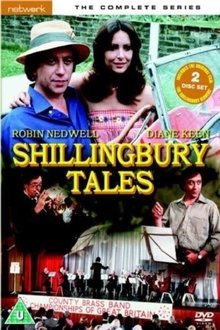
Shillingbury Tales
Shillingbury Tales is a 1980–81 British sitcom produced by Associated Television for ITV. Comprising a single feature length pilot and six one-hour episodes, the series deals with life in an idealised fictional English village and stars Robin Nedwell, Diane Keen, Nigel Lambert, Jack Douglas, John Le Mesurier, Bernard Cribbins and Trevor Howard. The series was written by Francis Essex and directed by Val Guest. Unusual for the time, it was shot entirely on location in the village of Aldbury in Hertfordshire on 16mm and consequently there was no laugh track. The show ended when ATV lost their licence to broadcast and their replacement Central declined to continue production.
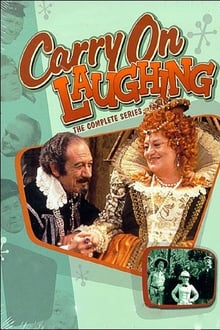
Carry On Laughing
An anthology of half-hour stories, mostly historical romps and satires of pop culture, some feature recurring characters; based on the blockbuster Carry On films, the series was an attempt to address the films' declining cinema attendance by transferring the franchise to television. Many original cast members were featured in the series.