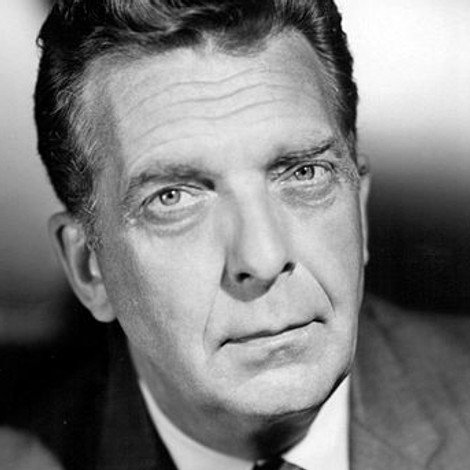
Personal Info
Known For
Gender
Birthday
Place of Birth
Chet Huntley
Biography
Known for

The Dick Cavett Show
The Dick Cavett Show has been the title of several talk shows hosted by Dick Cavett on various television networks.
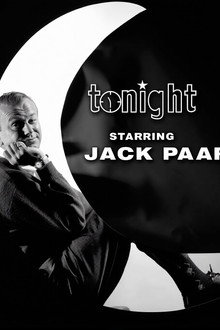
Tonight Starring Jack Paar
Tonight Starring Jack Paar is an American talk show hosted by Jack Paar under The Tonight Show franchise from 1957 to 1962. It originally aired during late-night. During most of its run it was broadcast from Studio 6B inside the RCA Building. The same studio would also host early episodes of The Tonight Show Starring Johnny Carson, and Late Night with Jimmy Fallon. Its theme song was an instrumental version of "Everything's Coming Up Roses", and the closing theme was "So Until I See You" by Al Lerner.

Kraft Music Hall
Kraft Music Hall is an umbrella title for several television series aired by NBC in the United States from the 1950s to the 1970s in the musical variety genre, sponsored by Kraft Foods, the producers of a well-known line of cheeses and related dairy products. Their commercials were usually announced by "The Voice of Kraft", Ed Herlihy.

The Emmy Awards
An annual awards ceremony honoring the best in U.S. prime time television programming as chosen by the Academy of Television Arts & Sciences.

Mr. Lucky
A conman poses as a war relief fundraiser, but when he falls for a charity worker, his conscience begins to trouble him.

Vanished
Government agencies investigate the mysterious disappearance of a powerful presidential adviser.

Day the World Ended
After a nuclear attack, an unlikely group of survivors, including a geologist, a crook and his moll, and a prospector, find temporary shelter in the remote-valley home of a survivalist and his beautiful daughter, but soon have to deal with the spread of radioactivity - and its effects on animal life, including humans.
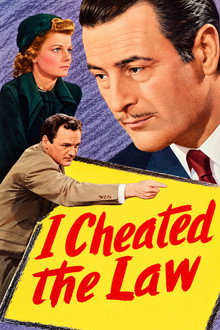
I Cheated the Law
An attorney learns he was duped into being his gangster murder client's alibi.

Disneyland Around the Seasons
Walt takes viewers on yet another tour of Disneyland to point out some of the newest additions to the park, including New Orleans Square, It's a Small World, and Great Moments With Mr. Lincoln.

Mau-Mau
Newsman Chet Huntley narrates this documentary showing the rise of the African resistance movement known as the "Mau-Mau" against British rule in East Africa in the early 1950s.

Executive Suite
When the head of a large manufacturing firm dies suddenly from a stroke, his vice-presidents vie to see who will replace him.

NBC White Paper: Angola – Journey to a War
An investigative documentary on the Angolan conflict, filmed on location in Portuguese-controlled Africa by Robert M. Young and first broadcast in 1961. (Note: Originally broadcast as an episode of NBC’s White Paper series (1961), but listed separately due to its independent documentary production, hazardous field filming, major journalistic impact, and sustained scholarly treatment as a standalone documentary work.)

The Big Street
After her abusive gangster boyfriend pushes her down a flight of stairs, self-absorbed nightclub torch singer Gloria Lyons becomes paralyzed and confined to a wheelchair. Despite her bitter treatment of him, busboy Little Pinks selflessly takes her in and cares for her as she alienates others.
Huntley-Brinkley Report
The Huntley-Brinkley Report was the NBC television network's flagship evening news program from October 29, 1956, until July 31, 1970. It was anchored by Chet Huntley in New York City, and David Brinkley in Washington, D.C. It succeeded the Camel News Caravan, anchored by John Cameron Swayze. The program ran for 15 minutes at its inception but expanded to 30 minutes on September 9, 1963, exactly a week after CBS Evening News with Walter Cronkite did so. It was developed and produced initially by Reuven Frank. Frank left the program in 1962 to produce documentaries but returned to the program the following year when it expanded to 30 minutes. He was succeeded as executive producer in 1965 by Robert "Shad" Northshield and in 1969 by Wallace Westfeldt.

The Bonnie Parker Story
In the 1930s, amoral blonde tommy-gun girl Bonnie Parker cut a swath of bodies across the South-West. Starting out on gas stations and bars with side-kick Guy Darrow she graduated to bank hold-ups with Darrow's brother and, after bloodily springing him, her jailed husband. But there was never any doubt who was in charge.