
Personal Info
Known For
Gender
Birthday
Place of Birth
Kan Sugi
Known for
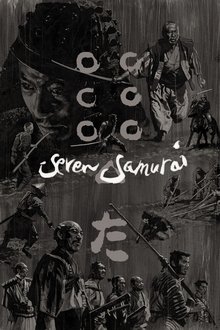
Seven Samurai
A samurai answers a village's request for protection after he falls on hard times. The town needs protection from bandits, so the samurai gathers six others to help him teach the people how to defend themselves, and the villagers provide the soldiers with food.
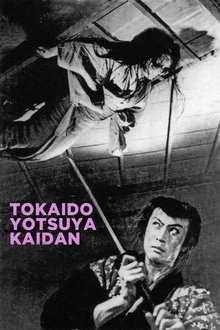
Ghost Story of Yotsuya
This horror tale adapts the Japanese legend about a man who faces the consequences of betraying his wife in order to acquire wealth and power.
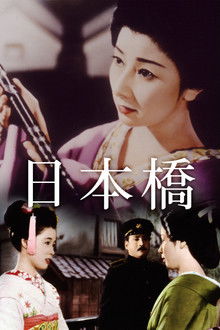
Bridge of Japan
Ichikawa's 1956 adaptation of Nihonbashi was the first to take the work of Kyoka Izumi— until then regarded as a writer of common tragic melodramas—and re-evaluate it as a tanbi-ha work of decadence, aestheticism, and intrigue. Ichikawa's film presents the tragic plot of the young geisha who is unable to enact her love for a man publicly in any way other than a histrionic story of torment, a heart-rending tale of lovers being crushed by fate. Instead, Ichikawa shows the contest of wills that transpires as two geisha, Oko and Kiyoha fight for the top spot in Nihonbashi, the pinnacle of the Tokyo geisha world. Nihonbashi is an elegant, if steely, exposition of manners. The young doctor, Shinzo Katsuragi, is the object of affection for both women, but appears to be more the choice reward for the plotting and thieving of these two early modern superwomen, than a lover they swoon over.
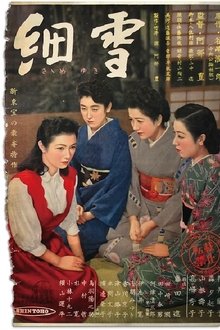
Snow-Flake
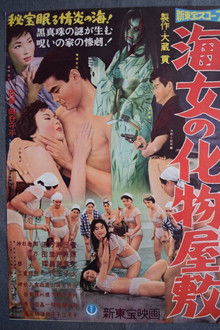
Haunted Cave
The treasures of the Aoyamas were buried at the bottom of the sea when a large earthquake occurred years before. Yumi Aoyama is the only person who knows the location, but her family dies one after another through curious incidents, as if the family were under a curse. Yumi is surprised by the ghost of a dead sister who looks the same as the grim figure who jumped into the old well alter stabbing herself with a sword. Fearful that a similar fate awaits her, Yumi seeks the help of her friend Kyoko. Later the ghost appears before Kyoko and her fiancé, Detective Nonomiya. In a haunted cave, Kyoko and Yumi are in deadly peril from those who seek treasures of the Aoyamas.

Black Cat Mansion
The descendant of the servant of a cruel and vicious samurai returns to the town where she was born, only to find that a cat who is possessed by the spirits of those murdered by the samurai is trying to kill her.
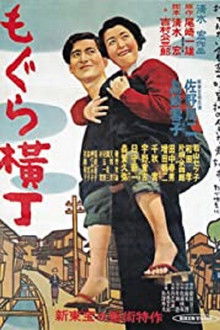
Mole Alley
33-year-old poor writer Ogata was able to endure his miserable life cheerfully thanks to Yoshie, a 19-year-old innocent young wife. After graduating from a girls' school in Hokuriku, she immediately moved to Tokyo to meet and marry Ogata. After neatly writing Ogata's manuscript, he would buy dorayaki as a gratuity and devour it.
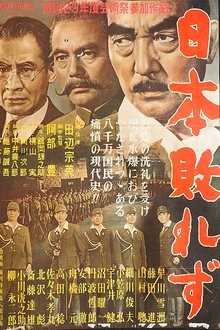
日本敗れず
In May 1945, Japan's defeat was imminent after the attacks on Saipan, Iwo Jima, and the Philippines, and Tokyo was reduced to a sea of fire by another massive air raid. However, within the Ministry of the Army, there were still officers who were enthusiastic about a decisive battle on the mainland. Eventually, the Okinawa garrison was annihilated, and the US military was approaching the mainland, but on July 27th, the Potsdam Conference between the US, Britain, and the Soviet Union broadcast the Triple Joint Declaration, which set out the final terms of surrender for Japan.
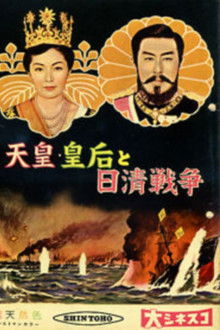
Emperor & Empress Meiji and the Sino-Japanese War
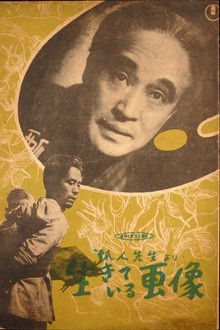
Living Image
A film dealing with the comings and goings of individuals in the immediate postwar period.
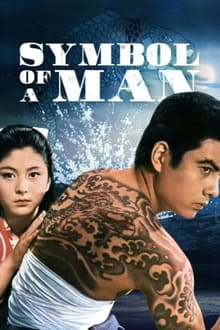
The Symbol of a Man
A Japanese intelligence officer faces personal crises in the years preceding the Manchurian conflict.
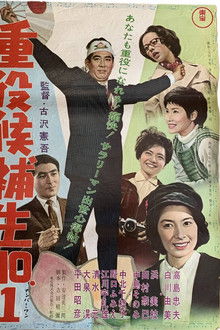
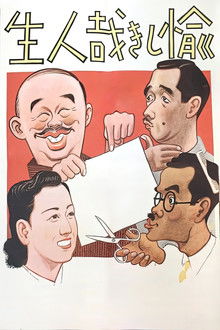
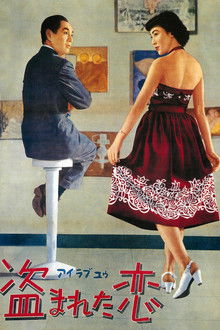
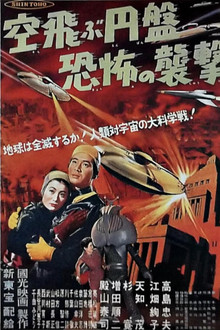
Fearful Attack of the Flying Saucers
A 1956 alien invasion tokusatsu film directed by Shinichi Sekizawa, the screenwriter noted for his immense contributions to Toho's Godzilla series by providing the screenplays/stories for the majority of the original Showa films.