Personal Info
Known For
Gender
Birthday
Place of Birth
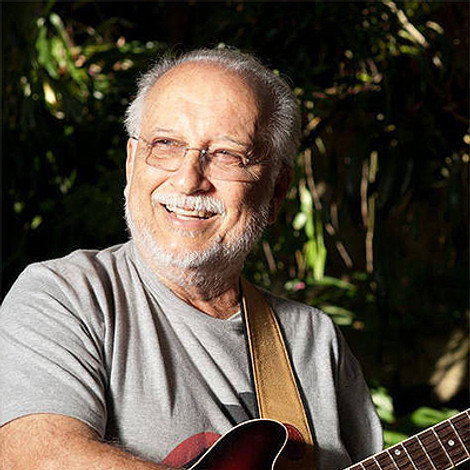
Roberto Menescal
Biography
Known for

Altas Horas
Serginho Groisman hosts weekly debates on relevant topics, featuring the participation of the audience, artists, and personalities from various fields.

O Som do Vinil

Toquinho Maravilhoso
The documentary narrates the life of Toquinho, one of the greatest Brazilian artists, a musician who transcends the barriers of time and language with his sensitivity. A story that shapes Brazilian popular music.
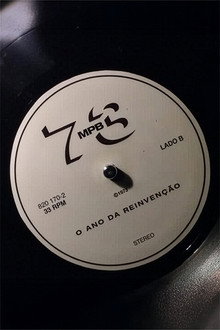
MPB 73 – O Ano Da Reinvenção
The series places Brazil and the world in the context of 1973 to show how fertile that period was for local music production. Each episode addresses a specific theme—such as military regime censorship, the rise of samba at the time, Brazilian rock, the importance of iconic album covers, production outside the Rio-São Paulo axis, and the renewal of bossa nova. To this end, the series invites musicians like Odair José, Charles Gavin, and Roberto Menescal, as well as journalists such as Silvio Essinger, Paulo Cesar de Araújo, and Renato Terra, to share behind-the-scenes details from that era. Each account is complemented by extensive research, featuring performances and interviews with artists who defined the year and remain fundamental to the history of Brazilian music.

Descobrindo Waltel

Rock in Rio

O Canto Livre de Nara Leão
Nara Leão revolutionized Brazilian music, broke prejudices, confronted the military dictatorship, opened paths for women. All this without changing the tone of her voice.

They Shot the Piano Player
New York, 2010. Jeff Harris, a music journalist, sets out to uncover the truth about Francisco Tenório Júnior, a young Brazilian samba-jazz pianist who disappeared in Buenos Aires on March 18, 1976.

Primavera nos Dentes – A História do Secos & Molhados
The series follows Secos & Molhados, the rock band that shaped music and concepts in Brazil. In exactly twelve months, the group broke all records — selling over 1 million records of their debut album and playing to 25,000 people at Maracanãzinho Stadium. With painted faces and sinuous dance moves, they brought gender issues, androgyny, and the poetry of authors like Manuel Bandeira and Vinicius de Moraes into the country's homes.

Looking for Black Orpheus
Documentary about Marcel Camus' 1959 film Black Orpheus, its cultural and musical roots, and its resonance in Brazil today.

Vamos Tocar

Eu, Meu Pai e Os Cariocas

The Girl From Ipanema: Astrud Gilberto, Queen of Bossa Nova
The Girl from Ipanema charts the progress of bossa nova (new wave), and the Brazilian singer Astrud Gilberto's musical development and rise to fame. Best of all, at the end of the documentary the mature Astrud answers the question that must surely be on every viewer's mind: Was she sick to death of singing The Girl from Ipanema?

Erlon Chaves: O Maestro do Veneno
