Personal Info
Known For
Gender
Birthday
Place of Birth
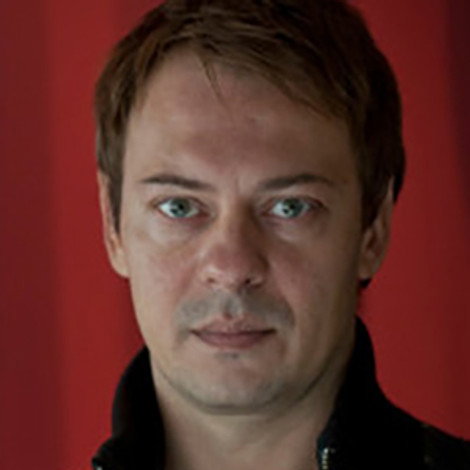
Goran Jevtić
Biography
Known for

The Librarians: The Next Chapter
A Librarian from the past time travels to the present and finds himself stuck here. When he returns to his castle, which is now a museum, he inadvertently releases magic across the continent. He is given a new team to help him clean up the mess he made, forming a new team of Librarians.
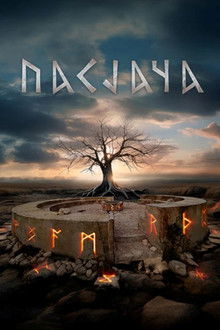
Pasjača
Nikola, a teacher from Belgrade, accepts a job in the remote mountain village of Gornik, unaware that deep-buried secrets await him there. At the same time, Lucija, an ambitious PhD in anthropology, arrives in the village to investigate a community that claims to be descendants of ancient Celts. However, the locals are not ready for change due to their fears and old legends, a mysterious past, and the suspicious motives of the new arrivals.

Bad Blood
A story that follows three generations of a rich Serbian Christian family in the 19th century in the north of the then Ottoman Empire in the city of Vranje, who are fighting for survival through various moral crises, facing decline. Forbidden love, intrigue, murder, arranged marriages, revenge, friendship and enmity between Serbs, Albanians and Turks and the endangered position of women at that time

The Mask
After the 1848 revolution with the help of Serbs and other allies Austrians managed to defeat Hungarians and preserve the centralist system of the Austrian Monarchy. A number of prominent Serbs lived in Vienna for years after the revolution. But their merits are slowly forgotten. The story begins in Vienna 1851 on a ball given by general's wife Ada, ahead of Easter.
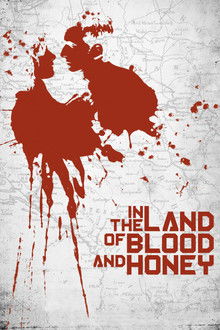
In the Land of Blood and Honey
During the Bosnian War, Danijel, a soldier fighting for the Serbs, re-encounters Ajla, a Bosnian who's now a captive in his camp he oversees. Their once promising connection has become ambiguous as their motives have changed.
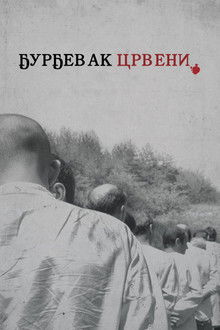
The Bloody Lilly of the Valley
Unknown Serbian author creates one of the most popular Serbian folk songs "Djurdjevdan" (St. George Day) in the 'Train of Death' on it's way to Croatian concentration camp Jasenovac, during World War 2.

Love Comes After
In this romantic tragedy, love drama, three stories are interwoven with characters that are trying to solve their emotional problems and unresolved relationships from the past during one night. Each of the characters survive their loneliness with others.
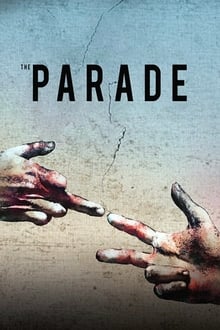
The Parade
The Parade, in a tragicomic way, tells the story about ongoing battle between two worlds in contemporary post-war Serbian society - the traditional, oppressive, homophobic majority and a liberal, modern and open-minded minority... The film, which deals with gay rights issues in Serbia, features footage of the 2010 Belgrade gay pride parade. The film introduces a group of gay activists, trying to organize a pride parade in Belgrade.

Next to You
Set five years on from the school days of director Stevan Filipovic's previous film Next to Me, a state of emergency exists and politicians are accused of capitalising on public anxiety around Covid-19, which makes the shocking situation that reunites the characters significantly more extreme. The story centres on Ksenija (newcomer Mina Nikolic), a driven young woman striving to move from tabloid hack to a career journalist in a world of click-bait headlines and showbiz scandals cooked up to feed the masses. Ksenija's personal and professional journey is hampered when Vera tests positive for Coronavirus and Ksenija must question how far she will bend to survive in a climate where political pressure is increasingly overt and can be said to capitalise on fear during the pandemic.

Viber Grupa
After enrolling in a London university, Andjela returns to her luxury apartment building in Belgrade to discover that her neighbor and mentor, Klara, has mysteriously disappeared. Andjela launches her own amateur investigation, gradually uncovering a web of secrets, lies, and hidden relationships among the eccentric tenants, where everyone becomes a suspect.

We Are Not Angels 3: Rock & Roll Strike Back
We Are Not Angels III is a Serbian film. In 1973 during a Youth Work Action, budding musician Borko Pavić (Nikola Pejaković) is disappointed to find out that the majority of his fellow young workers prefer to dance kolo to folkish harmonica sounds rather than listening to him play his acoustic guitar. Heartbroken and depressed he confides in his best friend that he read that in America the young people make the devil appear by playing the music backwards who then makes them rich and famous. He becomes the mega popular rock'n'roll superstar Dorijan. Cut to 30+ years later Dorijan is still a debauched, coke-snorting, and alcoholic superstar, except that he's now playing turbo folk instead of rock'n'roll. He lives with a silicone trophy girlfriend Smokvica and his best friend from childhood is his business manager. Despite still having his women, fame, and fortune, Dorijan is unhappy about having to resort to playing a musical style he hates in order to have all that.
The Beautiful Blue Danube
Luxurious Danube river cruiser "Kriemhild", on a 2 day tour from Vienna to Belgrade. The ship "Kriemhild" is a floating sin city. Exhausted, unhappy, frustrated people from western Europe come here to "relax" and conduct business with alcohol, entertainment and sex. The crew of the "Kriemhild" are young people from eastern Europe who are trying to earn enough money to escape their small insignificant lives. That one night on this ship will shuffle the hands of fate of both the passengers and the crew of the ship. Prejudices, stereotypes and lack of communication between men and women, people of different religions, nationalities and social statutes will lead to absurd and, at times, dangerous situations, all colored with elements of dark humor. The night will unveil pain and tears, happiness and laughter.

Necista krv Greh predaka
The film follows the story of Hadzi Trifun, a prominent Serbian merchant, who tries to keep the peace with the Turkish authorities, but also maintains his reputation and influence in Vranje, an important Turkish town near the border with liberated Serbia. While Trifun is preparing his two sons to succeed him as the leaders of the Serbian people, he is suffering not only from powerful Turkish beys, but also from his family. Trifun makes difficult decisions that will later affect his descendants, the heroes of the novel Impure Blood by Serbian writer Bora Stankovic.

Heavens Above
Three stories about the impact of three God's miracles in the medieval sense that happen to the film's heroes living in a post-communist society that, after half a century of atheism, re-learns about Christianity.