
Personal Info
Known For
Gender
Birthday
Place of Birth
Antonio Canal
Known for

Cuéntame cómo pasó
Recounts the experiences of a middle-class family, the Alcántaras, during the last years of the rule of Francisco Franco and the beginning of the Spanish Transition to democracy.
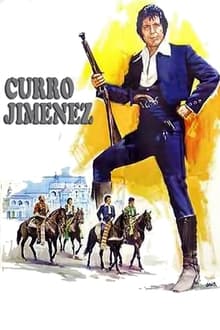
Curro Jiménez
Curro Jiménez was a successful Spanish TV series that aired on TVE1 from 22 December 1976 to 1979. Its main theme was Andalusian "bandolerismo" in the 19th century, located in the Ronda mountains. The main characters were four bandits, Curro Jiménez

Ana non
At seventy-five years old Ana Non closes the door behind her to undertake a fabulous journey: she goes, walking, to kiss her son in prison; journey to the north of Spain, journey of love and death, of initiation and knowledge.

Teresa de Jesús
An account of the life of Teresa of Ávila (1515-1582), from her spiritual awakening to her final days, as she struggles to reform the Order of the Carmelites and with her own faith.
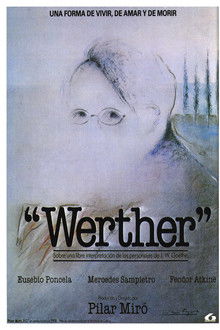
Werther
This adaptation of Goethe's The Sorrows of Young Werther offers a chilly and remote view of love and its passions. The setting is changed to Spain, and Werther (Eusebio Poncela) has taken a job tutoring the son of an estranged husband and wife. The boy's mother is a surgeon and therefore a rather uncommon woman for her society. She and Werther gradually become romantically involved, and his feelings for her begin to run much deeper than is apparent on the surface.

Crónicas urbanas
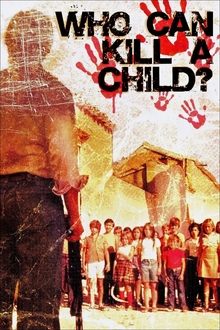
Who Can Kill a Child?
A couple of English tourists arrive at the island of Almanzora, off the Spanish Mediterranean coast, where they discover that there are no adults in a small fishing village, only some children who stare at them and smile mysteriously.
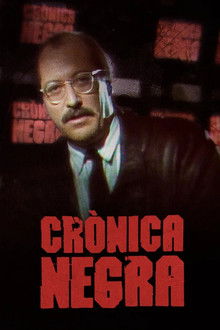
Crònica negra
Crònica negra is a gripping anthology crime series based on the short stories of renowned Spanish author Andreu Martín. Inspired by actual, real-life headlines from the crime and mystery sections of local newspapers, each self-contained episode masterfully blends reality with fiction. The series delves into the shadows of everyday life, reconstructing the unexpected events, psychological motives, and human tragedies behind some of the era's most shocking crimes.
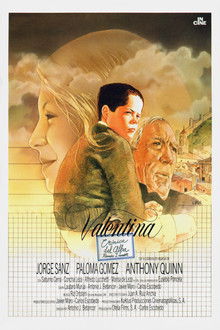
Valentina
In 1939, in a French prison camp, José Garcés of the defeated Spanish Republican army raises the spirits of his fellow prisoners by telling the story of the year he was 8 years old, 1911, in a small town in northeastern Spain. He was a rascal, baffling his father, always in trouble, and in love with Valentina, a neighbor girl. On his roof top at night he sends semaphore messages to her. He writes poems. He gets them into trouble, killing her father's breeding pigeons. When the two families camp at a decaying castle, his tutor, a sympathetic priest, tells him about the most valiant men, the saints, the heroes, and the poets. Already a poet, he learns a lesson about being a hero.
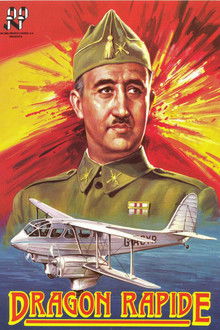
Dragon Rapide
The two weeks leading up to the Spanish Civil War in 1936 are dramatized from many different locations in Spain, Morocco and London.
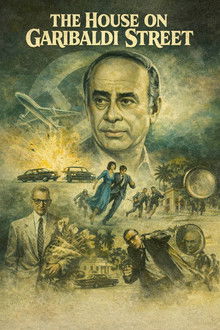
The House on Garibaldi Street
When Israeli officials learn that Nazi war criminal Adolf Eichmann may be living in Argentina, they send a team of secret agents to apprehend him.
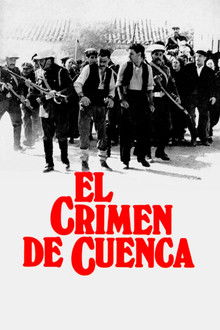
The Crime of Cuenca
Osa de la Vega, Cuenca, Spain, 1913. Gregorio and León, employees on the estate of the village's mayor, a powerful landowner, are arrested and accused of the murder of José María el Cepa, a shepherd who mysteriously disappeared three years earlier.
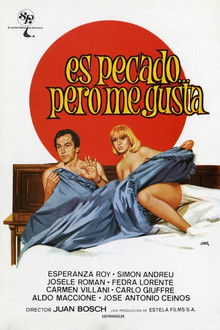
Es pecado... pero me gusta
Fabrizzio hired the services of a prostitute to pretend to be his wife and accompany him to spend a weekend in the country house of his friend Romolo, where Aristides Almirante, an important official of the Ministry of Health, has also been invited. the approval of a new medicine of doubtful effectiveness called Fagatín, whose patent Fabrizzio owns.

Freedomfighters
At the outbreak of the Spanish Civil War, the nun Maria is forced to flee her convent. She takes refuge in a brothel, until it is liberated by a woman's anarchist group. Maria joins the group and eventually goes to the front. The women's group faces the problems of fighting not only the nationalists, but also factions on the left seeking to impose a more traditional military structure.
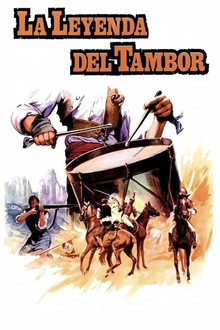
La leyenda del tambor
In June 1808, Napoleon's troops invade Spain. A boy named Isidro will beat his drum in the mountains of El Bruc, making the French army believe that thousands of armed men are waiting to confront them.