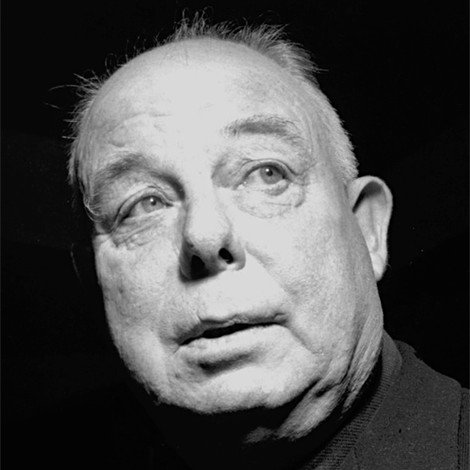
Personal Info
Known For
Gender
Birthday
Place of Birth
Jean Renoir
Biography
Known for

Discorama

Cinépanorama

Encyclopédie audiovisuelle du cinéma
Produced for television by Claude-Jean Philippe, the « Encyclopédie audiovisuelle du cinéma », recounts the history of French cinema from its birth to the beginning of the 1960s. With commentary read by Jean Rochefort.

The Rules of the Game
The Marquis de la Chesnaye and his wife host a weekend gala where a variety of complicated romantic and social entanglements between guests and servants lead to tragedy, all against the backdrop of a looming war.


La Bête Humaine
Returning by train to the French port of Le Havre, Jacques Lantier, a tormented railwayman, meets by chance the impulsive stationmaster Roubard and Séverine, his wife.

Louis Lumière
Eric Rohmer leads a conversation with Jean Renoir and Henri Langlois on the art of filmmaker Louis Lumière.

Quand Jean devint Renoir
The fascinating story of a man destined to be only a son of and who sought all his life to become "someone" by getting rid of the overwhelming image of his genius as a father, the painter Pierre-Auguste Renoir.

François Truffaut l'insoumis
This portrait of the world-famous French director based on his personal correspondance reveals the little known insurgent side of his personnality. Featuring interviews with close collaborators, friends and family, this definitive documentary tells his intimate story, from the streets of Paris to the filmmaking accolades and high profile marriages at the height of his career.

Directing Actors by Jean Renoir
A example of Jean Renoir's talents as a director as he works Gisèle Braunberger into the right frame of mind.

Backbiters
About the conflict between social classes through the life of the unhappy Catherine Ferrand, an orphan girl, who is a victim of the jealousy of women and the greed of men.

Cinéastes de notre temps : Erich von Stroheim

D'un Céline l'autre
Passers-by, those who knew him in his youth, René Barjavel, witness of his beginnings, his wife, his doctor, writers ... By questioning them Michel Polac tries to better understand the troubled personality of Louis-Ferdinand Céline, Notorious anti-Semite and genius writer.

La P’tite Lili
La P’tite Lili is a silent short drama depicting the fate of a young orphaned girl in the working-class districts of Paris. The film follows Lili, a teenage girl marked by innocence and vulnerability, as she is drawn into the city’s underworld after encountering a man who exploits her circumstances. Told through impressionistic visual style rather than dialogue, the film presents a tragic portrait of social marginalization and moral collapse within an urban environment.

A Day in the Country
The family of a Parisian shop-owner spends a day in the country. The daughter falls in love with a man at the inn, where they spend the day.