Personal Info
Known For
Gender
Birthday
Place of Birth
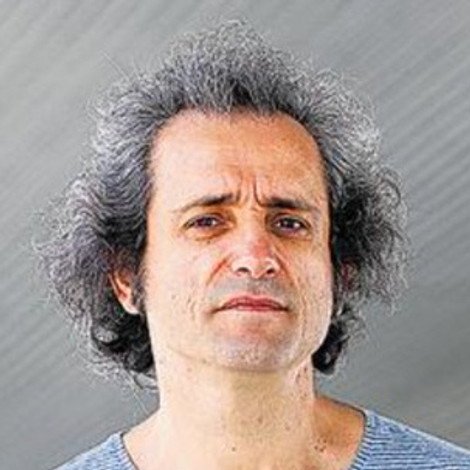
João Grosso
Known for

Verão Quente

Cinzas
O Dia do Regicídio

Ideias com História

Por Mares Nunca Dantes Navegados

A la minuta
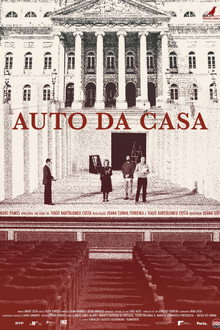
Auto da Casa
A theatre having national as part of its name, at the top of a square, reflecting a country’s history. But which one? This is a voyage through the various narratives about D. Maria II National Theatre, forged through the intentions of the several regimes that intended to convey their own ideologies within the theatre’s mission. This is also the story of those who fought against it, opposed the institution and became part of it. How can one become heir of these stories, even if never having set foot inside.
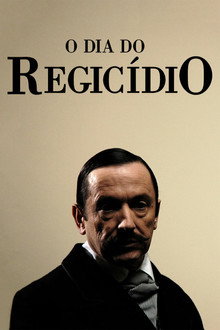
O Dia do Regicídio
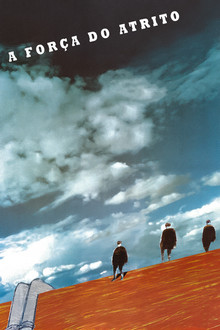
A Força do Atrito
Portugal 1997. A nuclear accident left the the country without energy and divided between zones, some of them interdicted because of the contamination. The economic crisis is dramatic and unemployment is almost total.

Procura-se
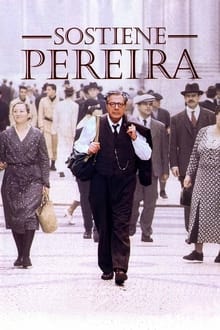
Pereira Declares
Lisbon, 1938. Mr. Pereira is the editor of the culture section of an evening paper. Although fascism is on the rise in Europe, like in nearby civil war Spain or even inside Portugal itself in the form of Salazar's regime, Pereira only concerns himself with writing bios and translating French novels. Things change after he hires a young writer as his assistant, getting to know also his girlfriend – both opponents to the regime – and reluctantly helps them when they begin to get in trouble for subversive activities. Eventually, he's forced to take a stand...

Foreign Land
During a time of political upheaval in Brazil, two strangers meet by coincidence in a foreign land and end up caught in the middle of a gem smuggling ring.
Requiem for a Daffodil
Miguel is what is commonly known as a Don Juan. He seduces women and afterwards takes them to take a picture next to Torre de Belém. Or so it was until he met Bárbara.

Sombras – Um Filme Sonâmbulo
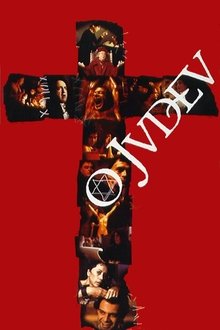
The Jew
The story of Brazilian Antônio José da Silva, a jewish poet, playwright and lawyer living in the 18th Century Lisbon, who managed to avoid Inquisition by converting himself to Catholicism, after being tortured. But his fierce criticism of Portugal's élite led him to persecution and torture, becoming kind of a scapegoat.