Personal Info
Known For
Gender
Birthday
Place of Birth
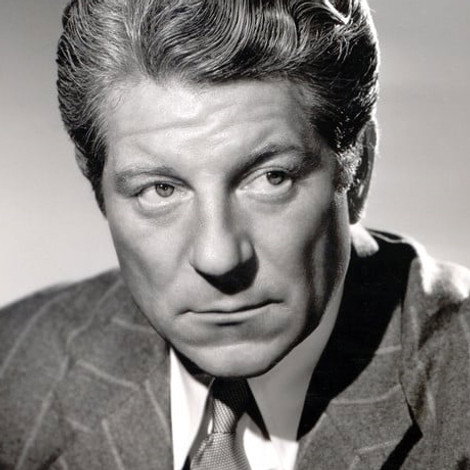
Jean Gabin
Biography
Known for

Sacrée soirée

Spécial cinéma
Marcello Mastroianni, Isabelle Adjani, Alain Delon, Martin Scorsese, Woody Allen... the biggest stars in cinema were welcomed by Christian Defaye on his show Spécial cinéma. Between intimate confessions from actors and immersion in the world of the greatest filmmakers, Christian Defaye took viewers on a journey into the fascinating world of cinema for nearly thirty years.
Cinépanorama

Cérémonie des César
The César Awards are cinematographic awards created in 1976 and presented annually in Paris to professionals of the 7th art in various categories to recognize the best French productions. They are often cited as the French equivalent of the Oscars in the United States.

V.I.P. Schaukel
V.I.P.-Schaukel is a 45 minute documentary-family-news-talk show starring Margret Dünser as Host. The series premiered on Sun May 09, 1971 on ZDF and Folge 37 - Final Show last aired on Fri May 09, 1980.
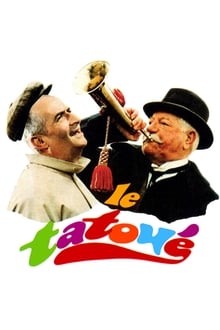
The Tattoo
An art dealer wants to buy a Modigliani, which is tattooed on the back of an old soldier.
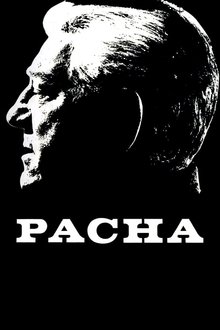
Pasha
Six months before his retirement from the criminal police, inspector Joss finds his colleague Gouvion dead, in a poorly faked suicide attempt. Joss loses his temper, and investigates on his own, which leads him through the bas-fond of Paris...
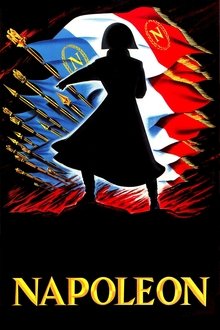
Napoleon
The film follows the life of Napoleon from his early life in Corsica to his death at Saint Helena. The film is notable for its use of location shooting for numerous scenes, especially at the French estates of Malmaison and Fontainebleau, the Palace of Versailles, and sites of Napoleonic battles including Austerlitz and Waterloo.
Encyclopédie audiovisuelle du cinéma
Produced for television by Claude-Jean Philippe, the « Encyclopédie audiovisuelle du cinéma », recounts the history of French cinema from its birth to the beginning of the 1960s. With commentary read by Jean Rochefort.

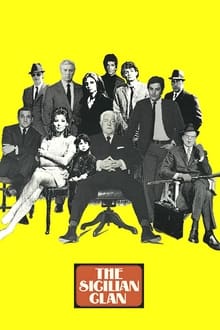
The Sicilian Clan
An ambitious mobster plans an elaborate diamond heist while seducing the daughter-in-law of a ruthless mob patriarch as a determined police commissioner closes in on all of them.
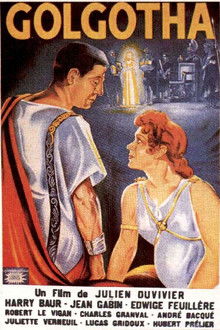
Golgotha
The final days of Jesus from the time he enters the city of Jerusalem. Viewed as a threat, it is decided that he must be captured, tried, and executed as a criminal, a plan aided and abetted by disciple Judas Iscariot.
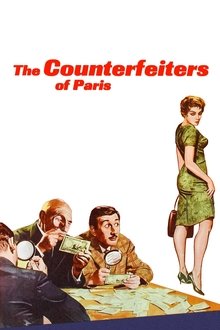
The Counterfeiters of Paris
"Le Dabe" retired many years ago and now he lives in the Tropics where he owns stables and horses. He is a very rich man. He was the king of all money counterfeiters. He is contacted from Paris to organize a new job. He says no. But when he finds out the the currency that should be counterfeited is the Dutch florin, he accepts immediately. He retired after having counterfeited 100 florin notes just before the Queen Wilhelmina retired them from circulation. He flies to Paris. But the gang is not to be trusted, at least not all of them.
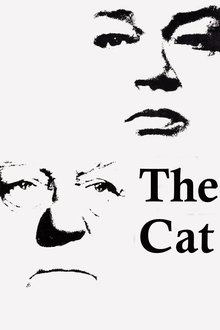
The Cat
Julien Bouin, a former typographist, and his wife Clemence, who used to perform in a circus, hardly talk to each other in their small house, soon to be demolished. His cat Greffier being the only one he still gives affection to, he becomes the object of Clemence's anger.
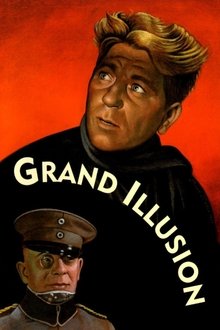
Grand Illusion
A group of French soldiers, including the patrician Captain de Boeldieu and the working-class Lieutenant Maréchal, grapple with their own class differences after being captured and held in a World War I German prison camp. When the men are transferred to a high-security fortress, they must concoct a plan to escape beneath the watchful eye of aristocratic German officer von Rauffenstein, who has formed an unexpected bond with de Boeldieu.