Personal Info
Known For
Gender
Birthday
Place of Birth
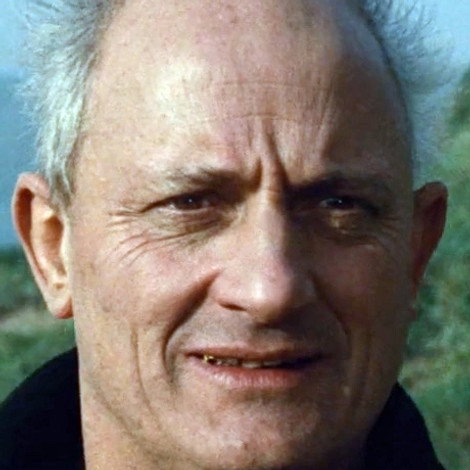
Jean Dasté
Biography
Known for

White Wedding
A philosophy professor has an illicit affair with one of his students, a bright yet troubled girl who lives alone.

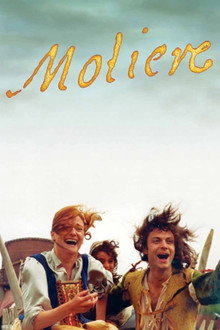
Molière
Jean-Baptiste Poquelin is raised by his father and his grandfather because his mother dies when he's still very little. He works as a handyman, studies the law at a university and travels the country as an actor before he becomes the celebrated playwright Molière who impresses firstly the Duke of Orleans and then even King Louis XIV.

Utopia
After getting painfully separated from the woman he loves, Julien leaves his apartment. He goes in search of his old friends but no one is to be found and the city is silent.

Z
A prominent politician is murdered during a demonstration. The government and army are trying to suppress the truth, but a tenacious magistrate is determined not to let them get away with it.
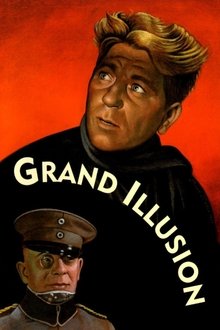
Grand Illusion
A group of French soldiers, including the patrician Captain de Boeldieu and the working-class Lieutenant Maréchal, grapple with their own class differences after being captured and held in a World War I German prison camp. When the men are transferred to a high-security fortress, they must concoct a plan to escape beneath the watchful eye of aristocratic German officer von Rauffenstein, who has formed an unexpected bond with de Boeldieu.

Love Unto Death
Elisabeth and Simon have been deeply in love for two months when Simon momentarily dies, but returns to life. Despite declining further medical tests, the couple are forced to grapple with the possibility of his death. Eventually, they tell their close friends Jérôme and Judith Martignac about the event. The Martignacs are both clerics, and Judith has just been giving a funeral service for a villager who committed suicide, though Jérôme would have nothing to do with suicide...
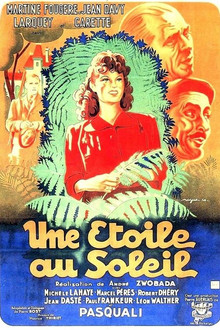
A Star to the Sun
Martine, who has become a major star of the song in Paris, wants to return to visit her hometown. Confronted with Merlerault, a very haughty and noble character who wants to teach her how to live, she succumbs after a time of anger, to the charms of the gentleman. They get married but she forgot to tell her husband that her father is in fact the most famous poacher in the area.

The Man Who Loved Women
At Bertrand Morane's burial there are many of the women that the 40-year-old engineer loved. In flashback Bertrand's life and love affairs are told by himself while writing an autobiographical novel.

Sideral Cruises
Robert and Françoise Monier make a hot air balloon to fly to the stratosphere. After a visit to Venus, they return home, but have only aged 15 days whereas 25 years have passed on Earth.
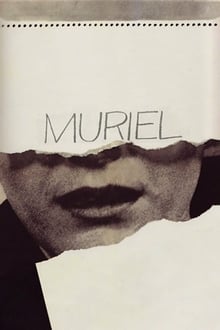
Muriel, or the Time of Return
In the seacoast town of Boulogne, antique furniture saleswoman Hélène lives with her stepson, Bernard, who's back from military duty in Algiers. An old lover of Hélène's comes to visit, Alphonse, with his niece Françoise; he too is back from Algiers, where he ran a café. Bernard speaks of his fiancée, Muriel, whom Hélène has not met. The past is obscured by guilt, misperceptions, and missed possibilities. Appearances deceive, things change. As Hélène and Alphonse try to sort out a renewal, everyone seems off-kilter just enough to hint that all cannot end well.
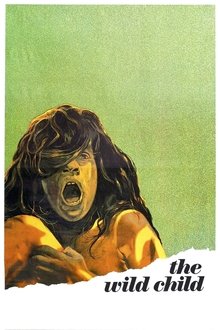
The Wild Child
The true story of Victor of Aveyron. In a French forest circa 1798, an abandoned child — feral, filthy and mentally impaired — is found. Dr Jean Marc Gaspard Itard becomes interested in the case and patiently attempts to civilise the boy.
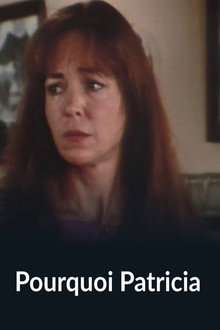
Pourquoi Patricia
A young writer revisits the events leading up to the murder of the couple who were sheltering her.

My American Uncle
Professor Henri Laborit uses three people's stories to discuss behaviourist theories of survival, combat, rewards and punishment, and anxiety: René is a technical manager at a textile factory and must face the anxiety caused by corporate downsizing; Janine is a self-educated actress/stylist who learns that the wife of her lover is dying and must decide to let them reunite; and Jean is a controversial career-climbing writer/politician at a crossroads in life.

Rue du Pied de Grue
A drifter navigates the fringes of Parisian society. The protagonist, a solitary man seeking direction, becomes entangled with a group of outsiders—misfits, lovers, and wanderers—who live on the city's margins. As he moves through this world, he connects with a woman whose struggles mirror his. Their relationship is fragile, shaped by fleeting moments of intimacy and the harsh realities of their surroundings. The film captures their attempts to escape their circumstances, but fate and the weight of their pasts make change elusive.