
Personal Info
Known For
Gender
Birthday
Place of Birth
Jairo Arco e Flexa
Biography
Known for

The Teenagers
Four teenagers, each facing a major conflict. Majô, the daughter of separated parents, has fallen in love with her mother Raquel’s husband, the teacher Túlio. Caíto, who is gay, lives in a dysfunctional home where his parents' marriage—Dirceu and Marilu’s—is going from bad to worse. Doca is a drug addict, and his sister Bia has become pregnant by her boyfriend, Michel. Their parents, Odilon and Paula, are deeply unhappy as well. Interwoven with their stories is that of Túlio—a former addict turned upstanding teacher—who encounters a haunting figure from his past: his ex-sister-in-law, Fernanda.
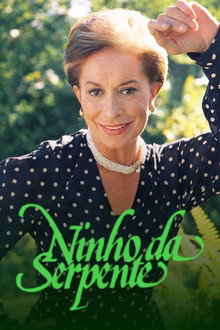
Ninho da Serpente
The traditional Taques Penteado clan is intimately linked to the history of São Paulo itself and is considered a significant representative of the São Paulo business world. Ill, Cândido Taques, brother of the matriarch Guilhermina Taques Penteado, lived isolated from everyone on the third floor of the family mansion in the elegant Jardim Europa neighborhood. Cândido's death puts the clan members on alert, awaiting his inheritance: a large fortune in cash, jewels, and stocks. The dispute over the inheritance, in an environment dominated by Guilhermina, and the game of interests among heirs unleash several conflicts, generating an atmosphere of oppression. The characters reveal themselves through their greater or lesser commitment to gaining access to the fortune. Some show no scruples whatsoever in obtaining it, while others, more skillful and diplomatic, resort to less petty means: they seek, for example, to take advantage of a close relationship with the matriarch.
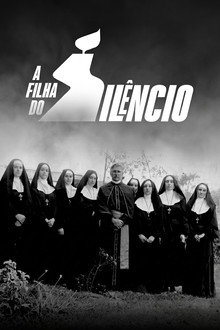
A Filha do Silêncio
Late 19th century, shortly before the Abolition of Slavery. On the Santa Júlia Farm, located in the municipality of Rio Verde, in the interior of São Paulo state, lives Colonel Agenor Dias de Souza with his wife Cândida and their two daughters, Leonor and Luíza, in a mysterious environment haunted by ghosts of the past. A tragedy hides a great mystery, because of which the only witness, Cândida, became paralyzed and mute. Always doubting his wife, Agenor doesn't believe that Luíza is, in fact, his daughter. Therefore, he maintains a morbid relationship with Cândida, without caring about increasing her suffering. The colonel's doubt will be clarified when the secret, contained in the diary hidden in the clock case, is revealed. In this whole plot, a third person is fundamental: Laura, who pretends to be Cândida's friend, but is not.

Acorrentada

Venha Ver o Sol na Estrada

Independence or Death!
The story of how D. Pedro I proclaimed the Brazilian independence on September 7th, 1822, and rose from prince of Portugal to first emperor of Brazil.

Anuska, Manequim e Mulher
An aspiring model leaves her wealthy middle-aged lover for a handsome young writer. But as her career takes off, their relationship gets worse.

Memórias do Grupo Opinião
Follows the story of Opinião, a theatre group created in 1964 during the early Brazilian dictatorship period to oppose the government through artistic performances. Considered the first left-wing response to the dictatorship, the group gathered now famous Brazilian artists such as Nara Leão, Maria Bethânia, João do Vale and Millôr Fernandes.

Desire Machine: 60 Years of Teatro Oficina
In six decades, Teatro Oficina has done more than revolutionize theatrical language in the country: the aesthetic influence of José Celso Martinez Corrêa's company extends from Tropicalism to the renewal of Brazilian audiovisual languages from the 1960s onwards. The film revisits a story that it involves personalities such as Caetano Veloso, Glauber Rocha, Lina Bo Bardi, Chico Buarque and Zé do Caixão, brings together scenic art, ecology, architecture and sexuality, and mixes art and life in the search for a Brazilian based language.
