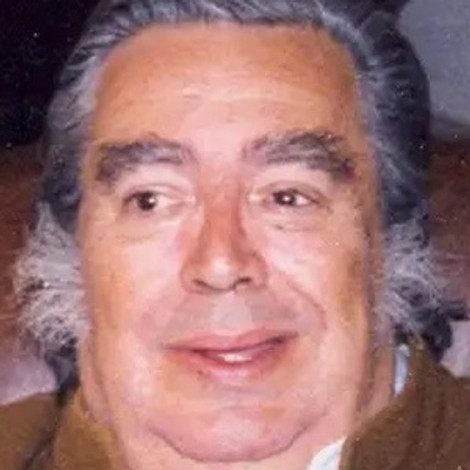
Personal Info
Known For
Gender
Birthday
Place of Birth
Rui Luís
Known for

Desencontros

Passerelle
The soap opera tells the story of two families: Cardoso and Guimarães whose bosses are, one of them, bank manager and the other owner of a textile factory, linked to the world of fashion.

Palavras Cruzadas

Keeping Up Appearances
A snobbish housewife is determined to climb the social ladder, in spite of her family's working class connections and the constant chagrin of her long suffering husband. Portuguese remake of the British classic Keeping Up Appearances.

Blue, Blue
The Alentejo, 1980s. Luísa, still young, manages a family-inherited rural estate on her own. Although she has the support of her brother Alexandre, another sister, and her brother-in-law, the farm’s survival becomes increasingly difficult. While her brother-in-law advocates for transforming the estate into a luxury tourist retreat, Luísa resists the pressure to modernize. Meanwhile, Miguel, a young farmhand, falls in love with the landowner—whom everyone calls "the noblewoman"—in a relationship defined by class differences and the weight of tradition.

Lá em Casa Tudo Bem

As Lições do Tonecas

O Espírito da Lei
Paraíso Perdido
Cristina is twenty years old. Her father was declared missing in action during the war in Angola many years before. One day in church the girl meets a man about fifty years old who tries various times, unsuccessfully, to make the sign of the cross. The man is called Cristovão. A few days later the two meet again. The man offers to help her look for her father. A relationship based on memories and confessions is formed between them. But soon they each return to their own solitude.

Senhores Doutores

Camilo, O Pendura
After the passing of his wife, Camilo, an elderly man, goes to his son and daughter-in-law's house and starts living with them, to their great misfortune.


Manhã Submersa

Word and Utopia
The story of Father Antonio Vieira, a 17th-century Portuguese priest who lived in Brazil and worked for better treatment of the Indians and to abolish slavery.

Love Torn in a Dream
A serious young man of free spirit is forced by his surroundings to become rich at all costs. A group of blind children tries to open the eyes of the unbelievers to the Christian faith. Retired nuns who open a brothel, to pay the running costs of the convent. These rather ironic paradoxes turn this fairytale into a philosophical fable.