Personal Info
Known For
Gender
Birthday
Place of Birth
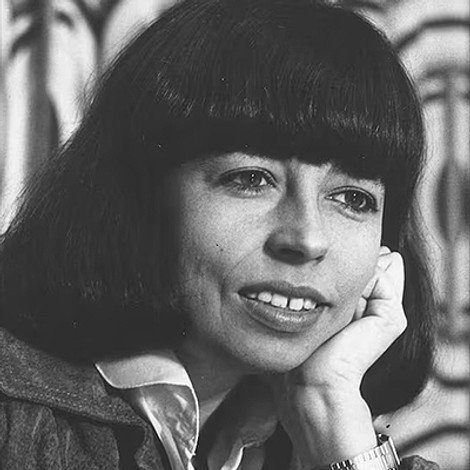
Nara Leão
Biography
Known for

The Trapalhões
Os Trapalhões was a Brazilian comedy group and also a Brazilian television series created by Wilton Franco. Its members were Dedé Santana, Zacarias, Mussum and their leader Didi Mocó, that was played by Renato Aragão. The name Trapalhões is derived from the Portuguese verb atrapalhar, which means the opposite of helping, to do something the wrong way or to Those that confuse. The name is translated "Tramps" in English DVD subtitles. It was aired by Rede Globo from 1977 to 1999. On March 18, 1990, Zacarias died due to respiratory failure, but the group and the series didn't come to an end until July 29, 1994, when Mussum died due to an unsuccessful heart transplant.

Companhias do Teatro Brasileiro
The series Companhias do Teatro Brasileiro (Brazilian Theater Companies) offers a documentary overview of the evolution of theatrical art in Brazil. The history of Brazilian theater is told through the testimonies of artists, historians, and researchers. Drawing on extensive archival material—including photographs, as well as audiovisual and audio recordings—the series revisits influential companies and groups such as Cia. João Caetano, Teatro Brasileiro de Comédia, Teatro Experimental do Negro, Teatro Oficina, and Grupo Galpão. Across 15 episodes, the series showcases these iconic groups, highlighting their artistic styles, repertoires, and the work of their actors and directors.

Tropicália
Set against the turbulent atmosphere of the 1960s, Tropicália is a feature length documentary exploring the Brazilian artistic movement known as Tropicália, and the struggle its artists endured to protect their right to freely express revolutionary thought against the traditional Brazilian music of that time.

O Canto Livre de Nara Leão
Nara Leão revolutionized Brazilian music, broke prejudices, confronted the military dictatorship, opened paths for women. All this without changing the tone of her voice.

Dunas do Barato
A rescue of the history of Ipanema beach in the 1970s, when the construction of a pier changed the landscape and created fertile soil for a generation of artists and sportsmen.

The Lyre of Delight
During the Carnival, in Niterói, the son of a Lira do Delírio nightclub dancer is kidnapped. With the help of a journalist friend, she dives into Rio de Janeiro's underworld and meet all kind of criminals. She also goes back in time, to a past carnival, where she thinks she might pin-point the culprit among a group of people.

Infinita Tropicália
Tropicália was a Brazilian cultural movement that occurred between 1967 and 1968, inspired by Oswald de Andrade's anthropophagic ideals, pop art and the concretism. Twenty years later, this film revisits the movement and shows that Tropicalismo will never die.

The Girl from Ipanema
Chronicles the life of a 17 year-old girl living in the upper-class Rio de Janeiro neighbourhood of Ipanema. Márcia lives a life of parties and spend her days among bohemians, musicians and intellectuals. While seeming happy in the outside, she's extremely anguished inside. Based on the famous song by Antonio Carlos Jobim and Vinicius de Moraes.

Dominguinhos
Through rare and precious footages and gigs with great artists such as Gilberto Gil, Gal Costa, Hermeto Pascoal, Djavan, Nara Leao, Luiz Gonzaga, among many others, "Dominguinhos" reveals this genius of Brazilian music, creator of a deeply authentic, universal and contemporary work. The film values the sensory cinematic experience, a journey driven by Dominguinhos his own.

The Girl From Ipanema: Astrud Gilberto, Queen of Bossa Nova
The Girl from Ipanema charts the progress of bossa nova (new wave), and the Brazilian singer Astrud Gilberto's musical development and rise to fame. Best of all, at the end of the documentary the mature Astrud answers the question that must surely be on every viewer's mind: Was she sick to death of singing The Girl from Ipanema?

Um Homem Célebre

Coisa Mais Linda - Histórias e Casos da Bossa Nova
Documentary about the birth of bossa-nova, in Brazil, and the major stars of this musical style.

Fantasia para Ator e TV

When Carnaval Comes
Music manager has to get three of his artists together for a special show, but soon finds out it isn't an easy task.
