
Personal Info
Known For
Gender
Birthday
Place of Birth
Dorottya Udvaros
Known for
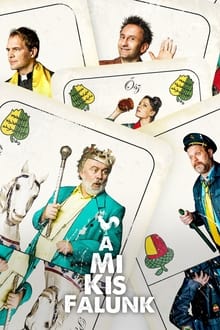
A mi kis falunk
The amusing everyday life of a small, stereotypical Hungarian village focusing on a corrupt mayor, a bodybuilder priest, a hot bartender girl, a dumb police officer, and a womanizing football coach.
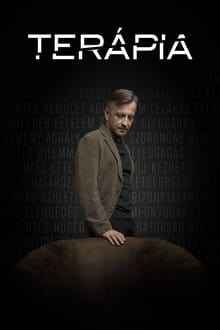
In Treatment
Exploring one of the defining features of modern society, therapy, as seen through the eyes of a psychiatrist whose professional and personal life is on the verge of collapse.

Colonel Redl
Set during the fading glory of the Austro-Hungarian empire, the film tells of the rise and fall of Alfred Redl, an ambitious young officer who proceeds up the ladder to become head of the Secret Police only to become ensnared in political deception.

Valami Amerika
Kávéház
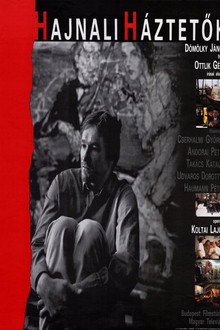
Roofs At Dawn
1956. Bébé is a painter, but he has not worked for years. The news arriving form Paris about the death of his childhood friend, Halász Petár affects him deeply, but his reflections are continually disturbed by telephone calls: the Alliance for Fine Arts wants to purchase one of the popular self-portraits of Halász.
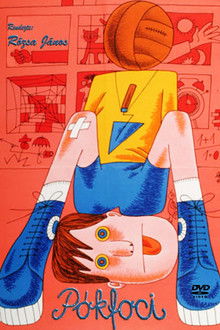
Spider Football
This satire on film depicts the micro-climate of a technical vocational school newly established at a housing estate. The construction vocational school holds a name-giving ceremony, thus calling the attention of its supervisory organ to itself. The school-master distributes as well as receives presents from the sponsoring factory, and the pupils sit for a written examination of unheard-of material. The results are devastating, which the despotic school-master attempts to conceal by a staged disciplinary procedure.

Cat Call
A girl in her thirties who lost all her hope in finding love meets a black cat, who can talk, but only the girl can hear it.
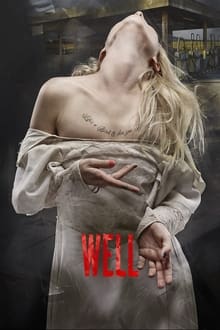
Primal
At a gas station in the middle of nowhere, a young man arrives to meet his father he hasn't seen for 30 years. On the same day, a van with four prostitutes breaks down at the very same gas station, on the way to Switzerland. The three days they spend together in the station change their lives forever.
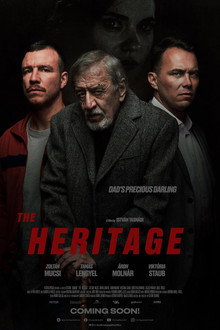
The Heritage
Árpi (known to his sons simply as “Boss”) has been living alone for years after losing his wife, with whom he spent more than fifty years. In recent months, Árpi has spent practically all of his savings. His two sons, Attila and Kristóf, only realize this when the old man’s electricity is cut off due to his accumulated debt. This is more than strange for the elderly man, who lives a modest life, but he refuses to say a word about where the one and a half million forints went. Attila and Kristóf work together to coax the truth out of him: he gave the money to Hajnalka, a young woman with a difficult past. But who is this Hajnalka, whom they’ve never heard of before? The old man claims he’s in love. The boys claim the old man is being taken advantage of. Everyone clings to their own version of the truth. But the truth must be uncovered. The longest night of their lives begins. And even Hajnalka appears at the front door.
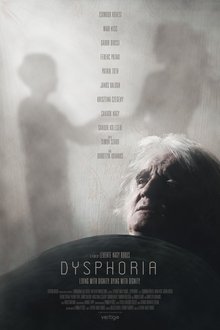
Dysphoria
Bence - who is a member of his father’s petty crime organization – goes to his grandparents over the weekend. He is there to say goodbye to his demented grandfather and to provide some help to his grandmother, Magda with the old man’s caretaking. While he is with them Bence has to confront some unpleasant truth about the family’s collective past, and he also realizes the violence he casts on others follows him everywhere.
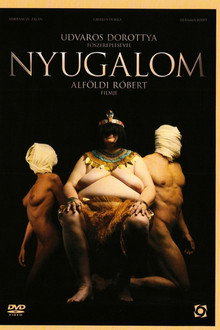
Where Were You, My Son?
Set in a large apartment in Hungary during the death throes of communism, obedient Andor lives with his eccentric mother, Rebeka, a once-celebrated stage actress-turned-recluse. After years of coexisting in a love-hate relationship marked by routine and possible incest, Andor brings home Eszter, a beautiful girl his own age. Her advances awaken Andor's repressed desires, the depths of which prove shocking. Opera director Robert Alfoldi renders this bizarre story in a melodramatic style, and veteran Hungarian stage star Dorottya Udvaros rises to the occasion. If you can imagine the intersecting area on a Venn diagram that includes Taxidermia and Sunset Blvd., that's where Where Were You, My Son? was born. The original title, Nyugalom, which translates to Tranquility, is ironic to say the least. ...over the-top...memorable...thunderous...sex and violins (Variety).
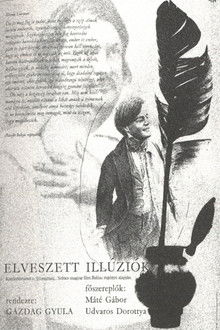
Lost Illusions
Via the New York Times: "The Hungarian director Gyula Gazdag has transposed the middle section of Balzac's "Lost Illusions" from Paris in the mid-19th century to the Budapest of 1968... it tells of Laszlo Sardi - Balzac's Lucien Chardon - and his efforts to launch his literary career amid the snobbery and sophistication of a big city."
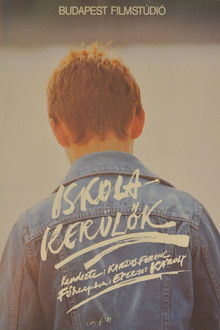
Truants
In the country reformatory school both the teacher and the children are trapped by the circumstances. From among the pupils excels Sanyi, who cannot accept the fact that his mother does not love him and he keeps on escaping after her. From among the teachers it is Mr. Csőrös who distinguishes himself by listening to the children, looking for those who escaped, Sanyi feels affection to him.

Gone Running
After the death of her husband, a mother decides to fulfill his last wish and runs the marathon in relays with her daughters. A small problem is that none of them are physically and mentally prepared for running. Furthermore, the relatives and friends are also unexpectedly affected by the women's seemingly impossible challenge.