
Personal Info
Known For
Gender
Birthday
Place of Birth
Mariana Levy
Known for
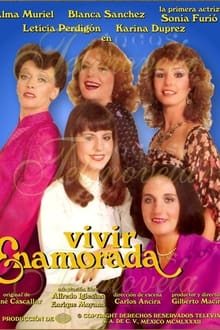
Vivir enamorada

En carne propia
The year is 1972: Magdalena Dumont and Octávio Muriel are celebrating the birthday of their daughter, little Estefanía, at a party in the family mansion. However, this party is merely a backdrop and an opportunity to commit a crime.
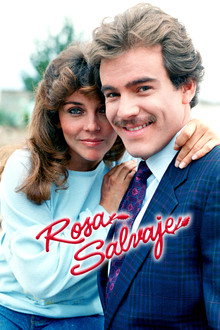
Rosa Salvaje
The drama tells the story of Rosa, who lives with her godmother in a very poor neighborhood; she is a simple girl who dresses like a boy. She was abandoned by her mother, Paulette. One day, Rosa goes to a mansion to steal apples and meets the owner of the house, Ricardo.

Amor Real
True love threatens to tear a family apart in this epic Mexican serial set in the 1800s. Rich and beautiful Matilde falls in love with Adolfo, but her mother, Augusta, disapproves of the relationship when she learns Adolfo is poor. Augusta forces her daughter to marry rich and handsome Manuel Fuentes Guerra, but Matilde plays with fire by continuing to be with Adolfo. Adela Noriega, Fernando Colunga, Helena Rojo and Chantal Andere star.

Yo compro esa mujer
In the early 20th century, the Montes de Oca family—comprising two sisters and a cousin—finds itself entangled in an intense love triangle. Matilde is in love with her cousin Rodrigo, who loves the other sister, Branca Flor; she, in turn, loves a humble fisherman. Upon discovering this, Rodrigo accuses the fisherman of theft, leading to his arrest. The lovestruck cousin’s malice knows no bounds; learning that Branca Flor is carrying the fisherman's child, he waits for the baby to be born so he can make it disappear.
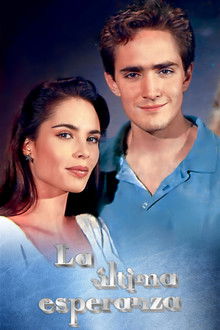
La última esperanza
La última esperanza is a Mexican telenovela produced by Eugenio Cobo for Televisa and originally broadcast on Canal de las Estrellas from February 1 to May 14, 1993. It is a remake of the 1973 Mexican telenovela Muñeca, which was itself based on the 1971 Argentine telenovela Así en la villa como en el cielo, created by Abel Santa Cruz. The story follows Estelita Suárez, a kind-hearted young woman who lives in the impoverished neighborhood of La Última Esperanza while caring for her alcoholic father. Her life changes when she meets Daniel Burana, a wealthy young man who disguises himself as a poor resident to win her love. As their romance blossoms, they must confront family greed, corruption, and betrayal while fighting to protect their community from those determined to destroy it.
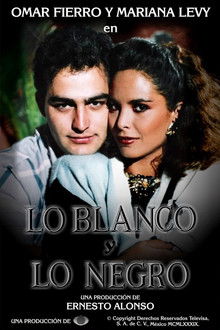
Lo blanco y lo negro

Bendita Mentira
Bendita Mentira is a Mexican telenovela produced by Jorge Lozano Soriano for Televisa and originally broadcast on Canal de las Estrellas from August 5 to December 6, 1996. It is based on the radio serial La madrastra, created by Inés Rodena, and was adapted for television by Celia Alonso and Andrea Ordóñez. The story follows Esperanza, a humble housekeeper who works for the wealthy de la Mora family. Unknown to everyone, Diego—the young man who despises her—is actually her biological son, having been raised to believe the de la Mora family are his true parents. As long-hidden secrets begin to surface, Esperanza must confront prejudice, betrayal, and painful truths while fighting to reunite her family and find happiness.

La Pícara Soñadora
La Pícara Soñadora is a Mexican telenovela shown in 1991, based on a 1956 Argentine film of the same name directed by Ernesto Arancibia. This telenovela contains 80 episodes and stars Dina de Marco, Irán Eory, Eduardo Palomo, and Mariana Levy.
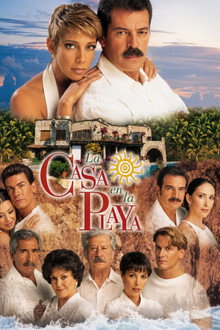
La casa en la playa
La casa en la playa is a Mexican telenovela produced by Yuri Breña and Pinkye Morris for Televisa and originally broadcast on Canal de las Estrellas from April 10 to July 7, 2000. The story follows the wealthy Villarreal family after the death of its patriarch, whose final wishes ignite conflicts over inheritance, power, and loyalty. As hidden secrets and old rivalries emerge, the family becomes entangled in a web of love, betrayal, ambition, and revenge.

Caminos cruzados
Mexican telenovela remake of the Brazilian soap opera "Todo o nada". Patricia is a sensitive and intelligent woman who begins to work in the firm of Ambrosio and César Augusto (father and son). They both fall in love with her, but César Augusto breaks off his relationship with his girlfriend, Valeria and marries her. Patricia and César Augusto will separate, however, they will meet again later having totally different lives: she is a working woman and he is married to another woman.

Martín Garatuza

Rayito de luz
Rayito de luz is a Mexican children's telenovela produced by Rosy Ocampo for Televisa and originally broadcast on Canal de las Estrellas from December 11, 2000, to January 5, 2001. It is based on the novel Marcelino pan y vino by José María Sánchez Silva. The story follows Juan de Luz, an abandoned boy who is found and raised by a group of monks in a small village. Known as "Rayito" for his cheerful spirit, he brings hope and joy to everyone around him while dreaming of one day meeting his mother.

Cut-Off
Laly and Julia's girls-weekend-out with their flings rapidly turns from an idyllic escapade into a hellishly long nightmare when they discover that the guys' intentions are anything but good. When they realize they might be in trouble, it will be too late before the terror unleashes and forces the girls to survive the night all alone, with no others there to help them escape.