Personal Info
Known For
Gender
Birthday
Place of Birth
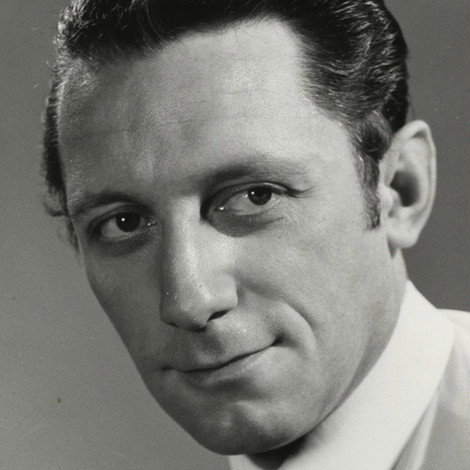
Lajos Őze
Known for

Vivat Beňovský!

Egy óra múlva itt vagyok…
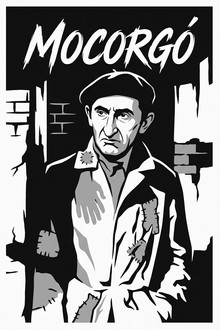
Mocorgó
Mocorgó, the well-meaning worker boy, is a tough guy. In his 40s he is still a mechanic's apprentice, but he is disappointed by his family, women and friends, and becomes a criminal. He goes to prison several times and tells the story of his life to the writer, who follows his story until 1956, until Mocorgó's death.

A Sunday in October
The film is a true account of the drama of "non-action" on 14th and 15th of October, 1944. The Nazis, having a straightforward program, occupy Hungary with little or no difficulty, as the Hungarian political leadership had no unambiguous program for responding to possible steps of the Nazis. In spite of the secretly signed cease-fire agreement and proclamation, Horty gives up all plans of resistance at the news of the kidnapping of his son. The Nazis take over power and roll up the so-called conspiracy aimed at Hungary's breaking away from the German alliance.

Twenty Hours
In 1956, a crusading newspaper reporter covers the Soviet invasion of Hungary. Initially critical of the communists, the feature later espouses the virtues of social changes implemented since the invasion.

Innocent Assassins
Two arts students, András and Viktor who are writing their thesis on detective stories, make up a story and keep nagging the famous film-director, who just came back from Hollywood, until he undertakes the job. At night they work on the film, in which two youths kill a director returning from the US. In the morning the director is found dead - a knife in his back.

It's all Moonshine
Hungary in the 1930s. The world suddenly changes around the peaceful office-clerk and regular, average petit-burgeois Kornél Cassius. Friends and relatives turn up in his home, who soon establish themselves there and even take the upper hand. They continue to arrive in increasing numbers, and turn the well-known objects and patterns of relationships upside down.

Birdies
The heroines of this lyric comedy full of burlesque elements are two girls from a village who get totally engrossed in their day-dreaming. Ida and Rozi escape to the city to catch husbands for themselves.

Time Stands Still
In 1956, István Köves defects after the revolution is crushed; his family stays behind. Seven years later, the older son is preparing for medical school, while the younger, Dini, is out chasing girls and rebelling. He is in love with Magda Szukics and idolizes Pierre, the school’s rebel. American rock and roll blares at the parties.

Collision
Terpinkó, the bragging man of muscle likes womanising linked with betting: conquering is a great fun for him. He bet one to a hundred on his new boss, Éva. But the wife of the engineer handles all his tricks with annoying benevolence. Terpinkó falls in love with her and therefore he cannot stand her not returning his feelings.

Az eltűnt miniatűr

N.N. the Angel of Death
The two main characters of this ironic account of the general condition of intellectuals are the charming psychologist, Korin György, and the unexpected. Korin starts a television series of people in their 40s. In the afternoon just after the first section, however, he is reported to be dead as a result of a rather strange accident. Everything turns upside down.

Knight of the TV-screen
This mocking criticism of public life and the media focuses on a TV series. The protagonist of the film, depicting the battles fought for Hungarian castles during the Ottoman occupation, is chosen to be the amateur Prohászka Feri, a worker in the beer-factory.
