Personal Info
Known For
Gender
Birthday
Place of Birth
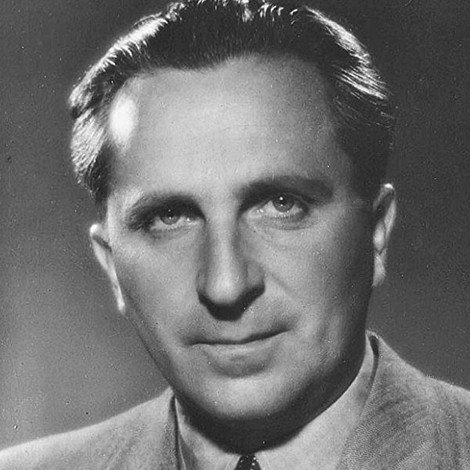
Antal Páger
Known for

Vivat Beňovský!

Drága kisfiam!

A Rose Garden of Six Acres
Aunt Ilka, who likes company, opens her house standing in the middle of a six-acre rose garden in the little town for the golden youth of the town. As a result of her benevolence, the tenants are in the position to adore not only the roses but a nice bunch of to-be-married girls of the town.

Summer Rain
Miskei, the popular and dynamic president of a co-op falls in love with Mari, the attractive wife of the elderly Pató. The deeply feeling woman is fed up with the service beside the haughty land holder, she is longing for tenderness and a child. The passion of Miskei is growing when he sees how crudely, humiliating Pató treats her. During a powerful summer shower, when chance brings them together in an abandoned press house, he storms on Mari confessing love. The woman refuses him bitterly. Miskei calms down and he keeps on expressing his love and high esteem with the woman by steadfast and tiny compliments. Early one morning Mari leaves her husband and sets off to the city to learn and to begin a new life.

Closed Court
dr. Benedek Gábor, a famous solicitor in Eger, is the defense counsel of a murderer, who killed his wife out of jealousy. Gábor lives in a happy marriage with Anna. One day, however, Szentgyörgyi Péter, a famous pianist, comes to Eger. He once was loved by Anna, who in those days was training to become an artist herself. Gábor has no knowledge of these events of the past. He, therefore, associates the now renewed relationship with the story of the murderer he is the legal representative of.

A Rainy Sunday
A new teacher arrives at the secondary grammar school. The girls are all crazy for the handsome, blonde young man, except for the most excellent pupil, Balázs Ági. Yet Pali starts paying his attentions to no one else but her.

Twenty Hours
In 1956, a crusading newspaper reporter covers the Soviet invasion of Hungary. Initially critical of the communists, the feature later espouses the virtues of social changes implemented since the invasion.


Yesterday
October, 1956. Colonel lieutenant Szabó sends a platoon with the mission of calming the people demonstrating in the town. The platoon is lined up under the command of Lieutenant Csendes and the soldiers aim at the demonstrators. Szusza Kis changes sides, and Csendes is unable to shoot at his childhood mate. They withdraw.

It's all Moonshine
Hungary in the 1930s. The world suddenly changes around the peaceful office-clerk and regular, average petit-burgeois Kornél Cassius. Friends and relatives turn up in his home, who soon establish themselves there and even take the upper hand. They continue to arrive in increasing numbers, and turn the well-known objects and patterns of relationships upside down.

Villa Negra
A past world is revived in the little cottage in the outskirts, next to the housing blocks under construction. Tamburás, the old hobo collects swerved youth: Diák, who desires freedom, the bus driver who is deprived of his license for having run over someone, and the rest. They have got an easy and unbound life there, with constant music, small thefts, occasional labour, tricks.

Witches' Sabbath
To celebrate Sleeping Beauty's awakening, the cruel stepmother organises a dress-ball in the Wonder Castle and invites the characters of all tales and their two fathers, the Grimm-brothers. The stepmother announces total peace, but in fact she is preparing for a coup d'état with a phoney prince, a phoney Sleeping Beauty, through intrigue and violence in order to change the tales.

Abhorrence
Nelli, the icy, introverted farm girl, needs to find a husband following her father's death. She accepts the attentions of the noisy Takaró Sanyi, although she is more attracted to his silent and modest younger brother.

The Golden Kite
The film is put at the beginning of the century in Sárszeg, following the humiliation and collapse of a high-school teacher.
