Personal Info
Known For
Gender
Birthday
Place of Birth
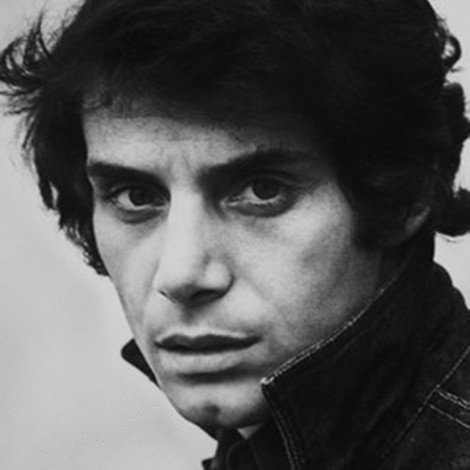
Josef Laufer
Known for

Die ZDF-Hitparade
The ZDF-Hitparade, or Hitparade for short was one of the most popular and most well-known music television series presenting mostly German Schlager.

Ohnivý kuře

We love Czechia
Ein Kessel Buntes
The show was meant to compete with those on West German television. To this end it was fairly successful even attracting a following in parts of West Germany which could receive Eastern TV. Its production values were high. Apart from song and dance numbers and appearances from East German celebrities, almost every broadcast featured well-known stars from the west, often after their popularity had peaked in their home countries.

Vyprávěj
Set in Czechoslovakia, the drama follows the lives of its characters against the backdrop of real historical events that shape their personal stories. To evoke period atmosphere, the series intersperses authentic clips from vintage Czechoslovak film newsreels, using their original commentaries or newly recorded historical voice-overs by Vladimír Fišer. A narrator, initially voiced by Vojtěch Kotek and later by Matěj Hádek, provides continuity and reflection, guiding viewers through changing times. Under the guidance of screenwriter Rudolf Merkner, each episode’s script weaves family and individual dramas into key moments of Czech and Slovak history: political shifts, cultural trends, and social transformations from the 1960s onward.

Zirkus Humberto

Možná přijde i kouzelník
4-3-2-1 Hot and Sweet

Dobrá čtvrť

Píseň pro Rudolfa III.
Night-Club

Inženýrská odysea
Inženýrská odysea is a Czechoslovak/Czech TV series about three young students and their lives.
Cesta za hvězdným prachem

Karel je Gott

The Last Butterfly
Stage mime Antoine Moreau is compelled by the Gestapo to put on a performance for the children of Terezin, a "model" concentration camp, to convince the Red Cross observers that the camp is truly what it seems. Reluctant at first, Moreau slowly learns the true nature of the camp, including the meaning of the "transports" on which people leave. With a world-class orchestra (made up of people interned in the camp) and a cast of children, Moreau stages a show to end all shows.