
Personal Info
Known For
Gender
Birthday
Place of Birth
Norma Ruiz
Known for

Cuéntame cómo pasó
Recounts the experiences of a middle-class family, the Alcántaras, during the last years of the rule of Francisco Franco and the beginning of the Spanish Transition to democracy.

Yo soy Bea
Yo soy Bea is a Spanish television comedy-drama series which aired on Telecinco from 10 July 2006 to 16 August 2009. The series is an adaptation of the popular Colombian telenovela Yo soy Betty, la fea. Ruth Núñez played the title role of Beatriz "Bea" Pérez Pinzón and Alejandro Tous played Álvaro Aguilar, Bea's love interest. Yo soy Bea translates to "I am Bea"; it is a pun, with "Bea" sounding like bella, meaning pretty, and like fea, meaning ugly. The Spanish adaptation screened weekdays during the daytime and pulled in, on average, over four million viewers. The series' record is a 42,1% share. It was Spain's top rated daytime programme.

La que se avecina
La que se avecina is a Spanish television comedy created by Alberto Caballero, Laura Caballero and Daniel Deorador. The TV-series focusing around the inhabitants of Mirador de Montepinar, a fictional building located on the outskirts of a big city. Both its storylines and cast are heavily based on Aquí no hay quien viva, which ended when Telecinco bought Miramón Mendi, the series production company. The episodes debuted on the Telecinco network, and were later rerun by the same network as well as cable/satellite channels FactoríaDeFicción and Paramount Comedy. The series debuted in 22 April 2007 and became popular thanks to its funny characters, witty script, use of catchphrases and capacity to integrate and poke fun at contemporary issues; the program presents a caustic satire of many of the 'types' found in Spanish society. The name of the show involves wordplay, as "vecina" is the Spanish word for neighbour.

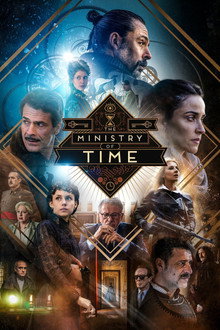
The Ministry of Time
A soldier from the 15th century, a university student from the 19th century and a nurse from the present join the secret 'Department of Time', a secret department within the Spanish government with the ability to travel through time. Their mission is prevent changes in history.

Tres de más

The Countryside
A group of urbanites flee the city for different reasons: existential, economic crisis, need for fresh air, search for peace, inspiration to compose ... The intention of these strangers is to settle in an abandoned town and start their lives from scratch, but when they arrive they discover that there are still some neighbors: rural people with a very different way of seeing life.
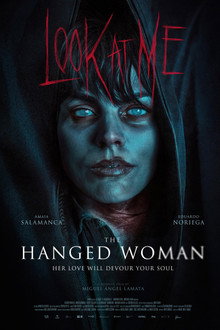
The Hanged Woman
Rosa Martín, a singer-songwriter known as La Ahorcada, takes her own life in the garden of the man she loved, Fran, who treated her as nothing more than a sexual object. The ghost of La Ahorcada remains in Fran's mansion, refusing to be ignored and determined to teach him a lesson. Her obsession will end up turning the lives of Fran and his family into a living hell.


El hombre de tu vida

Rocío Dúrcal, volver a verte
A biographical miniseries on the life of Spanish singer and actress Rocío Dúrcal.

Cuñados

Lord, Give Me Patience

I'm Gonna Disappear
Rocío and David are two siblings who meet again after ten years without seeing each other. David has been incarcerated all this time. When he takes advantage of a prison furlough to escape with his sister to Puerto Plata, the tourist town where they used to spend the summer as a family, they reconnect, recovering memories and making up for lost time.
