Personal Info
Known For
Gender
Birthday
Place of Birth
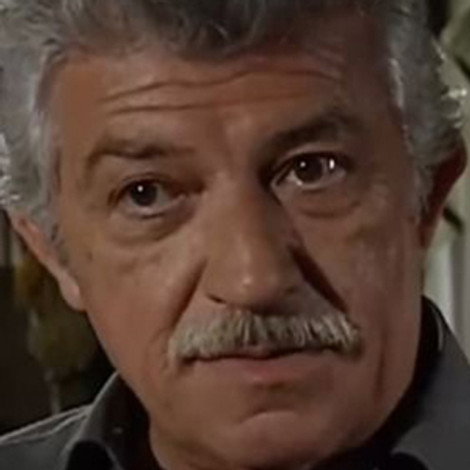
Salim Sabri
Known for

Bab Al-Hara
A modern classic of Arab television. A social drama set in the 1920s in Damascus- It highlights Damascene life, noble values, and ancient customs and traditions represented by the people of Harat al-Dabeh who fled to Harat al-Salihiyah after the French bombed Harat al-Dabeh. The events take place after the gold is stolen from the house of the cloth merchant Abu Ibrahim, and the guard Abu al-Samu is killed. The men of the neighborhood try to find the thief.
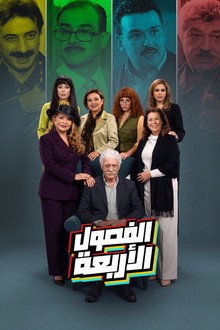
The Four Seasons
Damascus in the late 1990s. Kareem and Nabila are raising five very different daughters — each with her own personality, ambitions and complications — alongside a scene-stealing aunt Jamila. Every episode centres on a family issue that brings everyone together to argue, laugh and muddle through. Warm, witty and deeply rooted in Syrian daily life, it remains one of the most beloved family comedies in Syrian television history. Stars Jamal Suleiman and Khaled Taja.

The Leader
In 1918 Damascus, after the downfall of the Ottoman Empire and before the French colonization of the country, six Damascene neighborhoods decide to choose one head to rule over them, only for clashes over the throne to crystalize and extend.

Memories of the Next Era
Matar disappears under mysterious circumstances for 20 years, during which everyone has believed he had died a martyr. However, he returns in a new form and builds a financial empire amidst the mystery surrounding the source of his wealth. Using the spider's method, he tightens his grip on everyone and exploits them to achieve his goals of doubling his wealth and taking revenge on his past friends.

Palestinian Alienation
The first comprehensive dramatic telling of the Palestinian Nakba, seen through the eyes of a poor rural family from the 1930s British Mandate era through the massacres of 1948 and the defeat of 1967. Written by Palestinian poet Walid Seif — based on his own family history — and directed by the late Syrian master Hatem Ali, this is widely considered one of the greatest Arab television dramas ever produced. A monumental work of collective memory, historical witness and human endurance.

Al Khawali
The story of Nassar Ibn Oraibi, a fighter against injustice, that sheds light on the life in the Damascus neighborhood and the role of one woman who becomes responsible for the house and her four daughters in light of her husband's absence during the Hajj.
AlMazar neighborhood
The Syrian series *Hay Al-Mazar* unfolds within a social framework that reflects the daily lives of the residents of Hay Al-Mazar. It explores various humanitarian and social issues, including family relationships, class struggles, and the challenges faced by characters in a rapidly changing environment.

Roses in salty soil
The life and suffering of seven girlfriends in our modern society, as each has her own demands and hopes, from searching for work, to achieving self-fulfillment, human dignity, and balanced living psychologically and socially.

The Age of Shame
Having spent most of her 20s taking care of her sick mother and her family's household, a sexually repressed woman elopes and has to face the hypocrisies of middle eastern society.

Love Has Decreed
The series discusses the stories of young university students, their reality during their studies, and the hardships and unknown fate they endure after graduation.

Sert Alhob

Takht Sharqi
The story of four young men who were high school classmates. Despite the differences in their understanding of life, their work and their tendencies, they somehow share something in common, as their destinies intersect to tell a story about love, friendship and the double standards of morality.

Al Thuraya
Akkash is a nationalist resistance fighter against Ottoman rule in Syria. Thuraya, the daughter of the wealthy Turkish aristocrat Ismail Pasha, falls in love with him, and he loves her in return. Determined to be with him, she is willing to sacrifice everything, including her family and privileged position in society.
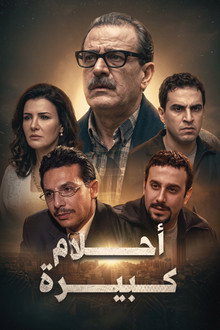
Big Dreams
The Halaby family works in trade. When the father decides to write all his property over to one of his sons, the two brothers clash, until the eldest brother falls ill, and his younger son is forced to give up his ambition to take care of their business.
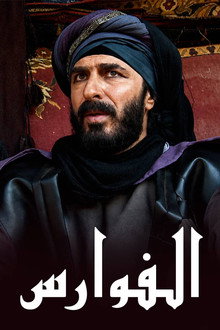
The Knights
The series revolves around the historical conflict between the Arabs, Persians, and Romans in the Levant during the pre-Islamic period, and highlights the relationships of friendship, love, jealousy, and enmity that unfolded during the war.