Personal Info
Known For
Gender
Birthday
Place of Birth
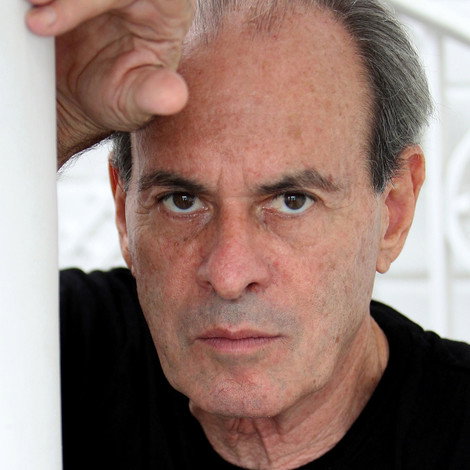
Ney Matogrosso
Biography
Known for

The Trapalhões
Os Trapalhões was a Brazilian comedy group and also a Brazilian television series created by Wilton Franco. Its members were Dedé Santana, Zacarias, Mussum and their leader Didi Mocó, that was played by Renato Aragão. The name Trapalhões is derived from the Portuguese verb atrapalhar, which means the opposite of helping, to do something the wrong way or to Those that confuse. The name is translated "Tramps" in English DVD subtitles. It was aired by Rede Globo from 1977 to 1999. On March 18, 1990, Zacarias died due to respiratory failure, but the group and the series didn't come to an end until July 29, 1994, when Mussum died due to an unsuccessful heart transplant.
Chico Anysio Show
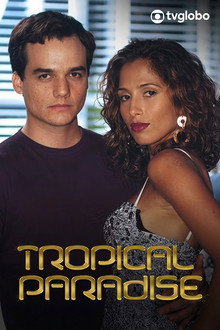
Tropical Paradise
The search for a successor provokes the beginning of a clash between two young and talented executives of his group: Daniel Bastos, a lad of simple origins and excellent character, who is not only handsome and charming, but also intelligent and skilled, and Olavo Novaes, an ambitious and unscrupulous man who is ready to fight for the position, at any cost. To fight against Olavo‘s treacherous plans, Daniel will have the help of the sweet and sensitive Paula, a young lady raised as an only child who founds, on the eve of her mother‘s death, that she is adopted and has a family. What Paula does not know is that she has an identical twin sister, the wicked Taís, who is as ambitious and unscrupulous as the man who becomes her main ally, Olavo Novaes. Antenor, for his part, decides on having an heir when he meets the headstrong and honest Lúcia, a woman who will make this cold businessman find true love is and a real reason to live.

Conversa com Bial
Journalist Pedro Bial discusses the most important current news in Brazil and in the rest of the world.

3%
In a future where the elite inhabit an island paradise far from the crowded slums, you get one chance to join the 3% saved from squalor.

O Som do Vinil

Hebe

Grandes Nomes

Dzi Croquettes
A Brazilian theatre group that through talent, irony and humour confronted the Brazilian violent dictatorship in the 1970s revolutionising the gay movement worldwide and changing theatre and dance language to an entire generation.

Angélica: 50 & Uns
In a spin-off centered around men, in each episode, Angélica meets with famous guests to discuss topics rarely discussed by them in public.

Sem Vergonha
Since her historic participation in the International Song Festival in 1972, in a performance that would earn her the Honorable Mention award, Maria Alcina has become one of the most beloved figures in Brazilian music.

Yorimatã
The lives of Luhli and Lucina, two especially important artists in the alternative cultural scene during the 1970s. In a time when transgression, love and peace guided behavior, we discover the love of two women for art, their spiritual universe, their lives in community and their three-way relationship with photographer Luiz Fernando Borges da Fonseca.

Caramujo-Flor
Film based on Manoel de Barros poetry. Story about poet's life in the swamp area of Brazil (Pantanal) and its wildlife; & his obsession with the sea and his new life in the big metropolis in Brazil.

Ralé: The Lower Depths
Young directors are filming “The Exhibitionist” in the middle of a farm in a paradise-like region. The film poetically investigates the Brazilian soul, with the Amazon as the center of the world, reflecting on existential issues, the right to sexual freedom and individuality.
