Personal Info
Known For
Gender
Birthday
Place of Birth
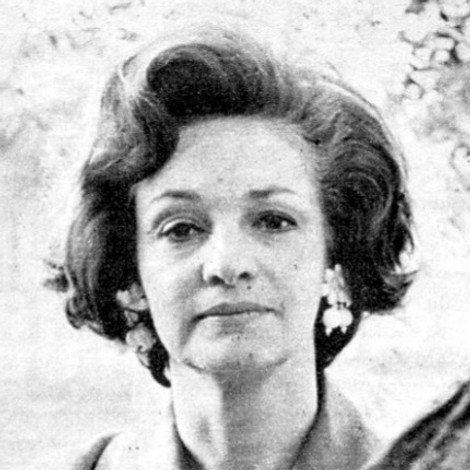
Lia de Aguiar
Known for

Algemas de Ouro
As Pupilas do Senhor Reitor
Telerromance
O Direito de Nascer
A Barba Azul
Dead Gods
In 1889, a conflict arose between the decadent and ruined rural aristocracy following the liberation of slaves and a new class of wealthy individuals, comprised of entrepreneurs emerging from the republican industrial class, interested in free labor. In the city of Ouro Negro, in the interior of São Paulo state, the conservative, aristocratic, and monarchist Almeida Santos family, which traditionally dominated the region, began to lose ground to the Lobo Ferraz family, representing the nascent progressive and republican bourgeoisie.
Um Dia o Amor

Éramos Seis
Éramos Seis is a Brazilian period drama telenovela produced by SBT and originally broadcast from May 9 to December 5, 1994. Based on the 1943 novel of the same name by Maria José Dupré, it was adapted by Sílvio de Abreu and Rubens Ewald Filho, with direction by Henrique Martins and Del Rangel and general direction by Nilton Travesso. The telenovela stars Irene Ravache, Othon Bastos, Jandir Ferrari, Tarcísio Filho, Luciana Braga, and Leonardo Brício. Set in São Paulo between the 1920s and 1940s, the story follows Dona Lola, a devoted wife and mother who struggles to keep her family together despite financial hardship and personal tragedy. As her four children—Carlos, Alfredo, Isabel, and Julinho—grow into adulthood, each follows a different path shaped by love, ambition, and loss. Through decades of sacrifice and resilience, Lola witnesses the joys and sorrows of family life while enduring profound changes that ultimately leave her to reflect on a lifetime of devotion.
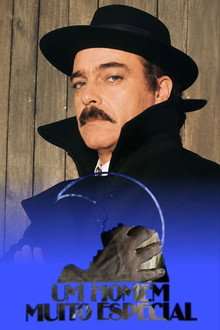
Um Homem Muito Especial
Vladimir, Count Dracula, leaves Transylvania and comes to Brazil to reunite with his son Rafael. Because of the turmoil in Europe during World War I, Rafael, still a boy, was entrusted to his nanny, Ana, who fled with him. Having discovered his son's whereabouts, Vladimir is determined to rescue him and make him claim his inheritance. Of seemingly humble origins, Rafael has secretly courted Mariana, granddaughter of the powerful Dona Marta, matriarch of the Matos Lacerda family, who dominate the city, since childhood. Rafael is unaware of his father's existence. In his struggle to win his son, Vladimir faces opposition from Ana, who knows all his weaknesses. Upon arriving in Brazil, in addition to his son, Vladimir finds the woman of his dreams, exactly like the one he loved and lost in the past – none other than Mariana, Rafael's beloved. Vladimir believes Mariana is the reincarnation of the great love of his past.

Éramos Seis
Xeque-Mate
Tchan, a Grande Sacada

Pérola Negra
Pérola Negra is a Brazilian telenovela produced by SBT and originally broadcast from November 9, 1998, to June 22, 1999. It is an adaptation of the Argentine telenovela Perla Negra (1994), created by Enrique Torres, adapted for Brazilian television by Henrique Zambelli and Clayton Sarzy. The telenovela stars Patrícia de Sabrit and Dalton Vigh. The story follows Pérola Marques, a young woman abandoned as a baby at a boarding school with a necklace of twenty-two black pearls, each intended to pay for one year of her education. After her best friend Eva dies shortly after giving birth, Pérola assumes Eva's identity to care for her son and fulfill her final wish. As she enters the wealthy Pacheco Oliveira family, she becomes entangled in secrets, betrayals, and a passionate romance with Tomás Álvares Toledo while uncovering the truth about her own past.

Os Ossos do Barão
Os Ossos do Barão is a Brazilian telenovela produced by SBT and originally broadcast from April 28 to September 8, 1997. It is an adaptation of Jorge Andrade's 1963 play of the same name, adapted for television by Walter George Durst, with collaboration from Duca Rachid, Mário Teixeira, and Marcos Lazarini. The telenovela stars Ana Paula Arósio, Tarcísio Filho, Juca de Oliveira, Othon Bastos, and Leonardo Villar. Set in São Paulo in 1948, the story follows Egisto Ghirotto, the wealthy son of Italian immigrants who dreams of gaining social prestige by marrying his son, Martino, to Isabel, the great-granddaughter of the late Baron of Jaraguá. Their romance sparks a bitter conflict between a rising immigrant family and a declining aristocratic dynasty, exposing themes of class, ambition, tradition, and the social transformation of Brazil.