Personal Info
Known For
Gender
Birthday
Place of Birth
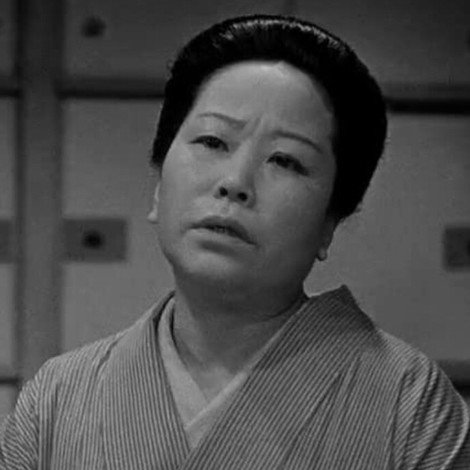
Toyo Takahashi
Known for

Late Spring
Noriko is perfectly happy living at home with her widowed father, Shukichi, and has no plans to marry -- that is, until her aunt Masa convinces Shukichi that unless he marries off his 27-year-old daughter soon, she will likely remain alone for the rest of her life. When Noriko resists Masa's matchmaking, Shukichi is forced to deceive his daughter and sacrifice his own happiness to do what he believes is right.

Tokyo Story
The elderly Shukishi and his wife, Tomi, take the long journey from their small seaside village to visit their adult children in Tokyo. Their elder son, Koichi, a doctor, and their daughter, Shige, a hairdresser, don't have much time to spend with their aged parents, and so it falls to Noriko, the widow of their younger son who was killed in the war, to keep her in-laws company.

Twenty-Four Eyes
From 1928 to 1946, the lives of 12 young people and their school teacher in a poor Japanese village are profoundly affected by historical events and personal circumstances.
An Autumn Afternoon
Widower Shuhei Hirayama's caretaker is his 24-year-old daughter, Michiko. Gradually, he comes to realize that Michiko should not be obliged to look after him for the rest of his life, so he arranges a marriage for her.
Good Morning
Two boys beg their parents for a television set, nagging them until all patience is lost. The parents order the boys to be quiet and the boys do exactly that--refusing to utter a word. The boys' silence ultimately puts the whole neighborhood into turmoil.

Floating Weeds
A theater troupe master's visit with his old flame unintentionally sets off a chain of unexpected events with devastating consequences.

Early Summer
In postwar Tokyo, Noriko lives with her extended family. Although she enjoys her career and her social life, her more traditional family worries about her single marital status at the advanced age of 28. 40-year-old business associate Takako proposes, Noriko's family press her into accepting, but when her widowed childhood friend Kenkichi returns to the neighborhood, she finds her heart leading in another direction.

Late Autumn
A woman and her daughter are each forced to contend with an increasing pressure to marry, particularly from three men who knew her late husband.

Equinox Flower
Wataru's outwardly liberal views on marriage are severely tested when his daughter declares her love for a coworker and is adamant to live her own way, instead of agreeing to an arranged marriage. Outwitted by his female relatives, Hirayama stubbornly refuses to admit defeat.

The Human Wall
Drama which shows the struggle of Fumiko, a female teacher, at work and at home.

Haha machi gusa
Asako works in a hostel for troubled young women. When a beautiful young girl is brought in one day after committing theft, Asako finds out from the older widow she works with that the new girl is undoubtedly her half-sister. When the younger sister suddenly flees on account of a misunderstanding, Asako makes up her mind to find the mother who deserted them both.

A Case of Honor
The obstinate black market trader Okyo lives together with her son Seitaro, who works as a mechanic for a bus company. She also looks after her son's colleague, the bus driver Fujita. When he causes an accident one day, Seitaro testifies against him due to his moral scruples, thus getting his company into trouble.

The President and the Shopgirl

Akitsu Hot Springs
Just after WW2, a romance between an innkeeper and a man with tuberculosis unravels near a thermal spring.
