Personal Info
Known For
Gender
Birthday
Place of Birth
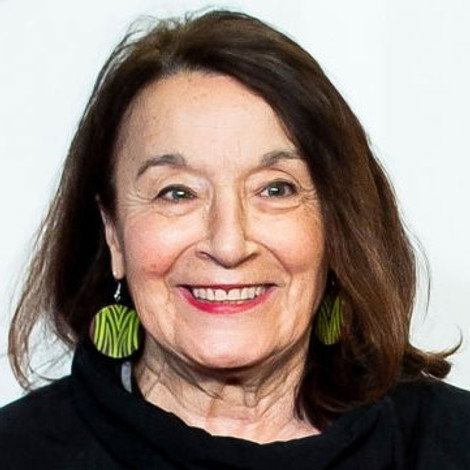
Petra Martínez
Known for

Love in Difficult Times
Amar en tiempos revueltos is a Spanish soap opera set in the times of the Spanish civil war and the early Francoism. The serial has been aired from 2005 and has won prizes in Spain and a Silver Medal in the «New York Festivals». In January 2013 will air on Antena 3 with new name, Amar es para siempre

La que se avecina
La que se avecina is a Spanish television comedy created by Alberto Caballero, Laura Caballero and Daniel Deorador. The TV-series focusing around the inhabitants of Mirador de Montepinar, a fictional building located on the outskirts of a big city. Both its storylines and cast are heavily based on Aquí no hay quien viva, which ended when Telecinco bought Miramón Mendi, the series production company. The episodes debuted on the Telecinco network, and were later rerun by the same network as well as cable/satellite channels FactoríaDeFicción and Paramount Comedy. The series debuted in 22 April 2007 and became popular thanks to its funny characters, witty script, use of catchphrases and capacity to integrate and poke fun at contemporary issues; the program presents a caustic satire of many of the 'types' found in Spanish society. The name of the show involves wordplay, as "vecina" is the Spanish word for neighbour.

Alpha Males
Pedro, Luis, Raúl and Santi are four friends who feel a bit lost in the new world of empowered women, each trying to adjust in their own haphazard way.

Los misterios de Laura
With her intuition and instinct, Laura Lebrel del Bosque, an innocent and intelligent police inspector with very original methods, naturally solves impossible crimes, dismantles alibis, and figures out who the murderer in every episode is. Meanwhile, her marriage with inspector Jacobo is not going through its best phase, she has to deal with her duties as a housewife and a mother of two very naughty five-year-old twins, and her workmate Martín cannot help getting into trouble.

Estirando el Chicle

A Family Knight-Mare

Toledo, cruce de destinos
The story is settled in the Middle Ages when three monotheistic religions coexisted and fought for power in the Spanish Peninsula: Christians, Muslims and Jews. The series mixes action, intrigue and love in the Castilian capital of Toledo. It shows us about all those who lived in the walls of a city full of ups and downs, labyrinths and shady hiding places.

Stories to Stay Awake

Bad Education
When an old friend brings filmmaker Enrique Goded a semi-autobiographical script chronicling their adolescence, Enrique is forced to relive his youth spent at a Catholic boarding school. Weaving through past and present, the script follows a transvestite performer who reconnects with a grade school sweetheart. Spurred on by this chance encounter, the character reflects on her childhood sexual victimization and the trauma of closeting her sexual orientation.

And They Lived Happily Ever After
Manoli and Fernando, a couple of communist ideas, want to live their love freely, fleeing from any bourgeois convention. At first, the couple rejects the help of her parents, but soon they will begin to give in and accept all kinds of comforts.

Palm Trees in the Snow
Spain, 2003. An accidental discovery leads Clarence to travel from the snowy mountains of Huesca to Equatorial Guinea, to visit the land where her father Jacobo and her uncle Kilian spent most of their youth, the island of Fernando Poo.

Sleep Tight
César, an unhappy concierge, maintains a peculiar relationship with the very diverse inhabitants of the upper-class apartment building where he works in Barcelona.

La agencia

The Good Daughter
After her parents’ separation, Carmela and her mother move into her grandmother’s home. As Carmela struggles to adjust to her new reality, she longs to spend more time at her father’s place, a visual artist she both admires and idolizes. His presence looms over the three generations of women, pushing them to confront and decide the future they each deserve.