
Personal Info
Known For
Gender
Birthday
Place of Birth
Hans Richter
Known for

Dalli Dalli

Zum blauen Bock

Die Montagsmaler
German Film Award
Lebensläufe
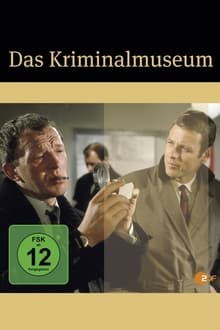
Das Kriminalmuseum
Das Kriminalmuseum was a German television series. It ran from 1963 to 1970 on ZDF and was one of its first programs. Each episode began with a tracking shot through an unspecified crime museum, stopping at one of the displays, whose story was then told. Each episode was between 60 and 75 minutes long and featured different actors as the criminal commissioner. The best known was Erik Ode, who in 1969 moved to Der Kommissar, appearing in 97 episodes. The theme music of the series was written by German composer Martin Böttcher, who also composed the complete scores for five episodes.
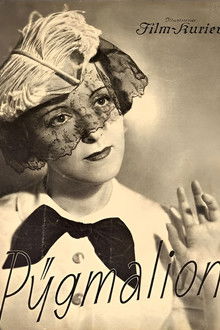
Pygmalion
When linguistics professor Henry Higgins boasts that he can pass off Cockney flower girl Eliza Doolittle as a princess with only six months' training, Colonel George Pickering takes him up on the bet. Eliza moves into Higgins's home and begins her rigorous training after the professor comes to a financial agreement with her dustman father, Alfred. But the plucky young woman is not the only one undergoing a transformation.
General Housecleaning
The head of a squad of maids captures the heart of a wealthy young bachelor.
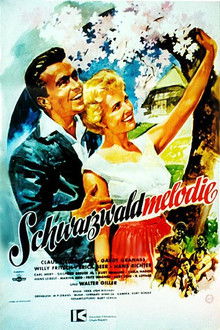
Schwarzwaldmelodie

The Black Forest Girl
The painter Hans Hauser falls head over heels in love with the "Black Forest girl" Bärbele Riederle. He travels to her home village and soon the two realize that they are made for each other.

Hitler Youth Quex
Nazi propaganda film based on the life and death of Hitler Youth Herbert "Quex" Norkus – in the film, renamed Heini Völker – who was killed while distributing flyers in a Communist neighborhood.
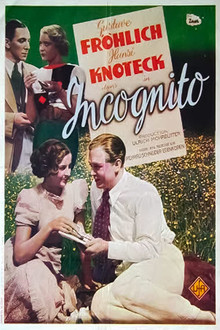
Incognito
The bored heir to a soap factory is able through pure chance to work incognito in the 153rd branch of the business. While doing so, he falls in love with a beautiful customer, gets into a rivalry with a jealous worker and helps to expose a dishonest boss.
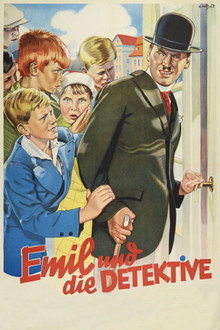
Emil and the Detectives
When a suspicious man bribes Emil with chocolate in return for a bundle of cash, the young lad thinks of a plan to catch him.

Stips
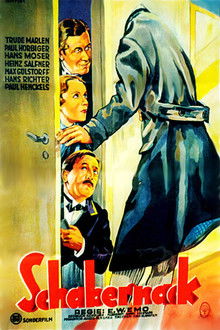
A Hoax
Absurd mistakes arise when the passengers of a burnt down sanitarium are quartered at a hotel. -Humble-tumultuous comedy with situation joke and proven comedians.