Personal Info
Known For
Gender
Birthday
Place of Birth
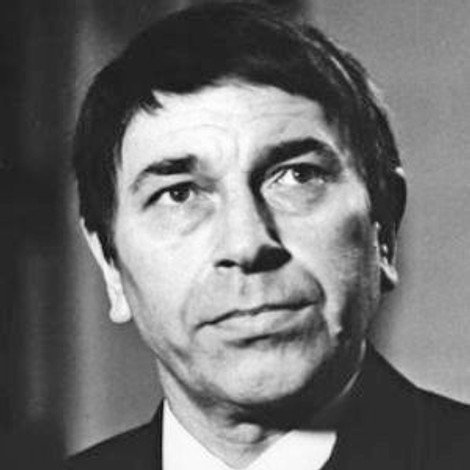
Ctibor Filčík
Known for

Moliére
Zaprášené histórie Ema Bohúňa
Bratislavské pondelky
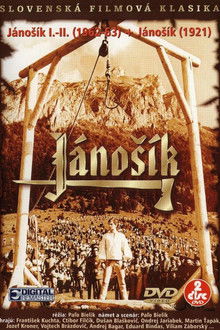
Jánošík
This film is one of the most popular pictures of Slovak cinema and relates the story about the legendary folk hero and brigand Juro Jánošík [1688-1713] and the social situation in Slovakia of the late 17th and early 18th centuries. The first part talks about Jánošík's childhood, studies and return to his native village. In the second part Jánošík leaves for the hills, where he organizes his band of brigands and starts an anti-feudal resistance. The film concludes with Jánošík's execution.
Sesternica Beta
Mŕtve duše
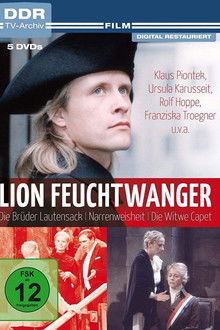
Die Brüder Lautensack
The first half of the 20th century. The Fuhrer brings people with extraordinary abilities closer to him in order to make the right political decisions with their help. One of these people is Oskar Lautensack. He is rapidly climbing the ladder of success, his wishes are immediately fulfilled. Oskar becomes Adolf Hitler's personal psychic and finds himself in the epicenter of political games, but he knows too much...
Prípad jasnovidca Hanussena
Tajný agent
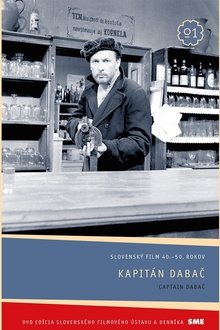
Kapitán Dabač
The drama of a young Slovak army officer who gradually realises the horrors of fascism during the fighting in Ukraine. On his return to Slovakia, he joins the SNP. However, he cannot overcome his loner attitude or his doubts about the meaning of partisan activity.
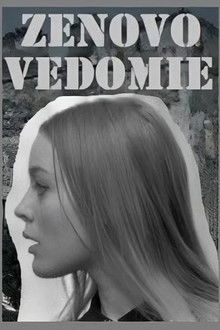
Zenovo vedomie
Television adaptation of the novel by the Italian writer Italo Svevo. His hero is Zeno Cosini, the son of a merchant in Trieste. He is a type of useless person, defeated by life and incapable of action. The ironic insight with which the author draws a picture of the townspeople of Trieste at the turn of the century sounds like an accurate diagnosis of a social class that is doomed with its entire lifestyle and morality.
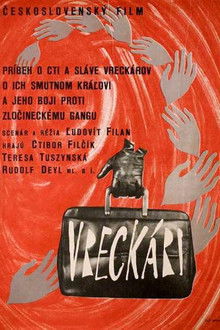
The Pickpockets
As unbelievable as it sounds, a stint in prison can really fix things. The old seasoned pickpocket will serve many years before he is released, but he comes out a changed man. He even dares to refuse the lures and threats of an all-powerful criminal gang to cooperate with him.
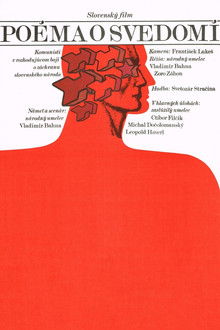
Poéma o svedomí
Historical reconstruction of the events of the anti-fascist struggle in Slovakia in 1943 and 1944.
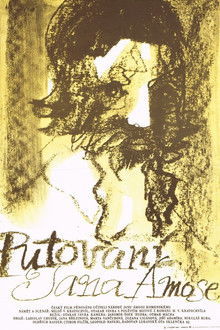
Putování Jana Amose
The distressing fate of the Czech great Jan Amos Komenský, forced to leave his homeland after the White Mountain disaster. It depicts his encounters with various European personalities of the 17th century - the Queen of Sweden, artists and scientists. It emphasises the hero's nobility, but also his inner resilience, which allowed him to overcome many personal and professional tragedies. The parable of The Labyrinth of the World and the Paradise of the Heart becomes part of the story. However, Comenius's concept is sculpturally lifeless and, in particular, the religious dimension is "erased" from it. The simplistic biography therefore does not avoid schoolboyish dryness.