Personal Info
Known For
Gender
Birthday
Place of Birth
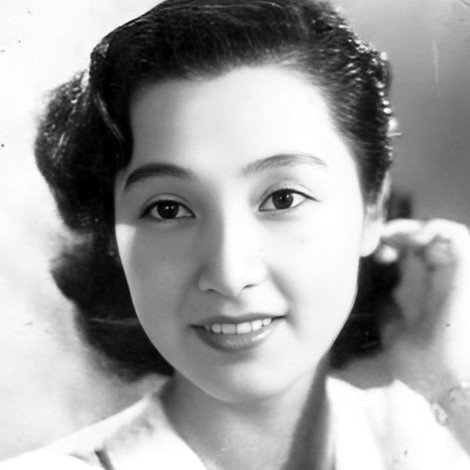
Mieko Takamine
Biography
Known for

Furuya Ikkou's Great Detective Kindaichi Kousuke Series
Furuya Ikkou's Great Detective Kindaichi Kousuke Series


Ningen no Shōmei
TV series produced by MBS and TOEI, based on the best-selling novel of the same name by Seiichi Morimura.

Four Days of Snow and Blood
Based on the "2.26 Incident", an attempted coup d'état in Japan 1936, launched by radical ultra-nationalist parts of the military. Several leading politicians were killed and the center of Tokyo was briefly held by the insurgents before the coup was suppressed.

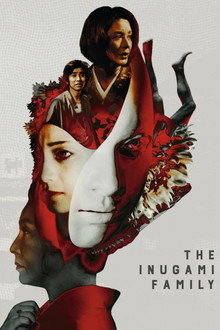
The Inugami Family
When a tycoon passes away, he unexpectedly leaves the family fortune to outsider Tamayo on the condition that she marries one of the grandsons, pitting blood against blood.

Appassionata
This story is based on the novel "Jo no mai" by Tomiko Miyao which is based on the life of painter Shōen Uemura (1875–1949), the first woman to be awarded the Order of Culture. The title refers to the masterpiece bijinga ("picture of a beautiful woman") that Uemura painted at the age of 61. The main character, Tsuya Shimamura, is born in Kyoto as the second daughter of a tea trader who dies before her birth. Tsuya, who loves painting more than anything and is hopeless at housework, attends art school and at age 15 receives the name Shōsui (from the characters for "pine" and "green") from her teacher. The crown prince of England purchases one of her works, propelling her to fame overnight. The novel portrays the remainder of her stormy life, during which she is impregnated by her teacher and raises a fatherless child; through it all she devotes herself to her painting, undaunted.

Five Men of Edo
During the 17th Century roving bands of hatamoto were causing trouble in the new capital city of Edo and constantly fought with the townspeople at every turn. The leader of these ruthless samruai was Mizuno Jirozaemon, who despite his high rank was in deep financial distress, thus leading to a tragedy that shook the very streets of the city.Opposing him was Banzui-in Chobei, the ‘Protector of the Weak’ who was willing to put his life on the line to save the 808 districts of Edo from the 80,000 hatamoto whose violent behavior threatened to destroy the fabric of society. Starring Bando Tsumasaburo, the first great star of the silver screen along with mega-star Ichikawa Utaemon, this is a story not to be missed. Torn from the pages of history, this true story has been told many times, but never as powerfully as this!

Wife
Ten years into a marriage, the wife is disappointed by the husband's lack of financial success, meaning she has to work and can't treat herself and the husband finds the wife slovenly and mean-spirited: she neither cooks not cleans particularly well and is generally disagreeable. In turn, he alternately ignores her and treats her as a servant. Neither is particularly happy, not helped by their unsatisfactory lodgers. The husband is easily seduced by an ex-colleague, a widow with a small child who needs some security, and considers leaving his wife.

Victory Song
An anthology of thirteen patriotic stories about Japanese citizens contributing to the war effort.

Dare ni koisen

Nobuko
A spirited young teacher challenges the conservative school employing her with liberal thinking and teaching methods.
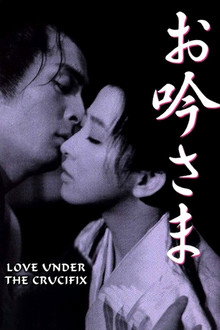
Love Under the Crucifix
A tea master and his daughter Ogin are both Christians in feudal Japan. Ogin falls in love with a married feudal prince who shares her faith. When the Shogun bans Christianity, the situation worsens.

Here Because of You
An uplifting drama about the bond between a group of high school seniors and their kind-hearted teacher, Mr. Yabuki. Faced with the rigors of growing up in modern times, students often look to Mr. Yabuki for advice and guidance. But when Mr. Yabuki’s career is threatened as a result of a false accusation from the school’s PTA, the students band together to stand up for their beloved teacher and help him to save his good reputation and job.