Personal Info
Known For
Gender
Birthday
Place of Birth
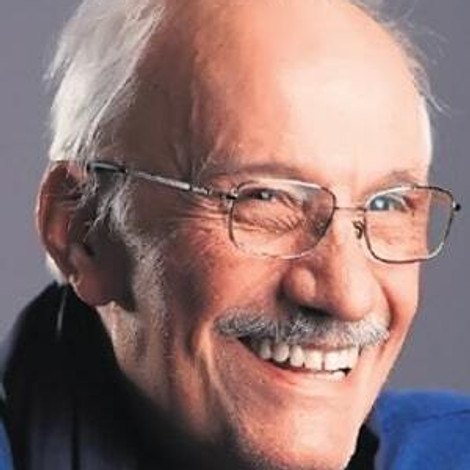
Mirko Babić
Known for

The Village Is Burning, and the Grandmother Is Combing Her Hair
Selo gori, a baba se češlja is a television series in Serbia. First aired in 2007, the show quickly gained national fame with episodes in its third season averaging approximately 2.9 million viewers. The show was aired on RTS1.

Hot Wind
Vruć vetar is one of the most popular Yugoslav TV miniseries that aired in 1980. The show and movie cut from scenes of the show were popular in neighboring countries-also very popular in Czechoslovakia. Its main theme became very popular and enjoying a bit of a cult status. The story follows Shurda, a man in his 30s, who comes from a small town to Belgrade to get rich. However, as no job is good enough for him, he tries his luck in Germany, but this venture proves to be the same, so he returns to his native Yugoslavia.

Paradise
Milos Crnjanski, the great Serbian writer, returns home after the turmoil and chaos of the First World War. Tired and disappointed, he decides to spend night at the local brothel.

Flat Hill
Ravna Gora tells story of events after April War 1941. Serbia with accent on the Chetnic-Partisan conflict, at the beginning of World War II

Uros the Stupid
The Zivkovic family lives on a hilly village, on cleared part of land. Having many relatives, their lives are interlaced, and jobs distributed. Their biggest problem is a family that lives on the village edge and whose members steal, and Uros the Stupid, single and infantile Markovic family member. Contrary to the world of elders, Urosh and children lead their life of some kind. Suddenly, postman brings the telegram saying that some forgotten cousin from America has died and left two million dollars of inheritance. Unrest enters life of peasants. Everyone has some idea on how to invest the money, feeling at the same time that they don't need it. All of their actions will end differently from what they expected.

The Swath
The plot is set in the first half of the 1980s and follows daily life problems of the Krkić family, the conflict of generations, corruption in the agricultural cooperative and personal problems of ordinary people in a small village. The series is an excellent illustration of the last years of life in socialist Yugoslavia, attempts to reform society and the abuse of individuals who use their position for personal gains.

The Train for Kraljevo
It is 1941 and the German occupying forces are taking over Yugoslavia, making a train ride to Kraljevo a dangerous game for a secret communist agent carrying important documents. Both the Germans and the police are looking for him on the train, and his safe arrival in Kraljevo seems like an impossibility. His determination to get the papers to the right people keeps him going, even through a gun battle after the train arrives - challenging him to find a way to complete his mission.

Dr
In his comedy play, Branislav Nusic satirically depicted the snobbish desire of some wealthy people to “decorate” their children with academic titles.

Double Trouble
Radašin and Milašin are brothers but they don't talk with each other. Both of them got letters inviting them on mysterious journey from their village to Belgrade, capital of Serbia. Each one has an amusing path that leads to one place, but their family won't let them fulfill their destiny alone in the end.


Ice
A TV film based on monodrama “Ice”, about the hardworking farmer and his crops whose biggest enemy is the weather.

Mileva Einstein
This drama focuses on Mileva Maric-Einstein (1875-1948), a Serbian physicist and mathematician and the first wife of Albert Einstein from 1903 to 1919.

5000 Metres Steeplechase
It takes place in 1952 in a mountain village in Serbia. Unable to get used to the peacetime metropolitan life, young Major Dobrilo returns to his native village. But, some unsettled accounts from the war days will suddenly interrupt everything nice that started happening with Dobrilo’s arrival.

The Village Is Burning... and So On
It's story about family and religion, sons and fathers, about the secrets everyone knows. The film is made of third season of popular Serbian TV series "Selo gori, a baba se češlja".

Scaffold
This performance, a monument to the Serbian language, culture and history, was created in Orašac, in celebration of the 200th anniversary of the modern Serbian state.