Personal Info
Known For
Gender
Birthday
Place of Birth
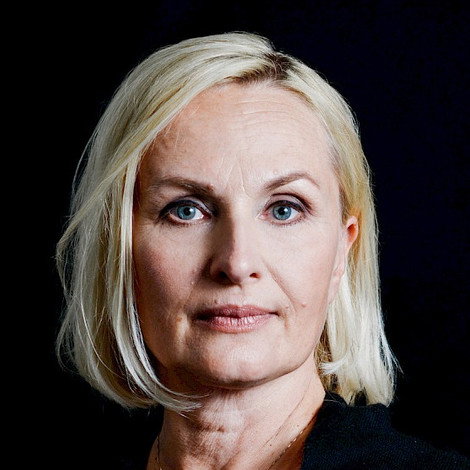
Sara Paavolainen
Known for

Maigret
The pragmatic, reserved and refined Maigret investigates murders in his singular unhurried manner and inevitably discovers the truth.

The Age of Iron
Rauta-aika (The Age of Iron) is a dramatic four-part miniseries completed in 1982 by Finnish broadcast network Yle TV2. The production attempts to adapt the national epic of Finland, the Kalevala, for the television audience by way of humanizing the mythological characters whose thoughts and actions drive the narrative. The protagonists of Rauta-aika, Väinö, Ilmari and Lemminki, have been inspired by the tales in the Kalevala and go in search of a woman, eventually finding themselves at war with the Nordic people, and in the end pay dearly for their pursuits.

Harjunpää ja kiusantekijät
Inspector Timo Harjunpää works on harassment and extortion campaign case against successful computer expert.

Venny

Sista leken
In this somber, psychological drama about the conflict between a man's innermost feelings and a society that puts these feelings in a strait jacket, the mood is ruminative and depressing throughout. Alone, Viktor (Sven Wolter) heads off for his usual summer vacation to some islands where he can ostensibly look for antiques for his wife's shop in Stockholm. His marriage is a failure or worse -- he raped his wife before he left home, and he is obsessed by erotic imaginings. Once on the islands, he makes friends with a little girl whose mother is mentally disturbed and is kept by her husband in a locked room. The islanders are as tight-lipped as Viktor, and any communication is stiff and artificial. Viktor's own alienation begins to slip as he takes surprising, violent action to turn around the imprisoned mother's life -- but it does not work, nothing seems to work -- and his last actions indicate that he may not be willing to simply give up.

East of Sweden
Three men meet on a night train on the border of Finland and Sweden. All three are concealing something, and a sudden confrontation amongst them leads to disastrous consequences, with two of them being forced to make a joint decision.

Dance Brothers
Two brothers trying to make it as dancers open their own club, but their artistic drive soon clashes with the business, threatening their relationship.

Light Light Light
Mariia visits her childhood home and reminisces about the summer of 1986, when a girl named Mimi arrived in the small village and filled the life of the then 15-year-old Mariia with light.

Unknown Soldier
The film follows Finnish army machine gun company in Continuation War against Soviet Union, 1941–1944. Based on Väinö Linna's best selling novel Tuntematon Sotilas (The Unknown Soldier) and the novel's uncensored version, Sotaromaani (A War Novel).

Palkkasoturi
The story of a modest man, played by Ilkka Heiskanen, who decides to become a mercenary in the Yugoslavian civil war. This decision leaves him completely destitute. His parents do not approve of his decision, nor do his friends at the local bar.

Marja
When Marja becomes pregnant as a result of an unauthorized relationship, the man denies the whole relationship. A pregnant young woman is left alone. Marja ends up with an illegal abortion when there are only bad options ahead.
Varpuset
Viisi tytärtäni

Proxy
An architect about to begin her maternity leave starts to suspect that her replacement is trying to take over her grand design, and her life.
