Personal Info
Known For
Gender
Birthday
Place of Birth
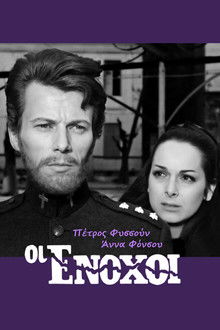
Petros Fyssoun
Known for
Για Μια Θέση στον Ήλιο

Οικογένεια

Άγγιγμα ψυχής
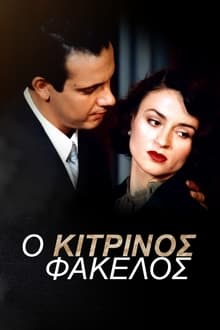
Ο Κίτρινος Φάκελος

Eternity and a Day
Famous writer Alexander contracts a terminal illness. He receives a letter from his wife describing a summer day 30 years ago, and leaves his seaside home to remember his past. This journey will allow him to wander between the past and the present, and encounter unexpected people, allowing him to collect unforgettable memories in the final moments of his life.
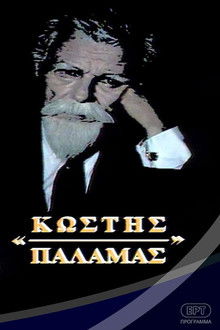
Kostis Palamas

Akrivi mou Sofia
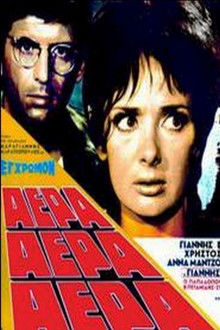
Hero Bunker
Following the torpedoing of the destroyer Elli on August 15, 1940 on Tinos by an Italian submarine, war was declared, and the Italians attacked the Albanian front on October 28. From an outpost on the Greek-Albanian border, a military truck unexpectedly comes under fire by Italian tanks. Petros, the only one who manages to escape death or captivity, saves a village girl, Maria. However, the Greeks manage to recapture the machine-gun nest, setting free the soldiers who had been pinned down. The platoon in question puts up a hard fight against the Italian invaders, while, at the same time, the Greek army is preparing for a counter-attack, which doesn't take long to happen. Right after, the Italians are forced to fall back; Northern Epirus is recaptured, and the army of the Badoglio is repulsed from the Adriatic.

The straw hats
Love, the search for love, the desire for love... Three summers in the bright light of Attica, three sisters in their prime, Maria, Infanta, Katerina. Maria, the eldest, sensual, close to the mysteries of nature, Infanta, fiery but restrained in the face of love, Katerina, thirsty for independence, who chooses the dream. For her, the myth becomes reality, like the mysterious faces of the Polish grandmother and Captain Andreas. Katerina narrates these three summers with imagination, humor and immense tenderness, with a youthful grace that already has a touch of nostalgia.
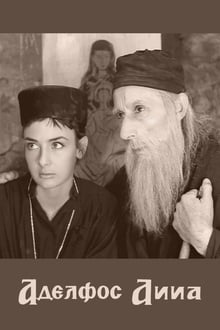
Brother Anna
Andreas, nephew of the abbot of the Monastery of Dionysios, who died eight years previously, arrives at Agion Oros (Mount Athos) with a team of smugglers of antiquities, with the intention of stealing a gold cross set with precious gems, known as the Cross of Alexander the Great. He earns the trust of the meek and hospitable monks. However, a Jewish girl, Anna - whom, while still a baby during the war, her father had entrusted to the care of the hermit Vasileios - continues to pretend she is a young monk. She manages gradually to discover the entire scheme and acts to foil their plot.
Athens, Return to the Acropolis
A poetic visit to the city of Athens, based on paintings, poems and philosophical texts.

The fate of the innocent
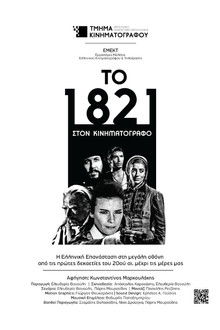
1821 at the Cinema
In 1821, in Cinema, he records the cinematic representations of the Revolution from the first decades of the 20th century. until the present day. Despite the fact that the Revolution of 1821 constitutes the founding act of the modern Greek state, as a subject matter it is underrepresented in national film production. This is one of the points on which the research looks, which simultaneously examines the periods of concentration of films on the subject of the Revolution or, respectively, the periods of its collective silence. The purpose of the documentary is to study the ideological discourse and the cinematic language of the films with the theme of 1821, in order to highlight the function of the cinema as a carrier of Public History and as a factor in shaping the collective historical consciousness.
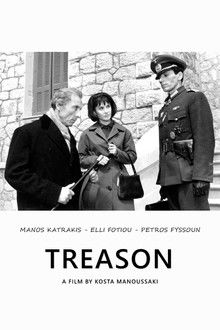
Treason
A Nazi officer arrives in occupied Athens in 1941 and falls in love with a Jewish girl, unaware of her true identity.