Personal Info
Known For
Gender
Birthday
Place of Birth
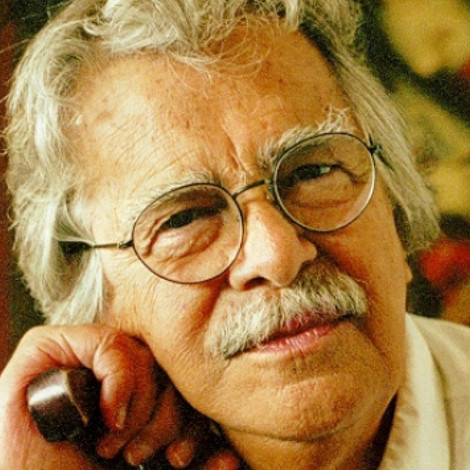
Darcy Ribeiro
Biography
Known for

O Povo Brasileiro
Directed by Isa Grinspum Ferraz, the series O Povo Brasileiro proposes a deep dive into the history of Brazil to talk about historical, social and cultural formations that constitute the identities of the Brazilian people. The production approaches from aspects of the native peoples to the formation of Brazil as a national unit, in a recreation of the literary narrative of the homonymous work written by the anthropologist Darcy Ribeiro.

Invencíveis

Darcy, um Brasileiro
Darcy Ribeiro was a renowned anthropologist, politician and writer. In this documentary, Maria Maia seeks to expose a bit of his personality with testimonials from friends, collaborators and speeches by Darcy himself.

Ailton Krenak: O Sonho da Pedra
The documentary follows the trajectory of Ailton Krenak, indigenous leader from Minas Gerais, a descendant of the Krenak ethnic group, formerly called Botocudos. After studying in São Paulo, Ailton was active in the defense of indigenous peoples. While traveling through Brazil and the world, he became a kind of ambassador for the original Brazilian cultures. The film features images and testimonies of Ailton at different times in his life, as well as other characters that are part of his universe.
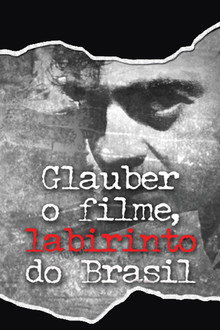
Glauber Rocha - The Movie, Brazil's Labyrinth
Documentary about Brazilian filmmaker Glauber Rocha, one of the most important names in the Cinema Novo, with interviews with some of his friends and colleagues.

Rondon - O sentimento da terra

Candango: Memoirs from a Festival
In 1965, a year after the military coup in Brazil, an oasis of freedom opened in the country's capital. The Brasília Film Festival: a landmark of cultural and political resistance. Its story is that of Brazilian cinema itself.

Josué de Castro, Cidadão do Mundo

Quando a Coisa Vira Outra
Vladimir Carvalho's Cinema of Inequality marked the documentary filmmaker's trajectory over decades of activity. Considered one of the most important Brazilian documentary filmmakers in activity, his images influenced the emergence of Cinema Novo and the new Brazilian documentary years later. Quando a Coisa Vira Outra covers the most important films made by Vladimir, revealing where ideas come from to show the true reality of a country.

Terra dos Índios
A collection of testimonies from Brazilian indigenous people about the interests of FUNAI (National Foundation for Indigenous Peoples), multinational corporations, and large landowners behind the disastrous policy of indigenous emancipation in Brazil. Narrated by Fernanda Montenegro.

Glauber Rocha em Defesa do Cinema Brasileiro

O Brasil de Darcy Ribeiro
Documentary on the view, testimonies and times of Darcy Ribeiro, since military dictatorship.

Meia Hora com Darcy

1968 - Without Losing Tenderness
The story of the University of Brasília, since it was only a project in Darcy Ribeiro's head until the fateful events in August 1968 when its campus was invaded by the police, during the military dictatorship, thus putting an end to its independence.
