
Personal Info
Known For
Gender
Birthday
Place of Birth
Margaret Lockwood
Biography
Known for

BBC Play of the Month
A BBC television anthology series featuring productions of classic and contemporary stage plays usually broadcast on BBC1. Each production featured a different work, often using prominent British stage actors in the leading roles. The series was transmitted from October 1965 to September 1983.

Bambi
The Bambi, often called the Bambi Award and stylised as BAMBI, is a German award presented annually by Hubert Burda Media to recognize excellence in international media and television to personalities in the media, arts, culture, sports, and other fields "with vision and creativity who affected and inspired the German public that year", both domestic and foreign. First held in 1948, it is the oldest media award in Germany. The trophy is named after Felix Salten's book Bambi, A Life in the Woods and its statuettes are in the shape of the novel's titular fawn character. They were originally made of porcelain until 1958, when the organizers switched to using gold, with the casting done by the art casting workshop of Ernst Strassacker in Süßen.
ITV Playhouse
ITV Playhouse is a British comedy-drama TV series that ran from 1967 to 1983, which featured contributions from playwrights such as Dennis Potter, Rhys Adrian and Alan Sharp. The series began in black and white, but was later shot in colour and was produced by various companies for the ITV network, a format that would inspire Dramarama. Actors appearing in the series included Leslie Anderson, Gwen Nelson, Ricky Alleyne, Pat Heywood, Michael Elphick, Ian Hendry, Edward Woodward, Margaret Lockwood, Jessie Matthews and Lloyd Peters.
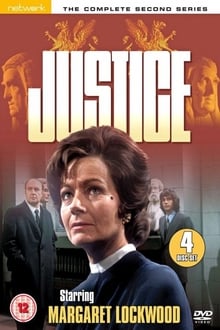
Justice
Justice is a British drama television series which originally aired on ITV in 39 hour-long episodes between 8 August 1971 and 16 October 1974. Margaret Lockwood stars as Harriet Peterson a female barrister in the North of England. It was made by Yorkshire Television and was based loosely on Justice Is a Woman, an episode of ITV Playhouse broadcast in 1969 in which Lockwood had previously also played a barrister. The theme music was Crown Imperial by William Walton.
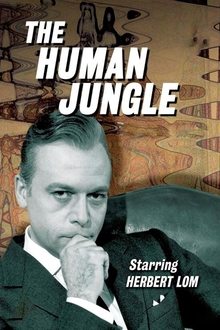
The Human Jungle
The Human Jungle is a British TV series about a psychiatrist, made for ABC Television by the small production company Independent Artists for transmission on ITV. Starring Herbert Lom, it ran for two series which were first transmitted during 1963 and 1965.

Theatre Night
A BBC television series of forty-five-minute excerpts from stage plays running in London.
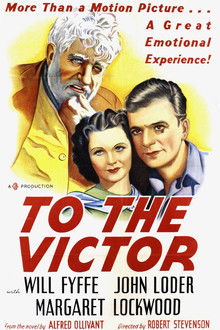
Owd Bob
Adam McAdam is an old, dour sheepherder whose life is devoted to his faithful dog, the whiskey bottle and his daughter, Jeannie. And a conflict that arises when the other sheep-men of the district try every means within their power to have his dog, accused of being a sheep-killer, destroyed.
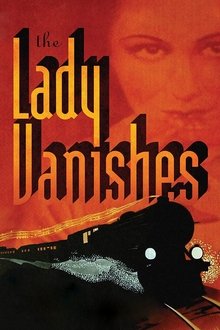
The Lady Vanishes
On a train headed for England a group of travelers is delayed by an avalanche. Holed up in a hotel in a fictional European country, young Iris befriends elderly Miss Froy. When the train resumes, Iris suffers a bout of unconsciousness and wakes to find the old woman has disappeared. The other passengers ominously deny Miss Froy ever existed, so Iris begins to investigate with another traveler and, as the pair sleuth, romantic sparks fly.
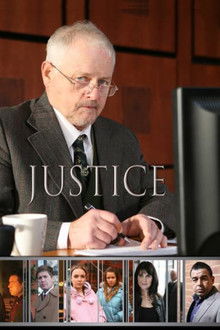
Justice
Justice is a British legal drama starring Robert Pugh as Judge Patrick Coburn. The first episode was originally broadcast on 4 April 2011 on BBC One.
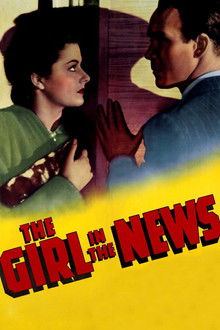
Girl in the News
An elderly lady manages to sneak some pills away from her nurse and dies of an overdose. The nurse is tried for murder and acquitted. Some time later the nurse, under a new name and identity, cares for a patient who also dies of an overdose. When her real identity comes out, suspicions arise.
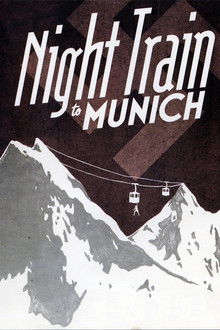
Night Train to Munich
Czechoslovakia, March 1939, on the eve of World War II. As the German invaders occupy Prague, inventor Axel Bomasch manages to flee and reach England; but those who need to put his knowledge at the service of the Nazi war machine, in order to carry out their evil plans of destruction, will stop at nothing to capture him.

The Flying Swan
This partially lost sequel to "The Royalty" (1957) follows day to day happenings in one particular hotel.
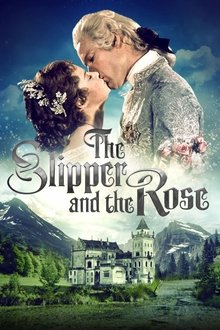
The Slipper and the Rose
Prince Edward wants to marry for love, but the King and court of the Kingdom of Euphrania are anxious for the Prince to wed no matter what. When the Prince meets Cinderella at a ball, he's sure she's the one, and when she loses her slipper upon exiting the dance, the Prince is determined to find and marry her.
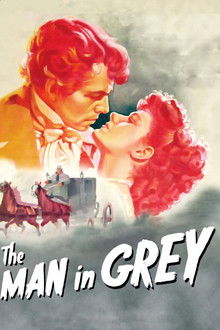
The Man in Grey
After marrying a dour and disinterested lord for status, a young woman falls in love with a stage actor while her best friend from boarding school enters an affair with her husband.
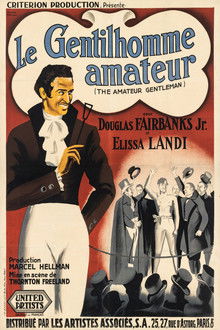
The Amateur Gentleman
A former boxing champion, now an innkeeper, is accused of stealing a watch from a party of guests at his inn, who happen to be members of English royalty. The old man is arrested and thrown in prison. His son, knowing that his father didn't steal the watch and suspecting a frame-up, follows the royal party to London, where he poses as a wealthy "gentleman" and insinuates himself into the English court in an effort to find out who framed his father and why.