
Personal Info
Known For
Gender
Birthday
Place of Birth
Howard Freeman
Biography
Known for
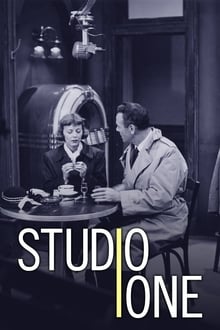
Studio One
An American radio–television anthology series, created in 1947 by Canadian director Fletcher Markle, who came to CBS from the CBC. Studio One, presented by Westinghouse, was one of the first of the anthology TV programs. The episodes were often abridged remakes of movies from years gone by and many future well-known television and movie actors appeared in the productions.
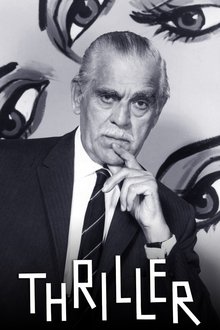
Thriller
Thriller is an American anthology television series that aired during the 1960–61 and 1961–62 seasons on NBC. The show featured host Boris Karloff introducing a mix of self-contained, macabre weird-horror and morbid, hitchockian crime stories, in some of which he also starred.
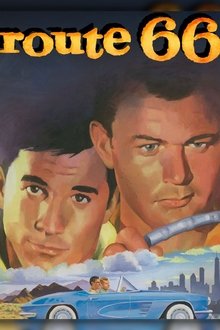
Route 66
After discovering that his late father has gone through most of the family fortune, Tod Stiles hits the title trans-America highway in his Corvette in search of adventure with friend Buz Murdock, a survivor of New York's mean streets. The two work odd jobs as they meet and interact with colorful characters and find themselves plunged into one situation after another, some of them romantic, some of them very dangerous. Later, Linc Case, a Vietnam war hero trying to find himself, takes over as Tod's travel companion.
Cavalcade of America
Cavalcade of America is an anthology drama series that was sponsored by the DuPont Company, although it occasionally presented a musical, such as an adaptation of Show Boat, and condensed biographies of popular composers. It was initially broadcast on radio from 1935 to 1953, and later on television from 1952 to 1957. Originally on CBS, the series pioneered the use of anthology drama for company audio advertising. Cavalcade of America documented historical events using stories of individual courage, initiative and achievement, often with feel-good dramatizations of the human spirit's triumph against all odds. This was consistent with DuPont's overall conservative philosophy and legacy as an American company dating back to 1802. The company's motto, "Maker of better things for better living through chemistry," was read at the beginning of each program, and the dramas emphasized humanitarian progress, particularly improvements in the lives of women, often through technological innovation.
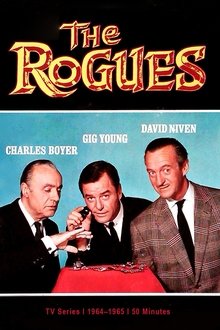
The Rogues
The Rogues is an American television series that appeared on NBC from September 13, 1964, to April 18, 1965, starring David Niven, Charles Boyer, and Gig Young as a related trio of former conmen who could, for the right price, be persuaded to trick a very wealthy and heinously unscrupulous mark. Although it won the 1964 Golden Globe award for Best Television Series, the show was cancelled after one season consisting of thirty episodes.
Johnny Staccato
Jazz pianist Johnny Staccato supplements his meager musician's income by working as a private detective. The background for many of the episodes is his friend "Waldo's" jazz club in New York City's Greenwich Village, featuring performances by the Pete Candoli jazz combo which included Barney Kessel, Shelly Manne, Red Mitchell, Red Norvo and Johnny Williams. The theme was composed by Elmer Bernstein.
Scaramouche
In 18th-century France, a young man masquerades as an actor to avenge his friend's murder.

Magic Town
Rip Smith's opinion-poll business is a failure...until he discovers that the small town of Grandview is statistically identical to the entire country. He and his assistants go there to run polls cheaply and easily, in total secrecy (it would be fatal to let the townsfolk get self-conscious). And of course, civic crusader Mary Peterman must be kept from changing things too much. But romantic involvement with Mary complicates life for Rip; then suddenly everything changes.

Hallmark Hall of Fame
Long-running anthology program sponsored by Hallmark Cards. Beginning in 1951 and continuing into 2019, the series received 80 Emmy Awards, 24 Christopher Awards, 11 Peabody Awards, 9 Golden Globes, and 4 Humanitas Prizes. Early seasons were a weekly live drama, eventually transitioning to videotaped and then filmed productions broadcast as occasional specials.

Double Dynamite
An innocent bank teller, suspected of embezzlement, is aided by an eccentric, wisecracking waiter.
NBC Sunday Showcase
NBC Sunday Showcase was a series of hour-long specials telecast in color on NBC during the 1959-60 season. The flexible anthology format varied weekly from comedies and science fiction to musicals and historical dramas. The recent introduction of videotape made repeats possible, and two 1959 dramas had repeats in 1960. On the heels of his Broadway hits The Pajama Game and Damn Yankees, Richard Adler composed the opening Sunday Showcase theme music, titled "Sunday Drive".
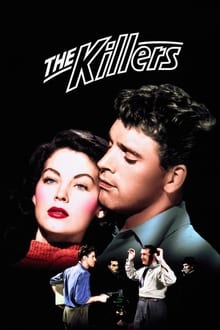
The Killers
Two hit men walk into a diner asking for a man called "the Swede". When the killers find the Swede, he's expecting them and doesn't put up a fight. Since the Swede had a life insurance policy, an investigator, on a hunch, decides to look into the murder. As the Swede's past is laid bare, it comes to light that he was in love with a beautiful woman who may have lured him into pulling off a bank robbery overseen by another man.