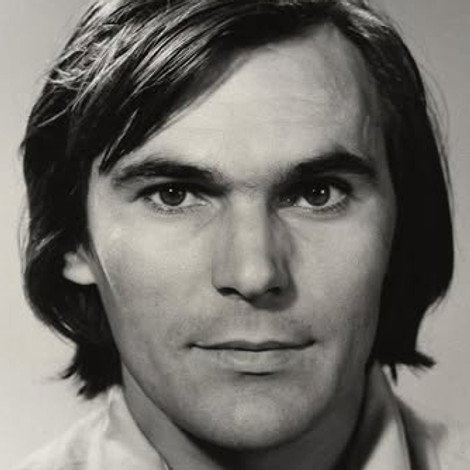
Personal Info
Known For
Gender
Birthday
Place of Birth
Juhász Jácint
Known for

Vivat Beňovský!


Mire megvénülünk

Televíziós Mesék Felnőtteknek
Televíziós Mesék Felnőtteknek
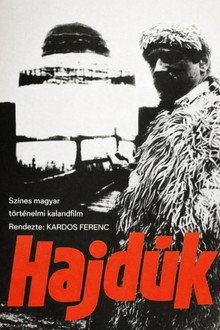
Unruly Heyducks
This film, set at the beginning of the 17th century, is the first East-European "Eastern". Bocskai István orders the free Heyducks to shepherd a huge herd of cattle through the country torn to three parts, to the Dalmatian coast, where he can get weapons in exchange, for fighting the Austrians.
Ráktérítő

The Red and the White
In 1919, Hungarian Communists aid the Bolsheviks' defeat of Czarists, the Whites. Near the Volga, a monastery and a field hospital are held by one side and then the other.
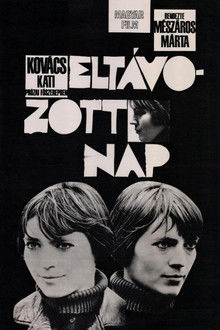
The Girl
On receiving a letter from her mother, a quiet working-class girl leaves the state orphanage in Budapest where she grew up and takes a trip to the rural countryside to visit her.
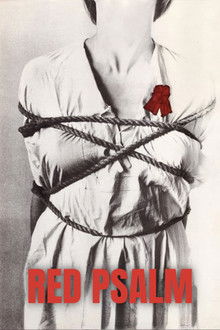
Red Psalm
Set in the 1890s on the Hungarian plains, a group of farm workers go on strike in which they face harsh reprisals and the reality of revolt, oppression, morality and violence.
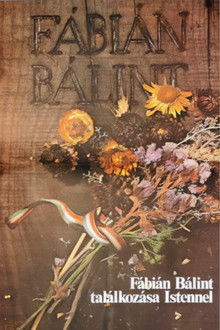
Bálint Fábián Meets God
In 1918, Fábián Bálint is forced to kill on the Italian front. At home, his sons drown the priest, the lover of their mother, in the river Kraszna, an action that drives her insane. Following his return home, Bálint becomes the liveried coachman of the baron.
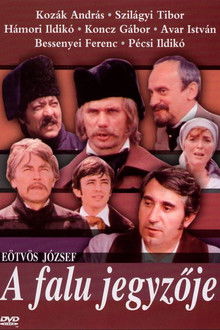
A falu jegyzője
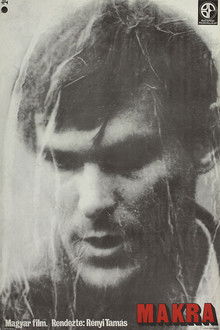
Makra
The events of the story take place in the outskirts of working class people in the early nineteen fifties. Makra, a skilled worker in a factory, suddenly comes to close quarters with everything around him because his environment condemns and ridicules him for protecting a woman when his drunk fellows were going to rape her after his bachelor party.
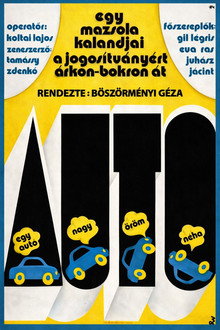
The Car
This sour satire records how narrow-minded, perishable and prejudiced human relations are. Lili, an open, good-hearted, but clumsy girl gets a rusty Renault Gordini from her uncle living in France. She wants to learn driving, but makes horrible and perilous mistakes behind the wheel.

The Eighth Journey of Sinbad
Szindbád embarks on his eighth journey to eliminate the evil genie's domination of the earth.