
Personal Info
Known For
Gender
Birthday
Place of Birth
Dario Fo
Biography
Known for

Il Tempo e la Storia

Elementary School
Dante Trilli, who has been teaching in his village school for about twenty years, wins a competition for Milan. Waiting for him is his childhood friend, where he is the janitor in the school where Trilli will teach.
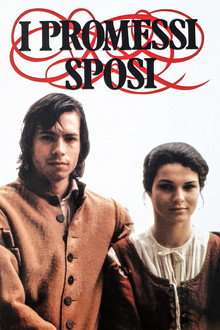
I promessi sposi
Set between 1629 and 1631. Renzo Tramaglino and Lucia Mondella are Lombard peasants forced to separate and endure a thousand vicissitudes because of the bullying of the squire Don Rodrigo. However, during their journey they will find various people willing to help them, from Friar Cristoforo to the Innominato, from Federigo Borromeo to Donna Prassede.

Das Jahrhundert des Theaters
"The Century of the Theater" - From the "birth of the director" to the "heroes of modernity" - an overview of the world of theater - illuminates the interaction with the history of the past hundred years is also shown.
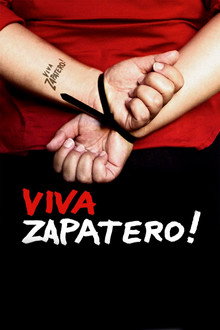
Viva Zapatero!
Viva Zapatero! is a 2005 documentary by Sabina Guzzanti telling her side of the story regarding the conflict with Silvio Berlusconi over a late-night TV political satire show broadcast on RAI-3. The show, RAIot (a play on the name of the Italian state public TV: RAI, and the English word riot), lampooned prime minister Berlusconi. Since it wasn't considered a satirical show, but a political one, it was cancelled after the first episode.

March's Child
Francesca and Sandro meet, falls for each other and get married. But the differences between them are too many and the separation is around the corner.

The Peddler's Backpack
From Italian set designer to Brazilian stage director, Gianni Ratto, born in Italy in 1916 and based in Brazil since 1954, retraces the geographical path of his life, accompanied by his daughter, passing through Genoa, Milan, Florence, São Paulo, and Rio de Janeiro, visiting places and people who marked his journey. At each encounter, Gianni speaks of his work and reveals the ideas of someone who not only executes but also thinks about theater from a humanist perspective.

Callas
For the first time together, Dario Fo and Paola Cortellesi take the spectator through a journey in the life of Maria Callas in the last play written by Fo and the late Franca Rame.

Sempre più difficile
This documentary is about the Italian small family circus, based on the old street theatre of the Commedia dell'Arte. Since World War II, they have diminished in number and today hardly exist anymore. They simply can't compete with modern times entertainment, symbolized by television. The film portrays and follows the Colombaioni family, six brothers and two sisters, their children and grand children. Most of them work in their own small circus(father, mother, children). Two of the brothers, Carlo and Alberto left the circus and now have a theatre show, based on their improvisation skills that they learned in the circus. The family is known by their collaboration with Frederico Fellini and Dario Fo. They appeared in many a Fellini movie -o.a. La Strada, Le Notti di Cabiria and I Clown.

Forbidden Grass
All you wanted to know about THC and you were never told. A mix of documentary, comedy and live music to celebrate the Italian movement in favor of the legalization of cannabis.

L'arte secondo Dario Fo

How the Toys Saved Christmas
When Santa's helper La Befana falls ill and must take off a Christmas Eve, she recruits Scarafoni to help deliver all the toys. No one but the toys knows is that Scarafoni plans to auction off the toys to the highest bidder, which means the toys won't make it to the children who have been good all year and deserve them. The toys decide to deliver themselves, and the story follows them as they struggle to avoid the heartless Scarafoni and to find their true homes.

The Screwball
Achilles, a Hulot-like factotum for an evening newspaper, travels around looking for a scoop in the Milan of the "economic miracle."

Musica per vecchi animali

La voce di Fantozzi
The docufilm tells the story of Paolo Villaggio's genius through the most iconic Italian character, accountant Ugo Fantozzi. The work was featured in the Classics section of the 74th Venice International Film Festival.