
Personal Info
Known For
Gender
Birthday
Place of Birth
Miyuki Kojima
Known for
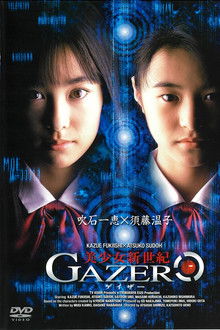
Bishoujo Shinseiki Gazer

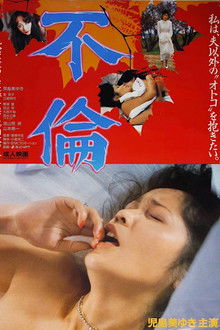
Adultery
A wife, bored with her husband, meets one of his old friends at a party. He manages a strip club. Intrigued, she goes with him to visit one of his clubs. One of the strippers is upset and the manager has to pleasure her to calm her down. The wife is aroused by the sight of this and later invites him to her house. There they begin a passionate affair behind her husband’s back.
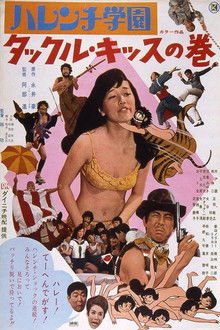
Shameless School: Tackle Kiss
Students against teachers in the wildest kiss-stealing, petting-orgy ever.
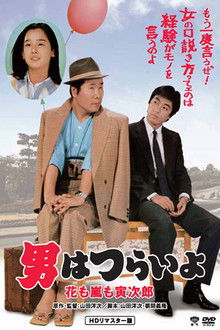
Tora-san, the Expert
Tora-san gets into an argument with his uncle and sets out on the road again. In Kyushu he meets a young woman named Keiko and the shy zoologist Saburō, and attempts to play matchmaker between the two when they all return to Tokyo.

Ginza Midnight Story — Utopia
Japanese gangster drama set in the exclusive Ginza district of Tokyo, following Haruka (Atsuko Sakuraba), a young geisha who is attacked by an influential businessman who plans to abduct her. When she is rescued by the members of a club called 'Utopia', Haruka joins them and becomes a hostess, rapidly establishing herself as one of the most sought-after geisha's in Ginza. At the same time, Haruka learns of a plan by a corrupt, gangster-owned club to set itself up as a rival to Utopia. Such is her loyalty to the club that first helped her, she is willing to do anything to protect it.
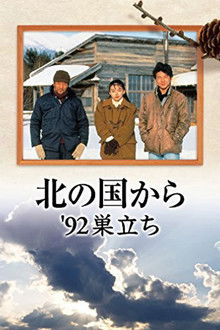
Kita no kuni kara '92 Sudachi Part 1
There is a man who divorced his wife. He moved to rural Hokkaido from Tokyo where he lived with his family without running water or electricity. He has his son and daughter in tow and works hard for them. The folk in the area try to help. A couple of years pass and the older son moves back to Tokyo, attends school and works part-time. The daughter commutes to the city to attend school. She wants to become a nurse. To become a registered nurse she needs to study a further three years. This takes money.

"BLOW THE NIGHT!" Let's Spend the Night Together
"BLOW THE NIGHT!" Let's Spend the Night Together is a 1983 Japanese docu-drama shot on 16mm film starring actual Yanki gang members as many of the main characters.

美しい共犯者・三重逆転
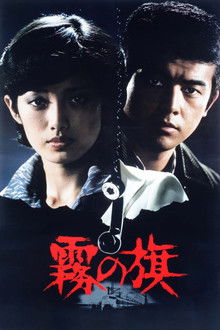
Sweet Revenge
Masao is falsely accused and jailed for the murder of a loanshark to whom he owed a lot of money. His sister Kiriko makes the long trip to Tokyo, specifically to accost Otsuka, Japan's top criminal defence lawyer, and plead with him to take her brother's case. They live in Kitakyushu which, though a city, she contends that the local lawyers are not up to the job. Otsuka contemptuously brushes her off. A year passes. Masao has suicided in jail, his appeal having failed due to the lack of interest and competence of the local defence lawyer. Kiriko returns to Tokyo, planning revenge on Otsuka for refusing the case and causing her brother's death.
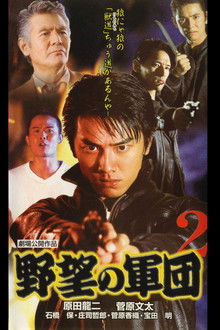
History of Japan’s Yakuza — Ambition Corps 2
Using his strong sense of justice, Uragami Ryuji gains influence at both the factory and school. Though a dispute with the Nio-kai yakuza is once settled, their renewed provocation leads Ryuji and his followers to quit the factory and confront the Nio-kai directly.

The World of Hans Christian Andersen
During his boyhood, young Hans Christian Andersen is exposed to the musical fairy-tale dream world by his Uncle Ole.

Japan Beauty Story: A Woman Among Women
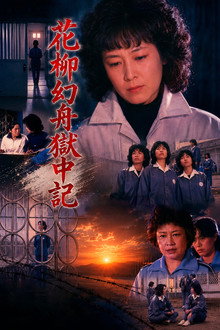
Genshu Hanayagi: Prison Diary
This drama attracted significant attention as an adaptation in which actress and dancer Genshu Hanayanagi recounts her real-life experiences in prison. On October 29, 1980, Hanayanagi (playing herself) began serving a prison sentence after being convicted of assaulting the head of a traditional dance school. Inside, she met women from diverse backgrounds, including a woman who allowed birds to devour her own child and a member of the Red Army Faction. Although initially met with a cold reception, Hanayanagi gradually became a central figure among them, thanks to her naturally cheerful personality.
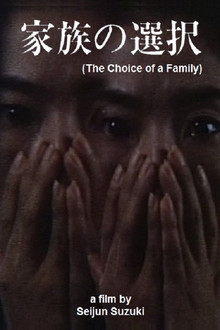
Kazoku no sentaku
A single mother is being investigated into the death of her ex-husband, which brings to the fore the obscure details of her past.