Personal Info
Known For
Gender
Birthday
Place of Birth
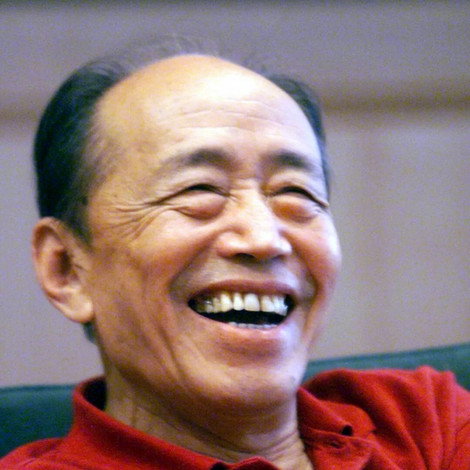
Zhu Xu
Biography
Known for
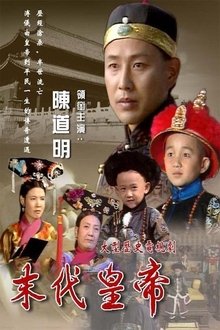
The Last Emperor
Aisin Gioro Puyi, the last emperor of Qing dynasty, as well as the last emperor of entire Chinese history. This TV series explore modern history and its main incidents in Puyi's perspective.

A Son of the Good Earth
This Japanese-Chinese production based on a novel by Toyoko Yamazaki tells the story of Lu Yixin, a Japanese orphan left behind in Manchuria after Japan's defeat in World War II. Torn between his love for his Chinese adoptive parents and his love-hate relationship with his Japanese biological father, he navigates the turbulent waters of the Cultural Revolution.
武生泰斗
似水年华
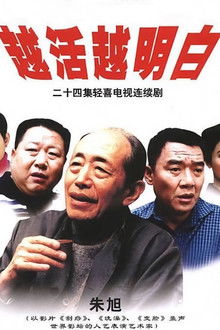
More You Live, More You Understand
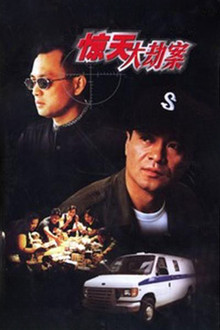
惊天大劫案
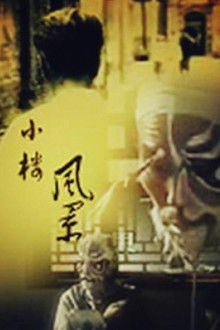
小楼风景
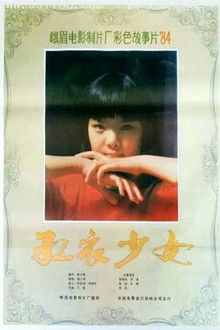
The Girl in Red
Sixteen-year-old An-ran gets into repeated trouble because she refuses blind obedience to authority, openly challenging and correcting a teacher who makes a mistake in class. She is different.
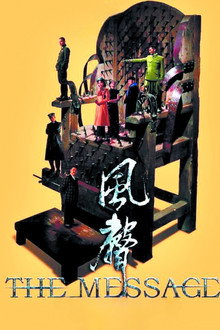
The Message
After a series of assassinations in Nanking, a Japanese spy master gathers a group of suspects in a mansion, then a tense cat-and-mouse game erupts as the Chinese agent tries to keep his or her identity a secret.
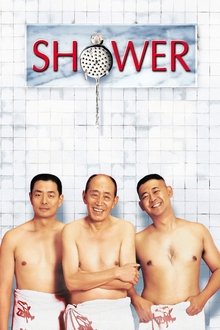
Shower
An aged father and his younger, mentally challenged son have been working hard every day to keep the bathhouse running for a motley group of regular customers. When his elder son, who left years ago to seek his fortune in the southern city of Shenzhen, abruptly returns one day, it once again puts under stress the long-broken father-son ties. Presented as a light-hearted comedy, Shower explores the value of family, friendship, and tradition.
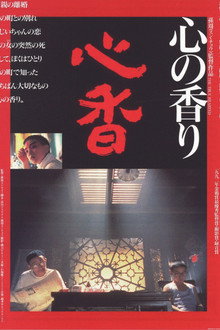
The True-Hearted
The film illustrates classical Beijing Opera in different generations and the boy’s process of growing-up.
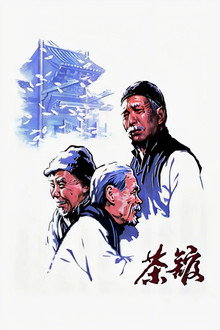
Teahouse
An old teahouse in Beijing serves as the stage for a drama that unfolds over several tumultuous decades of modern Chinese history, from the waning days of the Qing dynasty to the eve of the People's Republic.
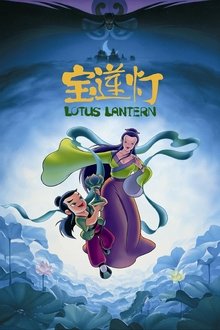
Lotus Lantern
A young boy named Chen Xiang uses a magical lotus lantern to search for and rescue his mother, a goddess, from the cruel punishment she received from her brother, the king of the gods, for falling in love with a mortal man.
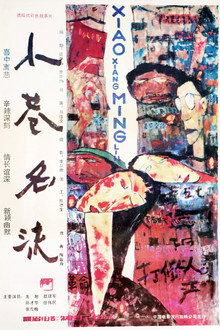
A Narrow Lane Celebrity
A brilliant, blackly comic script and the subtle comic genius of star Zhu Xu mark this as one of the best tragi-comedies of post-liberation Chinese cinema.
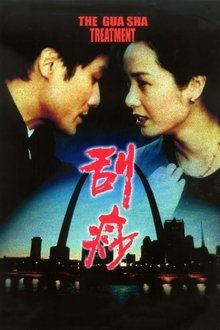
The Gua Sha Treatment
The painless bruise marks on a child from the traditional Chinese guasha/scraping treatment was mistaken by child protection services as evidence of abuse and neglect, stirring clashes and debates on cultral prejudice and false philanthropy.