Personal Info
Known For
Gender
Birthday
Place of Birth
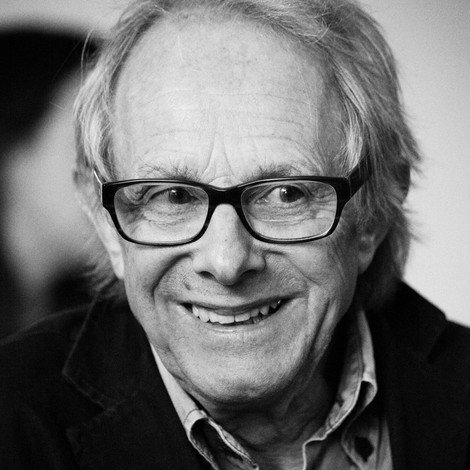
Ken Loach
Biography
Known for
The South Bank Show
The South Bank Show is a television arts magazine show produced by ITV between 1978 and 2010. A new series began on Sky Arts from 27 May 2012. Presented by Melvyn Bragg, the show aims to bring both high art and popular culture to a mass audience.

Question Time
This topical debate series based on Any Questions? typically features politicians from at least the three major political parties as well as other public figures who answer pre-selected questions put to them by a carefully selected audience.

Film '72
The BBC's flagship cinema review TV program featuring reviews of new releases, news items and interviews. The title of the program changes each year to incorporate the year of broadcast.
Faut Voir - L'Hebdo cinéma
Square
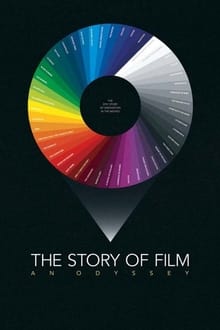
The Story of Film: An Odyssey
A worldwide guided tour of the greatest movies ever made and the story of international cinema through the history of cinematic innovation.
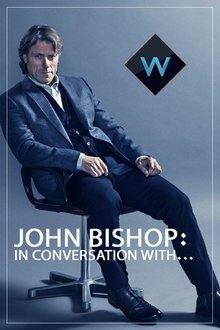
John Bishop: In Conversation with...
A three series talk show. With the host in conversation with people whom he admires.
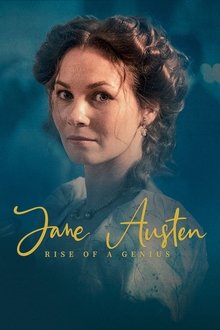
Jane Austen: Rise of a Genius
An immersive look at how a young woman from a small village in 18th-century England became one of the UK's best-loved novelists.

Cannes Uncut
Looks at the glamour, red carpets, movies, craziness, stunts, deals, parties and personalities that have been part of the Cannes Film Festival over eight decades, as well as looking to the future.
British Film Forever
Running for seven weeks from July 2007, each week focused on a different genre, examining British film by genre. Presented by Jessica Stevenson the series featured over 200 exclusive interviews with leading actors and directors including Sir Michael Caine, Sir Anthony Hopkins and Kate Winslet.
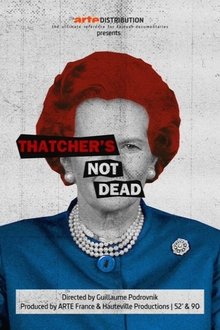
Thatcher's Not Dead
This film sketches a very personal and decidedly political portrait of the Iron Lady who left the greatest mark on the UK, alongside Queen Elizabeth II. Archives and interviews are enriched by songs from this period that really help to understand the social atmosphere of that time.
Television
Exhaustive 13-part survey of the television medium from its hesitant beginnings in the 1920s to the multi-million dollar extravaganzas of today and the cable and satellite technologies of the future [relative to 1985]. Tackling the medium as a worldwide phenomenon, the series examines each of the principal areas of programming - news, drama, documentaries, and light entertainment - and the unique impact of "live" coverage.
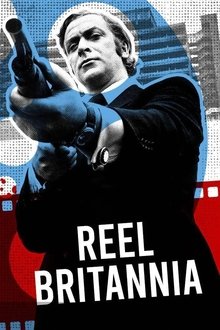
Reel Britannia
Comedian Nick Helm narrates this bold new documentary series exploring the dramatic history of British cinema. Discover how cinema held a mirror up to society from 1960 through to the 00s.
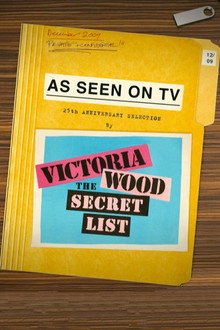
Victoria Wood: The Secret List
Back in 2009, Victoria wrote a list of her favourite moments from her seminal 80s series, intending to use it as a compilation show of self-selected best bits. The list remained locked away in her personal office until now. It features familiar favourites and often overlooked gems, but as these two programmes explore, the chosen sketches serve as a prediction of what was to come in an unparalleled career that crossed just about every genre of stage and screen.
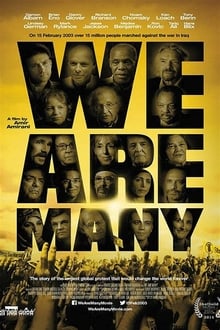
We Are Many
The story of the biggest demonstration in human history, which took place on 15th February 2003, against the impending war on Iraq.