
Personal Info
Known For
Gender
Birthday
Place of Birth
Ma Siu-Ying
Biography
Known for
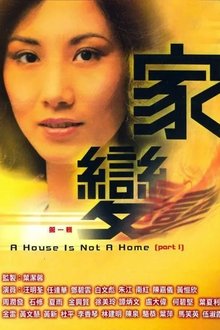
A House is Not a Home
A House Is Not a Home is a TVB television series, premiered on 1 August 1977. It is a very successful classic series boasting the likes of stars Liza Wang, Simon Yam, Ha Yu and also veteran actors like Bak Man-biu, Tang Pik-wan and Lee Heung-kam. The show became a 1970s drama classic, well-known also for its theme song, "A House Is Not a Home"; 家變, which was composed and arranged by Joseph Koo, with lyrics by the late Wong Jim and sung by Roman Tam.

The Fatal Irony
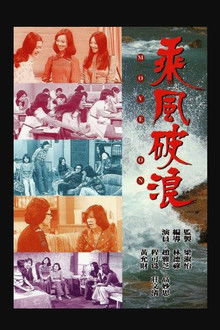
Move On

Water Margin
This play begins with Lin Chong being forced to go to Liangshan, and describes the encounters between Lin Chong and Lu Zhishen, then writes about Chao Gai leading Ruan's Sanxiong, Liu Tang and others to rob the birthdays, and then...

This Generation
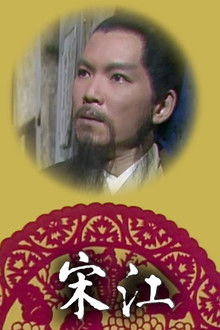
Murder of Passion
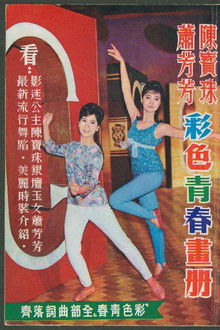
Colorful Youth
In 1966, Connie Chan Po-chu and Josephine Siao Fong-fong starred in multiple contemporary films, cementing their onscreen persona as virtuous young women while becoming the hottest youth idols of their time. Colourful Youth remains the only contemporary film to feature both of them. Filmed in Eastmancolor, the song-and-dance spectacle keeps its fingers on the pulse of its era and presents the vigour of the modern times.

Games Gamblers Play
Michael Hui stars as Wen, a convict who's always out to make a quick dollar through gambling. Being behind bars doesn't stop him from making something off of his gambling skills. Samuel Hui co-stars as Chieh,a novice gambler who gets into trouble one day when he tries to steal casino chips from a crooked card dealer Dean Shek). Whilst in jail, Chieh meets Wen and the latter agrees to become his mentor. Can Wen and Chieh make a fortune from their combined skills or will the duo wind up back in prison?

The Black Killer
A 1967 Cantonese language action film directed by Cheung Wai-Gwong, starring Connie Chan, Adam Cheng and Liu Chia-Liang. Ming-Wai & Ming-Sing, a brother and sister (dual roles played by Connie Chan) who must go undercover in a gang to rescue their uncle.

Summer Heat
A gripping drama about a seductive woman with three men in her life: a rich husband ; a sexy playboy, and a sensitive intellectual. That two of her lovers are brothers further complicates the story.

傻仔洞房
代代平安
Silk Factory Girl
The film commences with Ching (Tang Bik-wan) lamenting over her bleak life through singing: her mother died early and her stepmother (Lam Mui-mui) is wicked. The song precedes her appearance in the house while the cinematography helps to tug at the emotional heartstrings. Because of her debt-ridden father, Ching is forced by the stepmother to marry an old invalid. To prevent the marriage, Ching's lover Ho (Chan Kam-tong) raises money by agreeing to marry his own cousin (Fung Wong Nui). Ching's life is doomed, yet, when the stepmother absconds with the money. With all her hopes dashed to the ground, Ching decides to opt out of marriage for life. However, witnessing her 'self-combed' sworn sisters being bullied even to the point of committing suicide further devastates her. This tragic heroine comes to life through Tang's masterful performance both as a singer and an actor. The climatic and tear-jerking scene of Ching dying is definitely a highlight of the film.