Personal Info
Known For
Gender
Birthday
Place of Birth
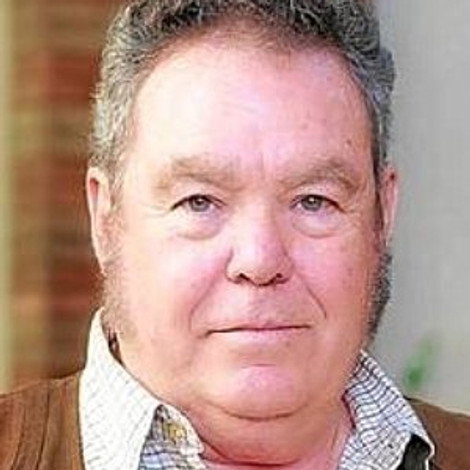
Pepo Oliva
Known for

Cuéntame cómo pasó
Recounts the experiences of a middle-class family, the Alcántaras, during the last years of the rule of Francisco Franco and the beginning of the Spanish Transition to democracy.

The Countryside
A group of urbanites flee the city for different reasons: existential, economic crisis, need for fresh air, search for peace, inspiration to compose ... The intention of these strangers is to settle in an abandoned town and start their lives from scratch, but when they arrive they discover that there are still some neighbors: rural people with a very different way of seeing life.

La unidad
A secret unit of cops is assembled to stop a terrorist band from attacking Spain after their leader is arrested there.

Cathedral of the Sea
In the 14th century, Barcelona is experiencing one of its most prosperous moments. The city has grown to La Ribera, a fishing district in which the largest Marian temple ever known is built: Santa María del Mar. But the construction runs parallel to Arnau Estanyol, a serf of the land who, fleeing the abuses of The feudal lords of the countryside take refuge in Barcelona.

Compañeros

La Señora
In the 1920s Victoria and Ángel fall in love in a small town, northern Spain. They are two people both from a different social class, she is the daughter of a wealthy businessman and he comes from a poor family. They are so in love but social norms and circumstances of the era force them to break up. Several years later, they meet again, Victoria as a powerful businesswoman and Ángel as a priest.

Vidas pequeñas

Impávido
Ray, a man without family addicted to the game, dedicated to steal cars and for love will end up in jail.

Broken Silence
Winter, 1944. Lucía at 21 returns to her small village in the mountains. She again meets Manuel, a young iron-smith who helps "those in the mountain", the "maquis", the anti-Franco resistance. Lucía is attracted to Manual, because of his smile and the bravery of those men who continue fighting for their ideas, even at the cost of their own lives. When Manuel is pursued (by Franco's Civil Guard) he flees to the mountain and Lucía discovers the reality of political repression, the silence, the horror and fear.

Soccer Days
A comedic romp that celebrates the power of friendship to turn your life around, Dias de Futbol introduces us to Antonio, an ex-convict and amateur shrink who convinces his pals that the best way to overcome their midlife crises and lack of success with women is to reassemble their old soccer team and win something in life, even if only a local championship. Directed by David Serrano. Starring Alberto San Juan, Natalia Verbeke (Dot the I, Son of the Bride), Pere Ponce, and Fernando Tejero.

Soy el solitario
The true story of bank robber Jaime Giménez Arbe, also known as "El Solitario.”

Código fuego

Jealousy
A month before he's to marry Carmen, Antonio finds a photograph of a man with his arm on her shoulder. The photograph triggers jealousy: he questions Carmen, Carman's friend Cinta, and his friend Luis who introduced him to Carmen. Cinta tells Antonio the man's first name. Carmen tells him that the man meant nothing to her, and that the photograph was taken before she met Antonio. She loves Antonio and sets out to wipe the photograph from his mind through exuberant sex, but her ploy backfires and Antonio remains fixated. Slowly he finds out about the man, and about Carmen's past. Will jealousy consume this couple or can they find a way to kill the green-eyed monster?

Lorca
